
Key Takeaways
- Millennials delay homeownership due to costs and debt, while Gen Z plans early and uses digital tools.
- Rising mortgage rates and low inventory are challenging affordability, prompting buyers to adapt their strategies.
- Younger buyers are shifting to the suburbs for space, amenities, and greater remote-work flexibility.
- Technology and data-driven insights are essential for a smooth, informed buying process.
Introduction
The landscape of homeownership is evolving as younger generations, particularly Millennials and Generation Z, enter the housing market. Understanding their preferences and challenges is crucial for real estate professionals aiming to meet the needs of these emerging buyers. For those seeking expert guidance in this dynamic market, Orlando, FL real estate agents Corcoran Premier Realty offer unparalleled expertise. As a locally owned boutique firm affiliated with the global Corcoran network, they specialize in the most desirable communities and provide client-centric service and innovative marketing strategies. Their deep understanding of Central Florida’s real estate landscape makes them a valuable resource for new homebuyers.
Delayed Homeownership Among Millennials
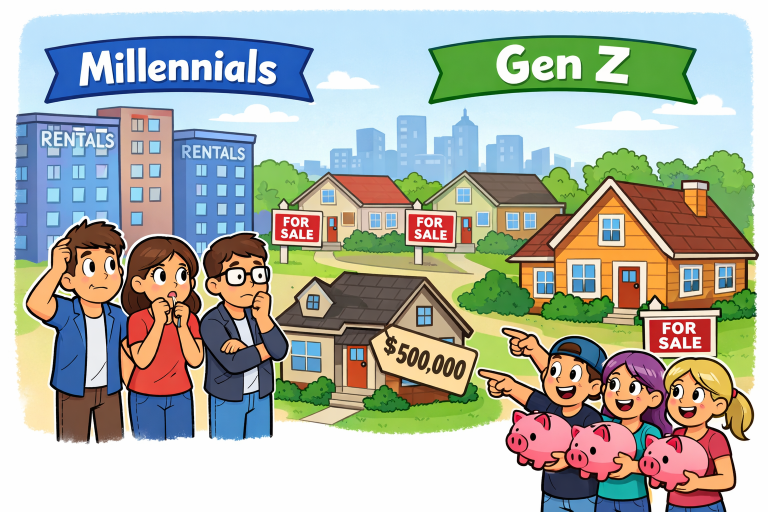
Millennials are entering the housing market later than previous generations. The average age of first-time homebuyers has reached 40, the highest on record. Factors such as high housing costs and fluctuating interest rates contribute to this delay. Many Millennials are opting for high-end rentals, postponing homeownership in hopes of more favorable market conditions.
Another contributing factor is student loan debt. Today’s Millennials, burdened with educational expenses unprecedented in prior generations, find it harder to save for down payments or qualify for mortgages. The need to balance debt repayment with saving for a home often extends the timeline before they can purchase a home. Additionally, the gig economy and nontraditional employment arrangements may make steady income harder to demonstrate, complicating the mortgage application process. These factors combined have shifted many Millennials’ focus from immediate ownership to careful financial planning and renting as a transitional step.
Generation Z’s Approach to Homeownership
In contrast, Generation Z exhibits a proactive stance toward homeownership. A significant portion of Gen Z adults plans to purchase a home within the next five years, and many are already saving for this goal. Their financial prudence and early planning indicate a strong desire for stability and investment in real estate.
This younger cohort is highly attuned to personal finance, thanks in part to growing up during the aftermath of the 2008 economic downturn and witnessing the more recent pandemic-driven housing shifts. Gen Z buyers are leveraging digital resources such as online budgeting tools, home search platforms, and social media to educate themselves. Many are prioritizing homeownership as a key financial milestone, even before starting families. Some Gen Zers are also exploring creative alternatives, such as co-buying homes with friends or family, or purchasing smaller starter homes with the intention to “move up” as financial stability grows.
Financial Challenges and Market Conditions
Both Millennials and Gen Z face financial hurdles in the current housing market. Rising mortgage rates, which have recently increased from about 5.99% to 6.38%, have led to buyer hesitation and a tightening of affordability. This environment has led to a notable number of pending home sales being canceled, reflecting the financial strain on potential buyers.
Affordability is further challenged by a limited housing supply. While low inventory was once confined to major urban centers, it now affects suburban and even rural areas, leading to bidding wars. First-time buyers may struggle not only with prices but also with being outbid by investors or cash buyers. Some are turning to government programs that assist with down payments or offer lower interest rates for qualified participants, but even these measures cannot always make up for market imbalances. As a result, many young buyers remain vigilant, monitoring fluctuating rates and adapting their strategies, such as expanding their home search radius or considering fixer-uppers to increase affordability.
Suburban Shift and Housing Preferences
Despite the challenges, there is a noticeable shift toward suburban living among younger buyers. Millennials, in particular, are moving away from urban centers toward suburbs that offer more affordable housing and amenities suitable for growing families. This trend underscores the importance of understanding the evolving preferences of new homebuyers.
Lifestyle preferences are a major influence here. Suburbs increasingly offer walkable communities, better schools, abundant green spaces, and larger homes, all of which appeal to young families and those seeking a higher quality of life. The rise of remote work, accelerated by the COVID-19 pandemic, also plays a key role. Many professionals now prioritize home offices, flexible living arrangements, and proximity to parks or recreation rather than short commutes to city centers. As such, homes in smaller towns and suburban areas are experiencing increased demand, often revitalizing local economies and creating new opportunities for developers and real estate agents.
Leveraging Technology in the Buying Process
One of the most striking trends is the reliance on digital tools throughout the home-buying journey. Younger generations value convenience, transparency, and speed, making technology essential to their experience. From virtual tours and online mortgage pre-approvals to digital document signing, technology is streamlining every step of the process. Social media platforms and review websites also heavily influence which agents and firms buyers ultimately choose to work with.
Additionally, real estate agents have increased their use of data analytics to offer personalized recommendations and market insights, helping buyers make informed decisions. Companies investing in immersive virtual reality (VR) tours, neighborhood video walkthroughs, and AI-powered property recommendations are resonating with this new generation.
Final Thoughts
As Millennials and Generation Z continue to shape the housing market, real estate professionals must adapt to their unique preferences and financial realities. By staying informed about these generational trends, agents can better serve their clients and navigate the evolving landscape of homeownership.
Ultimately, the combined influence of delayed homeownership, financial innovation, digital literacy, and shifting lifestyle priorities is guiding the real estate industry toward a more responsive and client-focused future. Meeting these new expectations and using smart technology can help both buyers and sellers succeed in an increasingly complex market.




Leave a Reply