

At 2:13 a.m., the neighborhood wasn’t awake because of traffic, fireworks, or a storm—it was one dog barking at shadows. That nightly struggle is one reason why the vibration bark collar has become the preferred choice for many modern pet owners. Instead of relying on electric stimulation, these collars use gentle vibration feedback to interrupt excessive barking, helping dogs learn quieter behavior without discomfort. As awareness of humane training methods grows, more owners are choosing a safe dog collar that supports behavior correction while prioritizing their pet’s well-being.
Excessive barking can create tension between owners, neighbors, and even family members. Dogs may bark due to boredom, anxiety, territorial instincts, attention-seeking, or environmental triggers. When barking becomes constant, many owners search for solutions that work without causing stress or fear. Traditional correction methods have sparked debate among veterinarians, trainers, and animal welfare advocates, leading many people to explore no-shock alternatives.
A no-shock bark collar offers a balanced approach. It interrupts unwanted barking through vibration, sound, or progressive feedback rather than electrical stimulation. The result is often a calmer training experience and better long-term behavior outcomes. In this guide, you’ll learn why dog owners are making the switch, how vibration collars work, what benefits they offer, and how to choose the right option for your dog.
What Is a No-Shock Bark Collar and Why Are Dog Owners Choosing It?
Direct answer: A no-shock bark collar is a training device that discourages excessive barking using vibration, sound, or other gentle corrections instead of electric stimulation.
Unlike traditional shock collars, no-shock models focus on interrupting barking behavior without causing pain. Most modern versions detect vocal cord vibrations or bark frequency and respond with a mild vibration that captures the dog’s attention.
The growing popularity of these collars reflects a larger shift toward positive reinforcement and humane training. Many owners want effective behavior management tools that align with modern animal welfare standards.
Dogs experiencing outdoor activity, exercise, and temperature management often respond better when their overall comfort needs are met. Understanding how proper gear supports canine wellness can be seen in this guide on reducing heat stress with breathable dog vests, which highlights the importance of comfort-focused pet products.
- No electrical stimulation
- Suitable for many breeds and sizes
- Encourages humane behavior correction
- Easy for beginners to use
- Often approved by force-free trainers
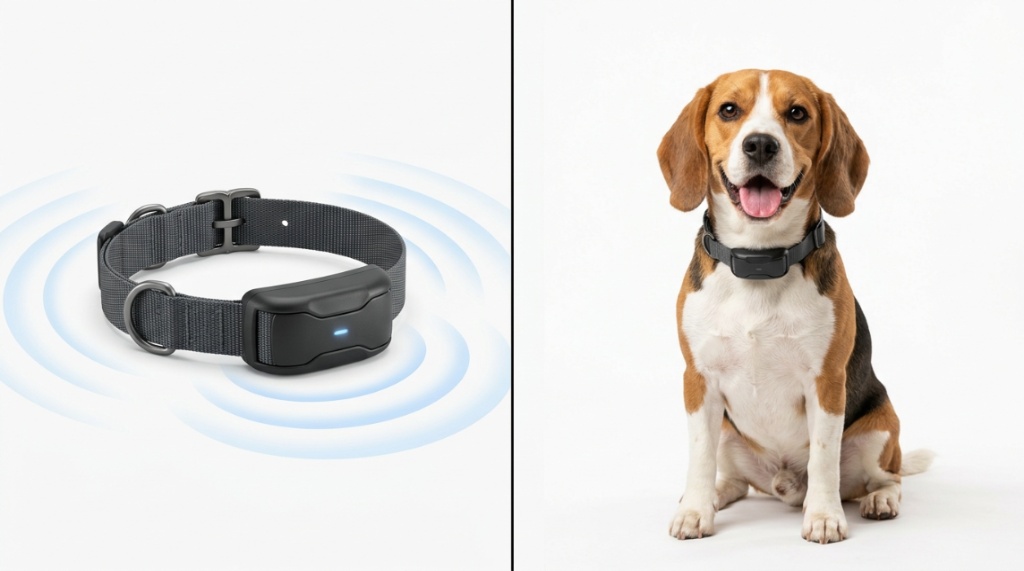
How Does a Vibration Bark Collar Actually Work?
Direct answer: A vibration bark collar detects barking and delivers a brief vibration that interrupts the behavior, helping dogs associate barking with a non-painful correction.
Modern bark collars use advanced sensors to distinguish barking from other sounds. Depending on the model, detection may rely on:
- Vocal cord vibration sensors
- Sound recognition technology
- Dual-detection systems
- Motion-assisted bark identification
When barking occurs, the collar activates a gentle vibration. Most dogs naturally pause to investigate the sensation. Over time, repeated interruptions help reduce unnecessary barking.
Many devices also feature progressive correction levels. If barking continues, vibration intensity gradually increases within safe limits. Once the dog stops barking, stimulation ends immediately.
This creates a clear behavioral connection:
- Bark excessively
- Receive vibration feedback
- Pause barking
- Feedback stops
This consistency makes learning easier while avoiding fear-based responses.
Why Are Pet Experts Recommending Safe Dog Collars More Often?
Direct answer: Many trainers and pet professionals recommend safe dog collars because they prioritize humane correction while still helping manage unwanted barking.
The pet industry has increasingly embraced reward-based and low-stress training methods. Research in animal behavior suggests that positive reinforcement and gentle interruption techniques often create stronger trust between dogs and owners.
Animal welfare organizations frequently encourage owners to first address the root cause of barking rather than relying solely on punishment-based tools.
Common causes include:
- Separation anxiety
- Lack of exercise
- Boredom
- Territorial behavior
- Fear and stress
- Attention-seeking habits
Because vibration collars interrupt behavior without introducing painful stimulation, they are often viewed as a safer training aid when used correctly.
Veterinary behaviorists frequently emphasize combining bark-control devices with:
- Exercise routines
- Mental enrichment
- Consistent training
- Positive reinforcement
- Environmental management
Are No-Shock Bark Collars as Effective as Shock Collars?
Direct answer: For many dogs, no-shock bark collars can be highly effective, particularly when excessive barking stems from habits, excitement, or attention-seeking behavior.
Effectiveness depends largely on the dog’s personality, motivation, and training consistency.
| Feature | No-Shock Bark Collar | Shock Collar |
|---|---|---|
| Correction Method | Vibration or sound | Electrical stimulation |
| Comfort Level | High | Varies by sensitivity |
| Risk of Fear Response | Low | Higher |
| Suitable for Sensitive Dogs | Often yes | Not always |
| Public Acceptance | Growing rapidly | More controversial |
| Training Philosophy | Humane interruption | Aversive correction |
Many owners report noticeable reductions in nuisance barking within several days to a few weeks when combined with structured training.
If you’re comparing different humane bark-control solutions, this comprehensive guide to choosing the right anti-bark collar for your dog can help evaluate features, comfort, and effectiveness.

Which Dogs Benefit Most From a Vibration Bark Collar?
Direct answer: Dogs that bark due to excitement, habit, boredom, or attention-seeking behavior often respond especially well to vibration-based correction.
Not every dog barks for the same reason. Understanding the motivation behind barking helps determine whether a collar is appropriate.
Dogs Commonly Suited for Vibration Training
- Small companion breeds
- Territorial watchdog breeds
- Young adult dogs
- Dogs with attention-seeking habits
- Dogs barking at passersby
Dogs Requiring Additional Behavioral Support
- Dogs with severe separation anxiety
- Fear-reactive dogs
- Dogs experiencing chronic stress
- Dogs with underlying medical conditions
For these situations, consultation with a veterinarian or certified dog trainer is recommended before introducing any bark-control device.
What Features Should You Look for in a Safe Dog Collar?
Direct answer: The best safe dog collar combines accurate bark detection, adjustable settings, comfort, durability, and breed-specific compatibility.
Shopping for a bark collar can be overwhelming because dozens of products appear similar at first glance.
Important features include:
- Adjustable vibration levels
- Water-resistant construction
- Rechargeable battery
- Dual bark-detection technology
- Automatic safety shutoff
- Lightweight design
- Comfortable strap material
Just as selecting the right sleeping environment improves overall canine health, choosing the proper fit and materials matters when evaluating pet equipment. These considerations are similar to factors discussed when choosing a quality dog bed that supports comfort and long-term well-being.
Proper sizing is critical. A collar that is too loose may fail to detect barking correctly, while one that is too tight can create unnecessary discomfort.
Can a No-Shock Bark Collar Improve Long-Term Behavior?
Direct answer: Yes, when combined with training and consistency, a no-shock bark collar can help establish quieter behavioral habits over time.
The collar itself does not “train” a dog. Instead, it acts as a communication tool that helps interrupt unwanted behavior.
Long-term success depends on reinforcing desired behaviors.
For example:
- Dog remains calm when visitors arrive
- Owner rewards calm behavior
- Excessive barking decreases
- Desired response becomes habitual
Combining vibration feedback with rewards creates a stronger learning process than relying on correction alone.
Professional trainers often recommend:
- Daily exercise sessions
- Interactive toys
- Puzzle feeders
- Structured obedience practice
- Socialization opportunities
These activities reduce boredom and help eliminate common barking triggers.
Are There Any Safety Concerns With Vibration Bark Collars?
Direct answer: High-quality vibration collars are generally safe when fitted correctly and used according to manufacturer guidelines.
Most safety concerns involve misuse rather than the collar itself.
Best practices include:
- Follow sizing instructions carefully
- Check skin regularly
- Remove collar during extended indoor downtime
- Keep batteries properly charged
- Monitor initial training sessions
Owners should also remember that barking can signal pain, illness, or distress. Sudden changes in barking patterns warrant veterinary evaluation before introducing training devices.
When used responsibly, modern vibration collars offer a practical balance between effectiveness and canine welfare.
Why Is the Demand for Humane Bark Control Growing So Quickly?
Direct answer: Growing awareness of animal welfare, improved technology, and changing training philosophies have accelerated demand for humane bark-control solutions.
Pet owners today have access to more information than ever before. Online communities, trainers, veterinarians, and animal behavior experts increasingly emphasize force-free methods.
At the same time, bark collar technology has improved dramatically.
Modern devices offer:
- Smarter bark detection
- Reduced false activations
- Customizable settings
- Improved battery performance
- Enhanced comfort designs
As a result, dog owners no longer need to choose between ineffective solutions and harsh correction methods. No-shock options provide a middle ground that aligns with contemporary pet-care standards.
Conclusion: Is a No-Shock Bark Collar the Right Choice for Your Dog?
Direct answer: For many households, a vibration bark collar provides an effective, humane, and practical solution for reducing excessive barking while maintaining a positive relationship with the dog.
More dog owners are switching to no-shock bark collars because they offer gentle behavior interruption without relying on painful stimulation. Modern designs feature advanced bark detection, adjustable settings, improved comfort, and safety-focused technology. When combined with exercise, enrichment, and positive reinforcement, these collars can help build lasting behavioral improvements.
Creating a comfortable lifestyle for your dog involves more than training tools alone. Factors such as proper rest, exercise, and supportive pet products all contribute to better behavior and well-being, making informed pet-care decisions increasingly important for responsible owners.
If excessive barking has become a challenge in your home, consider evaluating whether a high-quality vibration collar fits your dog’s temperament and training needs. The right approach can create a quieter environment while supporting your pet’s comfort, confidence, and long-term happiness.
Frequently Asked Questions About No-Shock Bark Collars
Do vibration bark collars hurt dogs?
No. Quality vibration bark collars provide gentle sensory feedback rather than painful electrical stimulation. Most dogs simply notice the vibration and pause their barking behavior.
How long does it take for a vibration bark collar to work?
Many owners observe improvement within a few days, although lasting behavioral change often requires one to four weeks of consistent use and reinforcement training.
Can small dogs wear vibration bark collars?
Yes. Many manufacturers produce lightweight models specifically designed for small breeds. Always verify weight and neck-size recommendations before purchasing.
Will a bark collar stop all barking?
No. Barking is a natural communication behavior. The goal is to reduce excessive or unnecessary barking while allowing normal communication and alert behavior.
Are no-shock bark collars recommended by trainers?
Many modern trainers prefer vibration-based collars over shock collars because they align better with humane training principles and lower-stress behavior modification methods.
Can dogs become accustomed to vibration corrections?
Some dogs may adapt over time. Choosing adjustable vibration levels and combining the collar with positive reinforcement helps maintain effectiveness.
Should I use a bark collar for separation anxiety?
Not as a standalone solution. Separation anxiety is a behavioral condition that often requires training plans, environmental changes, and professional guidance to address successfully.




Leave a Reply