
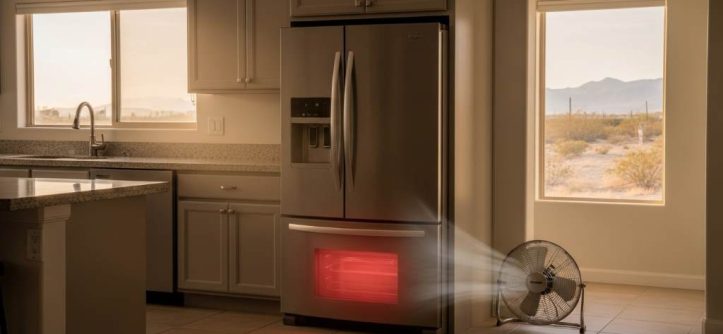
Las Vegas homeowners depend heavily on refrigeration systems throughout the year. However, extreme desert temperatures often place significant stress on refrigerators and freezers. According to climate data, Las Vegas regularly experiences summer temperatures above 100°F, while many homes run cooling appliances nonstop for months. As a result, issues like refrigerator compressor overheating and shutting off become increasingly common. Understanding why refrigeration units overheat quickly in Las Vegas, NV homes can help homeowners prevent costly repairs, reduce energy bills, and extend appliance lifespan.
The Intense Las Vegas Climate Creates Constant Stress
Las Vegas has one of the hottest residential climates in the United States. Summer temperatures often remain high well into the evening hours. Consequently, refrigeration systems work harder to maintain safe internal temperatures. This constant operation increases heat buildup around critical components.
Unlike cooler regions, refrigerators in Las Vegas rarely receive a break during peak summer months. Outdoor heat seeps into garages, kitchens, and utility rooms throughout the day. Therefore, compressors must cycle more frequently to compensate. Over time, excessive workload raises internal operating temperatures.
Many homeowners underestimate how much ambient heat affects appliance performance. Refrigeration units release heat as part of the cooling process. When surrounding temperatures stay elevated, heat disperses less efficiently. As a result, overheating becomes much more likely.
Poor Airflow Around Refrigeration Units
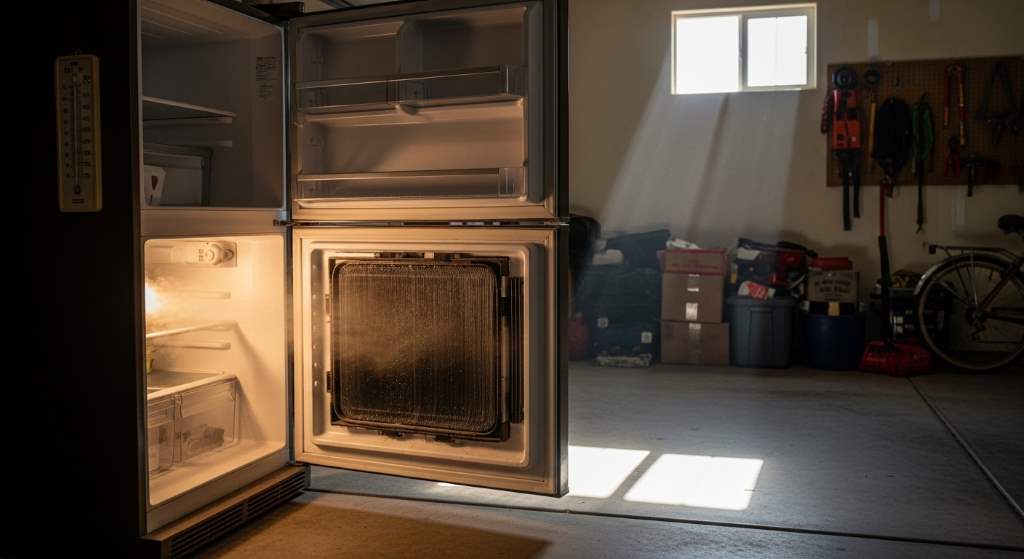
Proper airflow plays a critical role in refrigeration efficiency. Refrigerators require adequate space around condenser coils and ventilation openings. However, many homeowners place units too close to walls or cabinets. This restriction traps heat and reduces cooling performance.
Small kitchens often create airflow challenges. Appliances positioned between cabinets experience limited ventilation. Consequently, warm air remains trapped around the unit. The compressor then operates under additional strain.
Garage refrigerators face even greater airflow concerns. Many garages store boxes, tools, and equipment near appliances. These items block ventilation pathways and prevent heat dissipation. Therefore, temperatures around the unit rise rapidly during hot weather.
Dust and Dirt on Condenser Coils
Condenser coils release heat generated during refrigeration cycles. When dust accumulates on these coils, heat transfer efficiency drops significantly. As a result, compressors work harder to maintain cooling temperatures. This added workload often contributes to overheating.
Las Vegas experiences frequent dust storms and dry conditions. Fine particles easily enter homes and settle on appliance components. Consequently, condenser coils become dirty faster than in many other regions. Regular maintenance becomes especially important.
Homeowners should inspect condenser coils several times each year. Cleaning dust buildup improves airflow and cooling efficiency. Furthermore, routine coil maintenance can reduce energy consumption. Many overheating problems stem directly from neglected coil cleaning.
Garage Refrigerator Placement Challenges
Many Las Vegas residents install secondary refrigerators in garages. While this setup provides additional storage, it also creates overheating risks. Garage temperatures often exceed outdoor temperatures during summer afternoons. Therefore, refrigeration units operate under extreme conditions.
A garage refrigerator may face temperatures well above 110°F. Under these conditions, compressors run almost continuously. Consequently, internal components experience accelerated wear. Frequent overheating becomes much more likely.
Whenever possible, homeowners should position refrigerators in climate-controlled spaces. If garage placement remains necessary, adding insulation or improving ventilation can help. These adjustments reduce heat exposure and improve long-term performance.
Overloaded Refrigerators Increase Heat Production
Many families stock refrigerators heavily during busy weeks. Although storing food efficiently makes sense, overcrowding can create airflow restrictions. Internal cooling systems rely on consistent air circulation. Therefore, excessive contents may hinder proper temperature regulation.
Blocked air vents force cooling components to work harder. Consequently, the compressor remains active for longer periods. This increased runtime generates additional heat. Eventually, overheating issues may develop.
At the same time, completely empty refrigerators can also struggle with efficiency. Maintaining a balanced load often delivers optimal performance. Proper organization helps cold air circulate evenly throughout the appliance.
Door Seal Problems and Warm Air Intrusion
Door gaskets create an airtight barrier that keeps cold air inside. Over time, seals may crack, warp, or lose flexibility. Consequently, warm air enters the refrigerator more easily. The cooling system then works harder to maintain target temperatures.
Las Vegas heat magnifies the impact of worn door seals. Hot outside air continuously enters through small openings. Therefore, compressor cycles become longer and more frequent. Increased operation contributes directly to overheating risks.
Homeowners should inspect door seals regularly for visible damage. Replacing worn gaskets often provides a quick and affordable solution. Furthermore, improved sealing reduces energy waste and cooling strain.
The Hidden Impact of Solar Heat Gain
One often overlooked cause of overheating involves solar heat gain inside the home. Refrigerators positioned near windows absorb additional heat from sunlight. Consequently, appliance surfaces and surrounding air temperatures rise significantly. This factor often escapes homeowner attention.
Las Vegas receives abundant sunshine throughout the year. Direct sunlight can increase appliance operating temperatures even inside air-conditioned spaces. Therefore, refrigerator placement matters more than many people realize. Moving a unit away from sun-exposed areas can improve performance.
Window treatments also help reduce solar heat gain. Blinds, shades, and reflective films limit heat transfer indoors. As a result, refrigeration units experience less thermal stress. This simple adjustment can support longer appliance life.
An Uncommon but Real Cause: Heat Reflection from Modern Flooring
A rarely discussed issue involves heat reflection from certain flooring materials. Many Las Vegas homes feature tile, stone, or polished concrete flooring. These surfaces absorb and radiate heat throughout the day. Consequently, appliances positioned nearby may encounter elevated temperatures.
Heat reflected from flooring can accumulate beneath refrigeration units. Although the increase may seem minor, constant exposure matters over time. Therefore, compressors may operate under slightly higher thermal loads. This subtle factor often combines with other overheating causes.
Homeowners rarely consider flooring when troubleshooting appliance issues. However, infrared temperature readings sometimes reveal significant heat concentration near floor level. Addressing multiple small heat sources can collectively improve refrigeration performance.
Frequent Door Openings During Hot Weather
Family gatherings, summer parties, and school vacations often increase refrigerator use. Every door opening allows warm air to enter the appliance. Consequently, the cooling system must remove that heat repeatedly. Higher usage naturally increases operating stress.
Children frequently opening doors while deciding what to eat adds additional strain. Likewise, prolonged door openings during meal preparation contribute to temperature fluctuations. Therefore, compressors cycle more frequently. Over time, this pattern can accelerate wear.
Simple habits can reduce unnecessary heat gain. Encouraging quick access and minimizing door-open time helps maintain stable temperatures. Furthermore, efficient use supports lower energy costs.
Food Storage Practices That Affect Cooling Efficiency
Food organization influences refrigeration performance more than many homeowners realize. For example, understanding how long does raw chicken last in the fridge encourages better food rotation and storage habits. Organized shelves improve airflow and reduce unnecessary door openings. Consequently, the appliance operates more efficiently.
Similarly, households seeking efficient meal planning often use recipe generator tools to help reduce excess food accumulation. Better inventory management prevents overcrowding inside the refrigerator. Therefore, cooling systems maintain consistent performance. This habit indirectly helps reduce overheating risks.
Aging Components and Mechanical Wear
Every refrigeration system experiences wear as it ages. Compressors, condenser fans, and electrical components gradually lose efficiency. Consequently, older appliances generate more heat during operation. Age-related issues frequently contribute to overheating.
Las Vegas conditions accelerate this process due to prolonged high-temperature exposure. Components endure more stress compared to cooler climates. Therefore, appliance lifespan may shorten without proper maintenance. Regular inspections help identify developing problems early.
If repairs become frequent, replacement may provide better long-term value. Newer models often feature improved energy efficiency and advanced cooling technology. These upgrades help manage heat more effectively.
Practical Steps to Prevent Refrigeration Overheating
Homeowners can take several proactive measures to reduce overheating risks. Consistent maintenance remains one of the most effective strategies. Furthermore, small adjustments often produce noticeable improvements in performance.
- Clean condenser coils every three to six months.
- Maintain proper clearance around the appliance.
- Inspect and replace damaged door seals.
- Avoid placing refrigerators near direct sunlight.
- Keep garage units properly ventilated.
- Organize contents to support airflow.
- Monitor unusual noises or temperature changes.
In addition, homeowners who enjoy preparing dishes such as a tasty baked talaba recipe should avoid leaving refrigerator doors open while gathering ingredients. Small habits can significantly reduce thermal stress. Consequently, appliances operate more efficiently throughout the year.
When Professional Service Is Necessary
Some overheating problems require expert diagnosis. Persistent temperature fluctuations, frequent shutdowns, and unusual noises often indicate deeper mechanical issues. Therefore, delaying repairs may increase long-term costs. Professional technicians can identify hidden component failures.
Electrical faults, failing condenser fans, and refrigerant issues often require specialized tools. Attempting complex repairs without training may create additional damage. Consequently, professional service remains the safest option. Early intervention frequently prevents complete system failure.
Conclusion
Understanding why refrigeration units overheat quickly in Las Vegas, NV homes starts with recognizing the impact of extreme heat, poor airflow, dust accumulation, and mechanical wear. Local climate conditions place unique demands on refrigeration systems throughout the year. Fortunately, regular maintenance and smart placement decisions can dramatically reduce overheating risks. By addressing both common and overlooked causes, homeowners can improve efficiency, lower energy costs, and extend appliance lifespan. If your refrigerator shows signs of overheating, schedule a professional inspection before a minor issue becomes a major repair.
FAQs
Why do refrigerators overheat more often in Las Vegas?
Extreme desert temperatures force refrigeration systems to work harder and longer.
How often should condenser coils be cleaned?
Most Las Vegas homeowners should clean condenser coils every three to six months.
Can a refrigerator stay in a garage during summer?
Yes, but adequate ventilation and heat management are essential for safe operation.
Do dirty door seals contribute to overheating?
Yes, damaged seals allow warm air inside and increase compressor workload.
When should I call a professional technician?
Contact a technician if overheating persists, temperatures fluctuate, or unusual noises occur.



Leave a Reply