
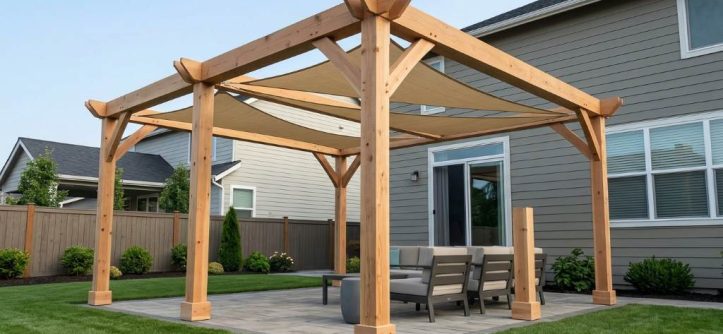
Phoenix homeowners rely on shade structures to make outdoor spaces comfortable during long, hot seasons. However, many installations fail much sooner than expected. According to climate data, Phoenix often records more than 300 sunny days yearly, while summer temperatures regularly exceed 100°F. As a result, shade systems face constant environmental stress. Many property owners also choose DIY metal canopy installation projects to save money. Although that approach can work, design mistakes often lead to costly repairs and premature failure.
The Extreme Climate Challenge in Phoenix
Phoenix presents conditions that many outdoor structures cannot handle for long periods. Intense sunlight constantly attacks building materials throughout the year. In addition, heat expansion occurs daily as temperatures rise. Consequently, weak connections gradually loosen and weaken. Over time, structural performance decreases significantly.
Many homeowners focus only on summer heat when planning backyard improvements. However, temperature swings create additional hidden stress. Materials expand during the day and contract overnight. Therefore, fasteners, bolts, and joints experience continuous movement. Eventually, fatigue damage begins to appear.
Strong seasonal winds also contribute to structure failure across Phoenix neighborhoods. Dust storms often arrive with little warning during monsoon season. As a result, poorly secured shade systems become vulnerable. Even minor design flaws can create serious problems. Consequently, repairs become necessary much sooner.
Poor Material Selection Causes Early Failure
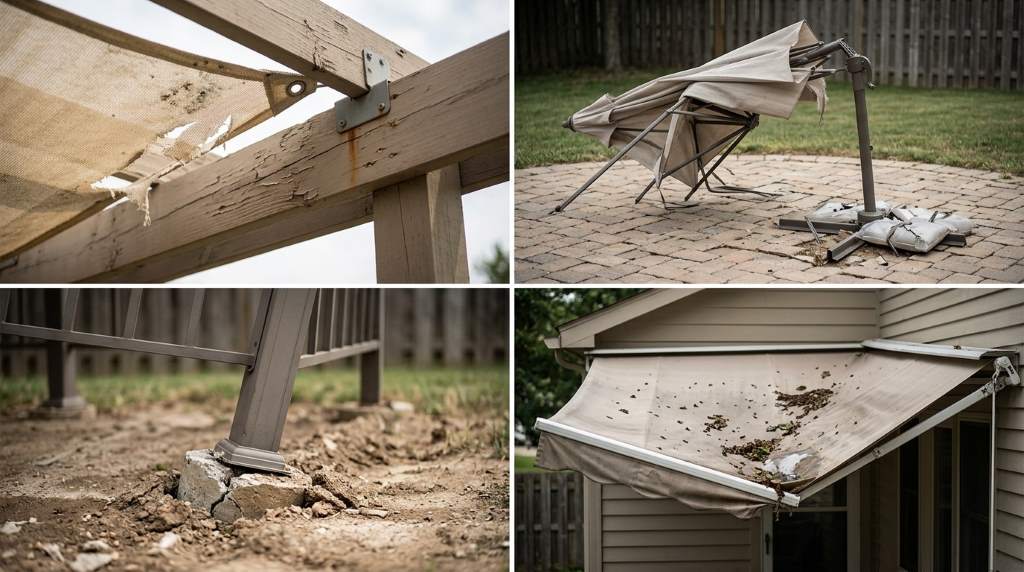
Many contractors and homeowners select materials based on appearance alone. Unfortunately, attractive materials do not always withstand desert conditions. Continuous ultraviolet exposure weakens many products quickly. Therefore, performance declines despite a good initial appearance. Long term durability requires climate specific choices.
Low quality fabrics often crack, fade, or tear under intense sunlight. Furthermore, weakened fabric loses tension over time. This creates sagging sections that collect debris. Consequently, water and dirt increase structural stress. Eventually, replacement becomes unavoidable.
Metal components face challenges as well. Although metal appears strong, poor coatings often fail. Once protective finishes deteriorate, corrosion develops gradually. Similar design considerations appear in modern window design transform homes projects where material performance affects long term results. Therefore, quality finishes remain essential for outdoor structures.
Common Material Mistakes
- Using untreated wood in direct sunlight
- Selecting thin fabric with low UV resistance
- Installing low grade steel components
- Ignoring protective coatings
- Choosing products not rated for desert climates
Improper Foundation Installation
A strong foundation supports every successful shade structure. Yet many failures begin below ground level. Some installers underestimate soil movement and loading requirements. Consequently, support posts shift gradually over time. Structural alignment then becomes compromised.
Phoenix soils vary considerably across different neighborhoods. Therefore, a foundation design that works in one area may fail elsewhere. Contractors must evaluate local conditions before installation. Otherwise, support systems may become unstable. Proper planning reduces future risks significantly.
Shallow footings represent another common problem. While smaller foundations reduce costs initially, they increase long term risks. As temperatures fluctuate, ground movement affects stability. Therefore, support posts may lean or settle unevenly. Structural stress then spreads throughout the system.
Wind Loads Are Often Underestimated
Many homeowners worry about heat but overlook wind resistance. Phoenix experiences strong gusts during seasonal storms. Consequently, lightweight structures can suffer serious damage. Even well built systems require proper engineering. Wind forces often exceed expectations.
Large flat surfaces create additional challenges. Wind pressure increases dramatically across wide canopy areas. Therefore, uplift forces become substantial during storms. Without adequate anchoring, structures may shift unexpectedly. In severe cases, complete failure occurs.
Interestingly, athletic training equipment demonstrates similar stability principles. Products such as the sklz speed agility ladder require secure placement during use. Likewise, backyard structures need reliable anchoring systems. Consequently, stability remains critical in both situations.
Warning Signs of Wind Related Damage
- Loose bolts and hardware
- Visible frame movement
- Fabric fluttering excessively
- Bent support members
- Cracks near connection points
Designs That Ignore Solar Exposure
Many shade structures look attractive in catalogs and showrooms. However, generic designs often perform poorly in Phoenix. Sun angles differ throughout the year. Therefore, effective shade requires careful positioning. Poor orientation reduces comfort significantly.
Some homeowners install structures without evaluating afternoon sun exposure. Unfortunately, western sunlight creates intense heat during summer evenings. Consequently, shaded areas become less usable. Proper planning improves comfort and energy efficiency. Strategic placement delivers better results.
Roof shape also influences performance. Flat designs may trap heat beneath the canopy. Meanwhile, ventilated designs promote airflow naturally. Therefore, temperature control improves considerably. Good design balances shade and ventilation.
The Hidden Impact of Thermal Expansion
One rarely discussed cause of failure involves thermal expansion. Desert temperatures create constant movement within structural materials. As metal heats up, dimensions increase slightly. Later, cooling reverses the process. Consequently, connections experience repeated stress cycles.
This issue remains largely overlooked in many backyard projects. Yet thermal movement affects bolts, welds, and support brackets daily. Over several years, tiny movements accumulate. Therefore, structural fatigue develops gradually. Eventually, visible damage appears.
Professional engineers often include expansion allowances in large commercial projects. However, residential installations sometimes ignore this requirement. As a result, premature wear becomes common. Proper design accommodates natural movement. This approach extends service life substantially.
Maintenance Neglect Accelerates Problems
Even high quality structures require regular inspection and maintenance. Unfortunately, many homeowners assume installations are maintenance free. Small issues then remain unnoticed for months. Consequently, damage progresses further. Repair costs increase unnecessarily.
Routine inspections help identify developing problems early. Homeowners should check fasteners, fabric condition, and structural alignment regularly. Furthermore, cleaning prevents dirt accumulation and staining. Therefore, materials remain in better condition. Preventive care protects investments effectively.
Dust accumulation creates another challenge in Phoenix. Fine particles settle into moving components and connections. Over time, wear rates increase significantly. Consequently, hardware performance declines. Regular cleaning reduces these effects.
Monsoon Season Creates Unique Risks
Phoenix monsoon storms produce conditions many structures cannot withstand. High winds often arrive alongside heavy rainfall. Therefore, multiple stresses affect installations simultaneously. Weak points become exposed quickly. Structural failures often occur during these events.
Water management plays a larger role than many people realize. Improper drainage allows water accumulation on canopy surfaces. Consequently, weight loads increase dramatically. Combined with wind pressure, structural demands rise sharply. Failure risks then become much higher.
Families often discover these weaknesses during outdoor activities. Similar reliability concerns matter when selecting products such as the best kids fishing rod equipment for long term use. Likewise, outdoor structures benefit from durability focused decisions. Quality construction delivers better results.
How to Prevent Shade Structure Failure
Successful installations begin with proper planning and engineering. Homeowners should evaluate climate demands before selecting materials. Furthermore, professional design reviews often identify hidden risks. Therefore, costly mistakes become less likely. Preparation improves long term performance.
Material selection deserves careful attention. Choose UV resistant fabrics and corrosion resistant metals whenever possible. In addition, verify manufacturer ratings for desert environments. Consequently, durability improves significantly. Long term maintenance requirements also decrease.
Regular inspections remain equally important. Schedule checks before and after monsoon season annually. Moreover, address minor issues immediately after discovery. Therefore, damage does not spread further. Small repairs often prevent major expenses.
Best Practices for Long Lasting Structures
- Use climate rated materials
- Install deep engineered foundations
- Account for thermal expansion
- Inspect hardware regularly
- Clean surfaces throughout the year
- Prepare for monsoon conditions
- Verify wind load requirements
Conclusion
Backyard shade structures fail in Phoenix for several predictable reasons. Extreme heat, intense sunlight, strong winds, and thermal expansion create constant stress. Furthermore, poor materials and weak foundations increase vulnerability. Fortunately, careful planning and routine maintenance prevent many problems. If you plan a new installation, invest in quality materials, proper engineering, and regular inspections to maximize performance and longevity.
FAQs
Why do shade structures fail faster in Phoenix?
Phoenix heat, UV exposure, and monsoon winds create extreme conditions that accelerate wear and damage.
What material lasts longest for Phoenix shade structures?
UV resistant fabrics and corrosion resistant metal systems typically provide the best long term performance.
How often should I inspect my shade structure?
You should inspect it at least twice yearly and after major storms.
Can thermal expansion damage outdoor structures?
Yes, repeated expansion and contraction gradually weaken connections and structural components.
Are professional installations worth the extra cost?
Professional installations often reduce future repair costs by addressing engineering and climate challenges properly.


Leave a Reply