
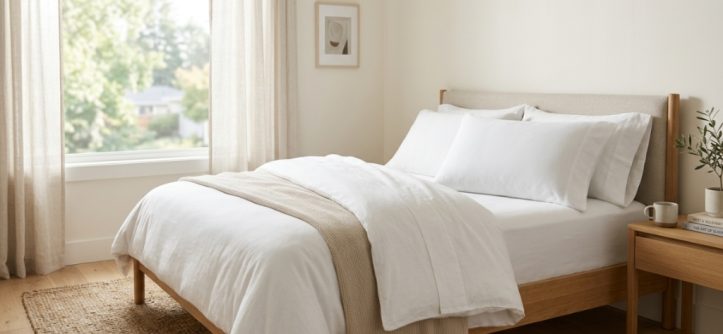
You know the feeling waking up in the middle of the night, your pillowcase damp, your hair wet, and your sleep completely ruined. Night sweats are not just uncomfortable; they disrupt your rest, affect your mood, and leave you dreading bedtime. The trigger is often simple: your pillow traps heat, and your standard cotton case holds onto moisture like a sponge. Enter a solution that works from the outside in cooling pillow cases for night sweats. These specially designed covers use advanced fabrics and weaves to pull heat away from your skin and dry quickly. Instead of fighting your bedding, you let it work for you, creating a microclimate that keeps you cool and dry all night long.
What Exactly Are Cooling Pillow Cases?
Defining the Technology Behind the Fabric
Cooling pillowcases are not standard pillow covers with a fancy label. They are engineered textiles designed to regulate temperature. Most are woven from materials like bamboo-derived rayon, Tencel, lyocell, or specialized synthetic blends that have high thermal conductivity. This means they actively draw heat away from your body rather than letting it build up inside the pillow. Some higher-end options use phase-change materials (PCMs) that absorb and release heat to maintain a consistent surface temperature.
How They Differ from Regular Cotton or Satin Cases
Standard cotton cases are absorbent but not breathable in humid conditions. They soak up sweat and stay wet, which actually makes you feel colder once the sweat evaporates—then hotter again as your body compensates. Cooling cases, by contrast, wick moisture and allow air to circulate freely. Satin or silk cases reduce friction for hair and skin but do not offer meaningful temperature regulation. Cooling pillowcases specifically prioritize heat dissipation and moisture management.
Common Materials Used in Cooling Pillow Cases
- Bamboo rayon: Naturally breathable, moisture-wicking, and soft.
- Tencel (lyocell): Derived from wood pulp, excellent at managing humidity.
- Nylon or polyester blends: Often treated with cooling finishes or woven in a grid pattern for airflow.
- Cotton percale: A crisper, cooler weave that offers a budget-friendly option.
Why Do Standard Pillowcases Make Night Sweats Worse?
Heat Retention and Lack of Breathability
When you sleep, your body naturally cools down. But your head and neck generate significant heat. A standard pillowcase traps that heat against the pillow filling, which then radiates back to your skin. The lack of air circulation creates a pocket of warm, moist air around your face. This not only triggers sweating but prevents the sweat from evaporating efficiently.
Moisture Trapping vs. Moisture Wicking
Cotton fibers are hydrophilic—they attract and hold water. When you sweat into a cotton case, the fabric absorbs the moisture and stays saturated. A wet pillowcase feels cool for a moment, but then the trapped heat turns it into a warm, damp breeding ground for bacteria and discomfort. Cooling fabrics are hydrophobic or specially treated to move moisture along the fiber surface so it can evaporate quickly.
The Problem with Synthetic Pillow Fillings
Memory foam and polyester fills retain heat. Even the best cooling case cannot entirely fix a pillow that acts like a heat sink. However, a quality cooling case creates a barrier that reduces the amount of heat transferred from the pillow to your face. For night sweat sufferers, this barrier is critical because it stops the cycle of heat buildup and sweating before it starts.
How Do Cooling Pillow Cases Actually Stop Night Sweats?
Thermal Regulation Through Conductive Fibers
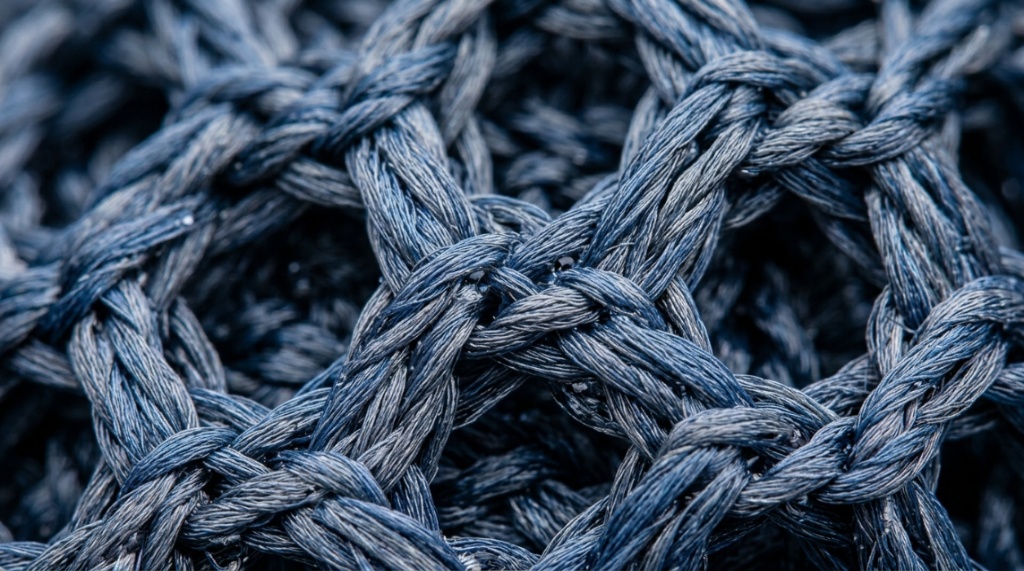
Cooling cases work by a principle called thermal conduction. The fibers in the fabric are good conductors of heat. When your warm skin touches the case, the heat spreads out across the fabric surface rather than staying concentrated in one spot. This disperses the heat so your skin feels cooler. Many cooling cases also use an open-weave structure that allows warm air to escape and cooler room air to move in.
Moisture Management and Evaporation Rate
The second mechanism is moisture wicking. Instead of absorbing sweat into the fiber (like cotton), cooling fibers pull liquid sweat through the fabric to the outer surface. There, the moisture spreads out over a larger area and evaporates quickly. This keeps the surface next to your skin dry. Dry skin does not trigger the uncomfortable sticky sensation that wakes you up, and it prevents the clammy cycle of getting wet then cold then hot again.
Phase-Change Materials (PCMs) in Advanced Cases
Some premium cooling pillowcases incorporate phase-change materials. These are substances that absorb heat when they melt and release heat when they solidify, all at a precise temperature (usually around 85–90°F). When you overheat, the PCM melts slightly, absorbing excess warmth. When you cool down, it solidifies again, releasing stored heat. This creates a self-regulating buffer that keeps your pillow surface at a comfortable steady temperature.
What Should You Look for When Buying Cooling Pillow Cases for Night Sweats?
Thread Count and Weave Style
Higher thread counts are not always better for cooling. A percale weave (one-over-one-under) creates a crisp, breathable fabric. Sateen weaves are denser and smoother but trap more heat. Look for a thread count between 200 and 400 in a percale weave for the best balance of durability and airflow. Bamboo and Tencel fabrics often have a lower thread count but a tighter weave that still breathes well.
Material Certifications and Safety
Because you will be pressing your face against these fabrics for hours, material safety matters. Look for Oeko-Tex Standard 100 certification, which ensures no harmful chemicals are present. Bamboo rayon should ideally come from a closed-loop production process (Lyocell) to avoid environmental toxins. Avoid cases treated with formaldehyde-based anti-wrinkle finishes, as these can irritate sensitive skin—especially if you are already sweating.
Size and Fit Considerations
A cooling pillowcase that does not fit snugly will bunch up, creating wrinkles that trap heat and moisture. Measure your pillow dimensions before buying. Standard, queen, and king sizes are common, but body pillows and travel pillows may require specialty cases. A deep pocket (15–20 inches) helps keep the case secure on thicker pillows.
Which Materials Work Best for Severe Night Sweats?
Bamboo Rayon: The All-Rounder
Bamboo-derived fabrics are incredibly soft, breathable, and naturally moisture-wicking. They have a silky feel that many people find comfortable, and they do not hold onto odors as much as synthetics. For moderate to severe night sweats, bamboo rayon is a reliable and affordable choice. It is also hypoallergenic, which helps if sweat triggers skin irritation.
Tencel Lyocell: High-Performance Moisture Control
Tencel is a brand name for lyocell, a fabric made from sustainably harvested eucalyptus wood. It is more moisture-wicking than bamboo and dries faster. It also has a smooth texture that reduces friction and feels cool to the touch. For people who wake up drenched, Tencel offers superior evaporation speed and is less likely to develop a buildup of sweat residue over time.
Nylon or Polyester Performance Fabrics
These are often used in athletic wear for a reason—they wick sweat and dry almost instantly. Some cooling pillowcases use a nylon or polyester blend with a cooling finish. These fabrics are less breathable than natural fibers in very hot rooms, but they excel at moving moisture away from the skin. They are also very durable and machine washable without shrinking.
How Should You Care for Cooling Pillow Cases to Keep Them Effective?
Washing and Drying Guidelines
Heat and harsh detergents can damage cooling fibers and reduce their effectiveness. Wash cooling cases in cold or warm water (never hot) on a gentle cycle. Use a mild, liquid detergent without bleach or fabric softener. Fabric softener coats the fibers and blocks moisture-wicking properties. Tumble dry on low or air dry. High heat can shrink or warp bamboo and Tencel fabrics.
Avoiding Heat Damage to Cooling Finishes
If your case has a special cooling finish or PCM treatment, avoid ironing. The heat can melt or degrade the phase-change materials. If wrinkles bother you, remove the case from the dryer while slightly damp and smooth it by hand. Steam from a shower can also help release wrinkles without direct heat contact.
When to Replace Your Cooling Pillow Case
Cooling cases are not indestructible. Over time, washing and wear reduce their wicking ability. Look for signs like pilling, thinning fabric, or a noticeable loss of the cool-to-the-touch feeling. For heavy sweaters, replacing your case every six to twelve months ensures optimal performance. Rotating between two cases can extend the lifespan of each. Struggling with overall body alignment while trying to keep cool? Make sure to Pick the Best Knee Pillow for Side Sleepers Without Wasting Money to complete your ergonomic and temperature-regulated sleep setup.
Can Cooling Pillow Cases Replace Other Night Sweat Remedies?
They Work Best as Part of a Cooling System
A cooling pillowcase is a powerful tool, but it is not a magic bullet. If your bedroom is too warm, your mattress traps heat, or you are using a heavy blanket, a pillowcase alone may not stop all sweating. For best results, combine it with lightweight, breathable sheets, a cooling mattress protector, and a fan or air conditioner. Some people also find that keeping a change of dry pajamas nearby helps.
When to Consult a Doctor About Night Sweats
Occasional night sweats are normal. But if you experience soaking sweats that wake you up regularly, especially if accompanied by fever, weight loss, or fatigue, see a healthcare provider. Medical conditions like hyperthyroidism, sleep apnea, or infections can cause night sweats. Cooling pillowcases can improve comfort but cannot address underlying health issues.
Pairing with Moisture-Wicking Pajamas and Sheets
To maximize the benefit, consider upgrading your entire sleep setup. Look for pajamas made from bamboo or Tencel, and swap your fitted sheet for a cooling option. You can explore a range of budget-friendly solutions, including cooling pillow cases for night sweats, which are often the most affordable and impactful upgrade you can make.
Are Cooling Pillow Cases Worth the Price Compared to Regular Cases?
Cost Breakdown Over Time
A quality cooling pillowcase costs between $15 and $40, while a standard cotton case costs $8 to $15. The difference is small in absolute terms. But consider that a cooling case lasts through hundreds of washes if cared for properly. Over a year, the cost per use is pennies. Given the improvement in sleep quality, most users find the investment worthwhile.
The Hidden Cost of Not Using One
Poor sleep caused by night sweats affects productivity, mood, and long-term health. Over-the-counter sleep aids, extra laundry loads, and replacing ruined pillows add up. A cooling pillowcase can reduce these costs significantly. It also protects your pillow from sweat stains and bacteria, extending the life of your pillow.
Comparing Budget and Premium Options
Budget cooling cases (under $20) often use bamboo or cotton percale and work well for mild sweats. Premium cases ($30–$60) may include PCM technology, higher-quality Tencel, or double-sided cooling weaves. For severe night sweats, a premium option may provide noticeably better relief. For occasional sweating, a budget bamboo case often suffices.
What Do Users Say About Cooling Pillow Cases for Night Sweats?
Common Positive Feedback
Most users report waking up with a dry pillowcase for the first time in months. Many note that the fabric feels noticeably cool when they first lay down. Others appreciate that the cases are soft and do not trigger skin allergies. The reduction in hair frizz and morning tangles is a frequent bonus mentioned by users with long hair.
Frequent Complaints and Misconceptions
Some users expect a cooling case to feel icy cold all night. In reality, the case equalizes with your body heat and the room temperature. It will not stay cold like a gel pack. Others complain that certain brands lose their cooling feel after a few washes. This is often due to washing with fabric softener or high heat, which degrades the fibers.
Real-World Results for Moderate vs. Severe Sweating
For moderate sweaters (pillow feels damp upon waking), a bamboo or Tencel case usually solves the problem. For severe sweaters (soaking through the case and into the pillow), a PCM-infused case combined with a ventilated pillow offers the best results. No single product works for everyone, but cooling cases have a high satisfaction rating among the night sweat community.
How to Transition to a Cooling Pillow Case Smoothly
Wash Before First Use
Manufacturing chemicals and packaging dust can reduce breathability. Wash your new cooling case in cold water with a mild detergent before using it. This removes any residual finishes and ensures the fibers are open for maximum airflow.
Give Your Skin Time to Adjust
The first night, the fabric may feel strange—especially if you are used to flannel or high-thread-count cotton. Most people adapt within two to three nights. If the case feels too slippery or does not seem cool enough, try using it with thinner pillow fillings or removing any pillow protectors that trap heat underneath the case.
Layer Strategically in Winter
Cooling cases work year-round. In winter, they prevent overheating from heavy duvets. If you feel too cool, simply use a warmer blanket. The case will still wick any moisture from your skin, keeping you dry and comfortable even if you do sweat under heavier bedding.
Frequently Asked Questions
Can I use a cooling pillow case with a memory foam pillow?
Yes. In fact, it is highly recommended. Memory foam traps body heat, and a cooling case helps reduce the heat felt against your face. The case creates a thermal barrier that keeps the pillow’s heat from radiating directly onto your skin.
Do cooling pillow cases work for hot flashes during menopause?
Many women find relief from hot flashes using cooling pillowcases. The conductive fabrics help dissipate sudden heat spikes. While they cannot stop a hot flash from happening, they can reduce the intensity and help you cool down faster, allowing you to return to sleep sooner.
How often should I wash a cooling pillow case?
Wash it weekly if you sweat heavily. For normal use, every two weeks is sufficient. Frequent washing in cold water with mild detergent keeps the fibers open and the moisture-wicking properties active. Avoid fabric softener to maintain performance.
Are cooling pillow cases safe for acne-prone or sensitive skin?
Yes, especially bamboo and Tencel cases. They are naturally hypoallergenic, dust-mite resistant, and free from harsh chemical finishes. Their moisture-wicking ability keeps sweat from sitting on your skin, which reduces the chance of clogged pores and breakouts.
Can I use a cooling pillow case on a side or stomach sleeper pillow?
Absolutely. Side and stomach sleepers press their face directly into the pillow, making heat buildup worse. A cooling case is especially beneficial for these positions because it actively pulls heat away from the face and prevents the pillow from becoming a heat trap.
Do cooling pillow cases lose their effect over time?
Yes, gradually. Washing and wear reduce the efficiency of moisture-wicking fibers and PCM treatments. Most cases maintain good performance for six to twelve months. After that, you may notice that your pillow feels warmer again. Replacing the case every year is a simple way to maintain consistent cooling.
Will a cooling pillow case stop all my night sweats completely?
It depends on the cause of your night sweats. For environmental or bedding-related sweating, a cooling case is often enough. For medically caused night sweats, it provides comfort and dryness but will not eliminate the underlying issue. Combine it with proper medical advice and room temperature management for the best results.
Conclusion
Night sweats do not have to control your sleep. Cooling pillowcases offer a practical, affordable, and effective solution that works with your body instead of against it. By using conductive materials, moisture-wicking fibers, and smart weaves, they stop the heat and sweat cycle before it wakes you up. The key is choosing the right material for your sweat level, caring for the fabric properly, and pairing it with a breathable sleep environment. Start with one cooling case for your favorite pillow. You will notice the difference the very first night—a dry, cool surface that stays comfortable until morning. Do not let another restless night slip away. Take control of your sleep temperature today.




Leave a Reply