
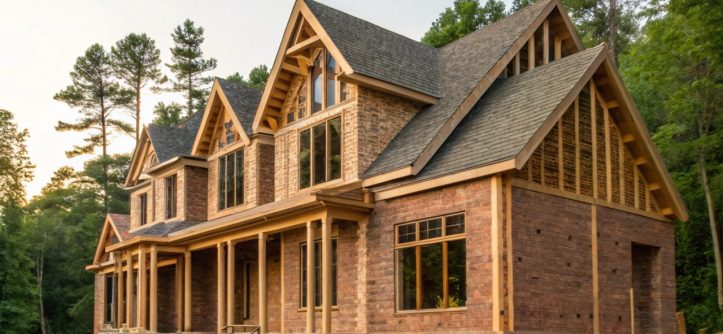
Building a house that truly endures is about more than just structure and style. Longevity in custom home design requires thoughtful material selection, energy-efficient solutions, and an eye for timeless aesthetics. Homeowners aiming for lasting value and comfort should seek expert guidance and proven best practices. In this early planning stage, working with a trusted builder for custom homes can make all the difference in balancing design dreams with long-term value. Durability, sustainability, and adaptability should be at the core of every custom build.
Investing in a home is both a personal milestone and a legacy for those who follow. The process encompasses strategic decisions around materials, energy consumption, and future-proof technology. By focusing on longevity and flexibility, families can ensure their residence provides security and comfort for generations.
Choosing to build new lets you create a residence that fits your needs today and adapts to changes tomorrow. Finding the right approach at the start ensures the entire process is built on a foundation of strength, efficiency, and classic design principles. Carefully planned construction offers benefits such as lower long-term maintenance, a healthier living environment, and even enhanced resale value.
Modern buyers are also looking carefully at quality and efficiency, which drive demand for houses built for the future. For further insight on homes designed for long-term use and modern lifestyles, learn more about new build homes and how these properties are crafted with endurance in mind.
Choosing Durable Materials
The foundation of a long-lasting home begins with the right building materials. Stone, brick, metal roofing, and specific types of treated wood retain their structure and appearance over decades. For example, brick is naturally fire-resistant, has a high thermal mass for better temperature stability, and can withstand harsh weather conditions. Similarly, fiber-cement siding and concrete foundations can withstand environmental changes and minimize the risk of damage from pests or moisture.
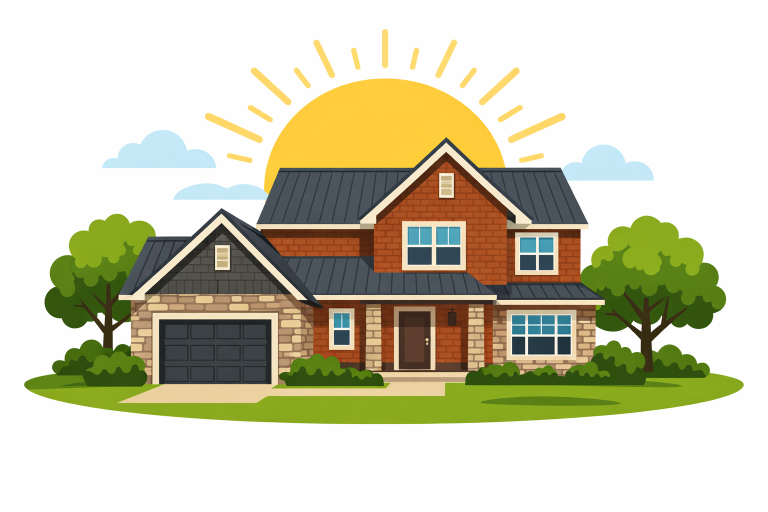
When reviewing options, consider not only the life expectancy but also the maintenance requirements. Materials that require minimal upkeep reduce costs and stress over time. Forbes recommends evaluating both the up-front investment and long-term replacement cycles to ensure a wise selection.
Incorporating Energy-Efficient Systems
Energy efficiency is essential for the sustainability and affordability of any custom home. Well-insulated walls, efficient windows, high-performance HVAC systems, and solar panels all contribute to a greener, more cost-effective residence. Advanced insulation techniques, such as spray foam and insulated concrete forms, help maintain comfortable indoor temperatures year-round. Energy Star-rated appliances and smart thermostats also provide energy cost savings while improving daily comfort and convenience.
The U.S. Department of Energy notes that integrating renewable energy solutions, such as solar panels, significantly reduces utility bills while improving a property’s future profitability. Besides direct financial savings, these choices support global efforts to combat climate change by reducing your carbon footprint.
Embracing Timeless Design
Many dream homes lose their appeal because their design is tied too closely to fleeting trends. To avoid this pitfall, opt for classic architectural lines and functional layouts that work across generations. Colonial, craftsman, and farmhouse designs are enduring favorites that provide charm and adaptability. Inside, keeping to neutral palettes, natural materials, and high-quality finishes creates a backdrop that remains stylish with minor updates.
Features like open floor plans, central gathering spaces, and large windows boost natural light and flexibility. Simple, elegant moldings and timeless cabinetry styles also make updating décor easier over time, providing flexibility for evolving tastes and family needs.
Prioritizing Sustainable Building Practices
Today’s construction methods have evolved to include eco-friendly processes and sustainable materials. Using reclaimed wood, low-VOC paints, and recycled steel exemplifies this commitment to the environment. Installing rainwater harvesting systems and drought-tolerant landscaping conserves resources while minimizing your environmental footprint.
Green building certifications such as LEED or Energy Star designate homes as efficient and sustainable, often increasing property value and market desirability. According to Forbes, sustainable homes not only improve health and comfort but also yield significant financial benefits through incentives and reduced utility expenses.
Future-Proofing Your Home
Future-proofing is about ensuring your custom home can adapt as family needs, technology, and lifestyles change. Strategies include designing flexible rooms that can serve as offices, guest suites, or hobby areas. Aging-in-place features such as step-free entries, wider doorways, and adaptable bathrooms add to the property’s value and usability as people’s needs change over time.
Smart home technology has become integral, offering benefits like energy monitoring, automated lighting, security, and more. By wiring the home for future upgrades, owners can seamlessly add features and keep up with emerging innovations.
Conclusion
Every custom home is an opportunity to create a lasting legacy. By prioritizing material quality, energy efficiency, classic design, and sustainable construction practices, homeowners position their investment to benefit not just themselves but also future generations. Smart choices made during the planning stages contribute to a stable, efficient, and beautiful residence that truly stands the test of time.



Leave a Reply