
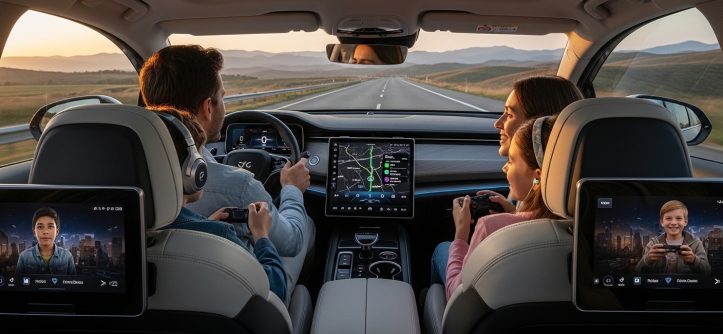
Modern vehicle technology has profoundly changed the way families approach road trips, daily commutes, and even short errands, making journeys safer, more comfortable, and far more engaging for everyone in the car. Today’s vehicles are equipped with innovations that address virtually every family’s need, whether it’s entertainment for restless kids, peace of mind for parents, or added comfort for long-distance drives. From advanced driver assistance features and sophisticated connectivity options to entertainment on the go, current car models can transform the travel experience for everyone, seamlessly blending technology into every facet of a journey. Learn more about the latest models featuring these game-changing advances and explore how upgrading your family vehicle could benefit all passengers, regardless of age or interests.
By embracing the remarkable technological advancements available today, families can be better prepared to navigate busy urban arteries and challenging highways with increased confidence and ease. These technologies are designed not just to address safety but also to boost comfort and reduce stress on the road. Robust entertainment options keep children occupied, and intelligent systems support parents in maintaining focus and awareness. Whether you’re rushing between after-school obligations or embarking on that long-overdue weekend getaway, integrating advanced vehicle technology into your driving routine can transform even the most routine drive into a safer, smoother, and more enjoyable experience for all passengers.
Advanced Driver Assistance Systems (ADAS)
Advanced Driver Assistance Systems (ADAS) are revolutionizing family road safety and significantly changing the way drivers interact with their vehicles. These systems harness radar, cameras, lidar, and sophisticated sensors to monitor a vehicle’s surroundings in real time, alerting the driver to potential dangers well before they become critical threats. Technologies such as adaptive cruise control automatically maintain a pre-set speed while keeping a safe distance from the car ahead, reducing both mental and physical fatigue for drivers on long road trips. Lane-keeping assistance provides subtle steering inputs to help the driver remain centered in their lane, minimizing the risk of unintentional lane drift, a common cause of roadside accidents. Automatic emergency braking systems can rapidly apply the brakes if an obstacle or sudden hazard is detected, offering a vital safeguard that could be crucial during a moment of distraction.
Augmented Reality Head-Up Displays (AR HUDs)
AR HUDs are quickly becoming an integral part of modern driving, especially for families seeking both safety and futuristic functionality. These systems use advanced projection technology to overlay essential driving information, such as current speed, turn-by-turn navigation, traffic warnings, and alerts about upcoming hazards, directly onto the windshield, in the driver’s line of sight. The ability to keep your eyes on the road without diverting attention to dashboard screens or handheld devices reduces cognitive distraction and reaction time in critical situations. For families with tech-savvy teenagers, AR HUDs are a compelling draw, blending cutting-edge visuals with practical safety into a single experience. AR HUDs not only improve safety but also deliver an appealing, high-tech driving experience that resonates with all ages. It’s a development that brings valuable information and crucial alerts to the forefront—literally—empowering parents to maintain situational awareness during hectic urban driving or unfamiliar routes.
Voice-Activated Controls and AI Integration
Vehicle manufacturers are integrating advanced voice-activated systems and artificial intelligence (AI) to enhance the driving experience while prioritizing safety. These hands-free, voice-controlled interfaces allow drivers to make phone calls, adjust music, navigate, and control climate settings without taking their eyes off the road. Over time, AI learns drivers’ habits and preferences, enabling it to anticipate needs such as preferred routes or favorite playlists. This technology not only improves convenience but also enhances safety by providing valuable hands-free interaction, particularly beneficial for parents managing multiple tasks or keeping children entertained in the back seat.
Biometric Systems for Personalization
Today’s automotive innovations extend beyond traditional keys and security alarms. Biometric systems—ranging from fingerprint scanners to facial recognition software—are setting new standards in both vehicle security and personalization. These recognition features go beyond preventing unauthorized access; they greet recognized drivers with pre-set seat positions, preferred climate control settings, and personalized mirror angles immediately upon entry. For families with multiple drivers, this means no more time wasted adjusting the seat or other controls after a driver swap—everything is ready at the push of a button or a finger scan. On the security side, only authorized users can start the vehicle, significantly decreasing the risk of theft or unauthorized use. The fusion of privacy, personalization, and ease of use in these systems is especially attractive for families who want both individual customization and peace of mind, making the routine of sharing vehicles seamless and secure for everybody.
Adaptive Technologies
Adaptive technologies in modern vehicles improve comfort and safety by automatically responding to driving conditions and user needs. For example, adaptive headlights adjust based on ambient light and road conditions, while predictive maintenance technology alerts drivers to early signs of mechanical wear. Additionally, adaptive cruise control helps maintain speed and automatically adjusts to keep a safe distance from the car ahead. This technology allows families to worry less about maintenance and enjoy their time on the road, confident in the vehicle’s ability to manage safety and convenience.
Connectivity and Infotainment
Infotainment and connectivity systems are quickly becoming essential to the modern family driving experience. With seamless integrations such as Apple CarPlay and Android Auto, families can bring their digital worlds into the vehicle—easily stream music, use favorite navigation apps, or respond to texts hands-free. In-car Wi-Fi hotspots enable passengers to access the internet from anywhere, letting children enjoy streaming movies or play interactive games on tablets while parents catch up on news or manage work on the go. These advances are taking the boredom out of long road trips and offering educational opportunities for children along the way. As mobile connectivity becomes ubiquitous, it’s no longer a luxury add-on but a major consideration for families choosing their next ride, transforming vehicles into rolling entertainment hubs and information centers.
Safety Enhancements
Modern vehicles come with numerous safety features designed to prevent collisions and minimize injuries in accidents. Innovations like collision-avoidance systems and blind-spot monitoring help drivers stay aware of hazards, while advanced airbag systems tailor deployment based on passenger size and crash dynamics. Automatic emergency braking is increasingly standard, further enhancing safety. With these advancements, families can embark on road trips or daily drives with confidence, knowing their vehicles prioritize safety.
Conclusion
Vehicle technologies continue to evolve rapidly, providing remarkable improvements in safety, convenience, and comfort for families everywhere. Staying informed about these automotive innovations empowers families to make better choices when purchasing or upgrading their vehicles, ensuring that every trip—no matter the length or purpose—is as enjoyable and secure as possible. As the technology becomes more common and affordable, families will find that the journey itself can be just as memorable as the destination, thanks to the thoughtful integration of these cutting-edge features that benefit every driver and passenger.




Leave a Reply