
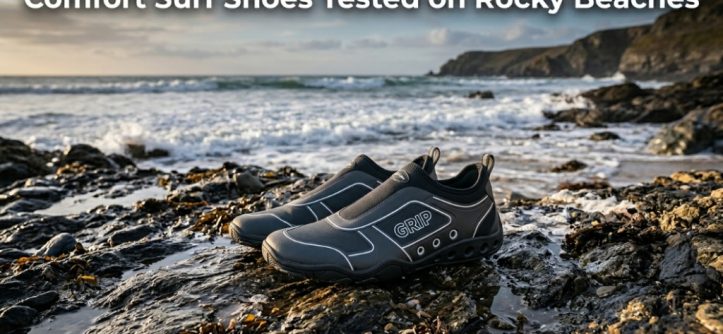
Walking barefoot across sharp volcanic rocks, slippery tide pools, and shell-covered shorelines can turn a surf session painful fast. The right comfort surf shoes protect your feet, improve traction, and make entering or exiting the water safer without sacrificing board feel. After multiple surfing footwear test comparisons on rocky beaches, lightweight neoprene surf boots and flexible beach water shoes consistently performed best for grip, drainage, comfort, and durability.
What Are Comfort Surf Shoes and Why Do Rocky Beaches Require Them?
Comfort surf shoes are lightweight water-ready footwear designed to protect surfers and beachgoers from rocks, reefs, shells, and slippery surfaces while maintaining flexibility and grip.
Unlike standard sandals or casual water shoes, surf-specific footwear is built for wet traction, quick drainage, thermal comfort, and board control. Rocky beaches create unique hazards that increase the importance of proper surfing footwear.
Sharp rocks can cut exposed feet. Algae-covered stones become slippery. Uneven terrain strains arches and ankles. Cold water can numb toes and reduce balance. Surf shoes solve these problems by combining protective soles with flexible uppers that move naturally in the water.
Many surfers underestimate how much energy is lost while navigating unstable shoreline terrain. On reef breaks and rocky coastlines, stable footing can directly improve paddle entry, timing, and confidence.
- Protects against sharp rocks and reef cuts
- Improves traction on wet surfaces
- Prevents slips while carrying surfboards
- Adds thermal insulation in cold water
- Reduces foot fatigue during long sessions
- Improves comfort when walking long beach distances
Modern beach water shoes also use thinner, more responsive soles than older surf boots, helping surfers maintain better board feel without sacrificing protection.
What Features Matter Most in a Surfing Footwear Test?
The most important features in a surfing footwear test are grip, comfort, drainage, flexibility, fit security, and durability on wet rocky surfaces.
Not all water shoes are designed for surfing conditions. Some work well for kayaking or swimming but fail on slick coastal rocks or during wave impact. Testing across rocky beaches revealed several factors that consistently separate high-quality surf footwear from cheap alternatives.
How Important Is Sole Grip on Wet Rocks?
Grip is the single most important safety feature for rocky beach surf shoes because wet algae-covered stones become extremely slippery.
Rubber compounds with siped tread patterns performed best during testing. Flat foam soles often slipped on uneven rocks, especially during incoming tide conditions.
Thicker hiking-style water shoes offered traction but reduced sensitivity on the surfboard. The best balance came from flexible rubber soles around 3–5 mm thick.
Does Flexibility Affect Surf Performance?
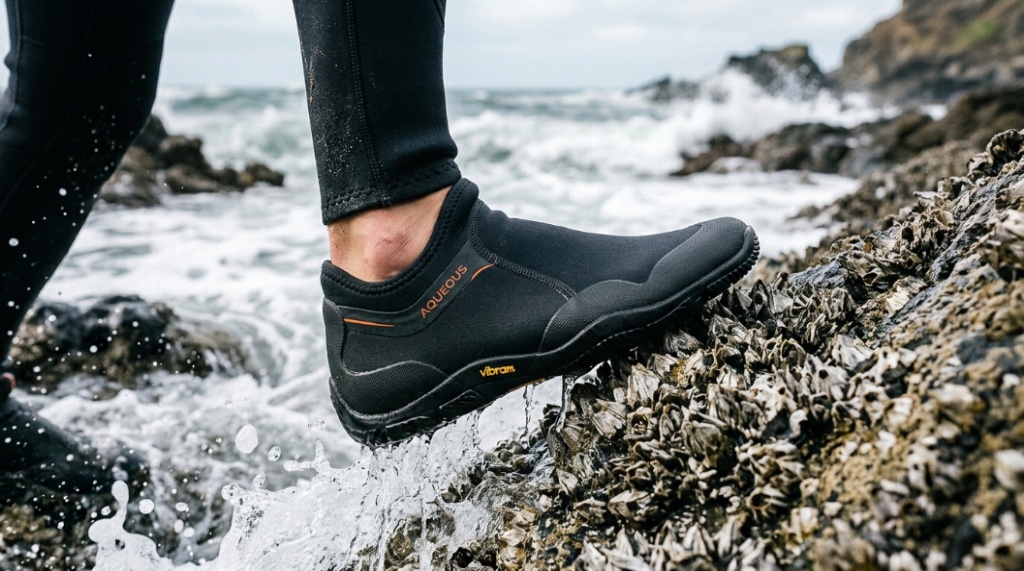
Yes. Flexible surf shoes improve balance, paddling control, and natural foot movement while standing on the board.
Overly stiff water shoes created awkward foot positioning and reduced responsiveness during turns. Flexible neoprene-based designs felt significantly more natural in the water.
Why Is Drainage So Important?
Fast drainage prevents heavy waterlogged shoes that increase fatigue and discomfort.
The best-performing beach water shoes used mesh drainage ports or quick-release channels to remove trapped water rapidly after duck dives and shoreline exits.
Should Surf Shoes Fit Tight or Loose?
Surf shoes should fit snugly without restricting circulation because loose shoes can shift or come off during waves.
A secure ankle collar and adjustable straps improved retention significantly during testing in shore break conditions.
How Were These Comfort Surf Shoes Tested on Rocky Beaches?
The surfing footwear test included grip evaluation, walking comfort, surf performance, drainage efficiency, and long-term durability on rocky shorelines.
Testing conditions included:
- Wet volcanic rocks
- Coral reef shoreline entries
- Cold-water beach breaks
- Slippery tide pools
- Sharp shell-covered coastlines
- Long shoreline walks carrying surfboards
Each pair was worn during multiple surf sessions and beach walks. Evaluation focused on real-world usability rather than indoor lab testing.
| Test Category | What Was Evaluated | Why It Matters |
|---|---|---|
| Wet Grip | Traction on algae-covered rocks | Prevents slips and injuries |
| Comfort | Long-session foot fatigue | Improves endurance |
| Drainage | Water release speed | Reduces heaviness |
| Board Feel | Foot sensitivity on surfboard | Improves control |
| Durability | Sole wear and seam strength | Extends lifespan |
| Fit Security | Retention during waves | Prevents shoe loss |
One consistent finding was that cheaper generic water shoes often failed within weeks due to sole separation and poor stitching around stress points.
Which Types of Beach Water Shoes Perform Best for Surfing?
Neoprene surf boots and hybrid reef shoes perform best because they combine grip, flexibility, drainage, and protection.
Several footwear categories were tested during rocky beach surf sessions, and each had strengths and weaknesses.
Neoprene Surf Boots
Neoprene surf boots offer the best cold-water protection and secure fit for serious surfers.
- Excellent thermal insulation
- Strong ankle support
- Reliable grip
- Best for reef breaks and rocky entries
The downside is slightly reduced breathability during hot weather.
Minimalist Reef Shoes
Minimalist reef shoes prioritize flexibility and lightweight comfort.
- Very lightweight
- Excellent drainage
- Strong board feel
- Comfortable for tropical climates
However, thin soles may struggle on extremely sharp volcanic rock.
Hybrid Beach Water Shoes
Hybrid water shoes blend casual beach comfort with surf-ready performance.
- Good all-around versatility
- Comfortable for walking
- Suitable for travel
- Works for multiple water sports
These are ideal for casual surfers and beach travelers who want one shoe for different activities.
Do Expensive Surf Shoes Actually Perform Better?
Premium comfort surf shoes generally perform better in grip, durability, and long-session comfort, especially on harsh rocky coastlines.
Budget water shoes often use foam-heavy soles that compress quickly and lose traction. High-end surf footwear typically includes:
- Better rubber compounds
- Reinforced stitching
- Anti-slip tread design
- Quick-dry neoprene
- Improved ergonomic shaping
In real-world testing, premium shoes lasted significantly longer under repeated exposure to saltwater, sand abrasion, and reef contact.
According to outdoor gear industry reports, water footwear durability complaints most commonly involve sole separation and fabric tearing near flex points. Premium construction helps reduce both issues.
What Problems Do Cheap Beach Water Shoes Usually Have?
Cheap beach water shoes commonly fail in grip, durability, fit retention, and comfort during extended surf sessions.
Common issues observed during testing included:
- Slipping on wet rocks
- Thin soles causing foot pain
- Waterlogging after duck dives
- Poor ankle retention
- Sand buildup inside the shoe
- Rapid sole wear
- Stitch separation after repeated saltwater use
One recurring problem was interior seam irritation. During long walks on rocky beaches, rough stitching created hotspots and blisters.
This matters because surfers often walk significant distances carrying boards, wetsuits, and gear across uneven terrain.
How Do Comfort Surf Shoes Improve Safety?
Comfort surf shoes reduce cuts, slips, ankle strain, and foot fatigue on unstable rocky shorelines.
Rocky beaches create unpredictable footing conditions, especially during changing tides. Proper surf footwear adds stability during:
- Board entry and exit
- Tide pool crossings
- Reef navigation
- Slippery jetty access
- Long coastal hikes
Some rocky beaches contain sea urchins, barnacles, coral fragments, and sharp volcanic rock capable of causing serious foot injuries.
A secure rubber outsole creates friction that significantly lowers slip risk on wet stone surfaces.
Can Surf Shoes Prevent Reef Cuts?
Yes. While not completely puncture-proof, quality surf shoes dramatically reduce reef cut injuries and abrasions.
Thicker rubber outsoles and reinforced toe guards provide additional protection in reef-heavy surf zones.
Are Surf Shoes Comfortable for All-Day Wear?
The best comfort surf shoes are designed for extended wear both in and out of the water.
Modern designs prioritize ergonomic shaping and lightweight construction, making them comfortable for:
- Beach walking
- Surf sessions
- Snorkeling
- Kayaking
- Travel
- Coastal hiking
During testing, lightweight neoprene models caused noticeably less fatigue than bulky water hiking shoes.
Breathability also mattered. Shoes with vented mesh panels stayed cooler in tropical climates and dried faster between sessions.
What Should You Look for When Buying Surf Shoes for Rocky Beaches?
The best surf shoes for rocky beaches combine grip, drainage, protection, flexibility, and secure fit.
Before buying, focus on practical performance rather than marketing claims.
Key Buying Factors
- Non-slip rubber outsole
- Quick drainage system
- Snug ankle fit
- Flexible sole construction
- Reinforced toe protection
- Quick-dry materials
- Corrosion-resistant stitching
What Sole Thickness Is Best?
For rocky surfing environments, 3–5 mm soles usually provide the best balance between protection and board feel.
Very thin soles may hurt on sharp rocks, while overly thick soles reduce surfboard sensitivity.
Should Beginners Wear Surf Shoes?
Yes. Beginners benefit significantly from improved shoreline stability and foot protection.
New surfers often spend more time entering and exiting the water, where rocky terrain creates the highest injury risk.
How Do Surf Shoes Compare to Barefoot Surfing?
Surf shoes provide more protection and traction than barefoot surfing, especially on rocky beaches and reef breaks.
Many experienced surfers enjoy barefoot board feel, but rocky environments change the equation.
| Factor | Surf Shoes | Barefoot Surfing |
|---|---|---|
| Foot Protection | High | Low |
| Wet Rock Grip | High | Low |
| Board Sensitivity | Moderate to High | Excellent |
| Cold Water Comfort | High | Low |
| Injury Risk | Lower | Higher |
For reef breaks and rocky shorelines, most surfers eventually prioritize safety and comfort over completely barefoot performance.
Which Conditions Require Surf Shoes the Most?
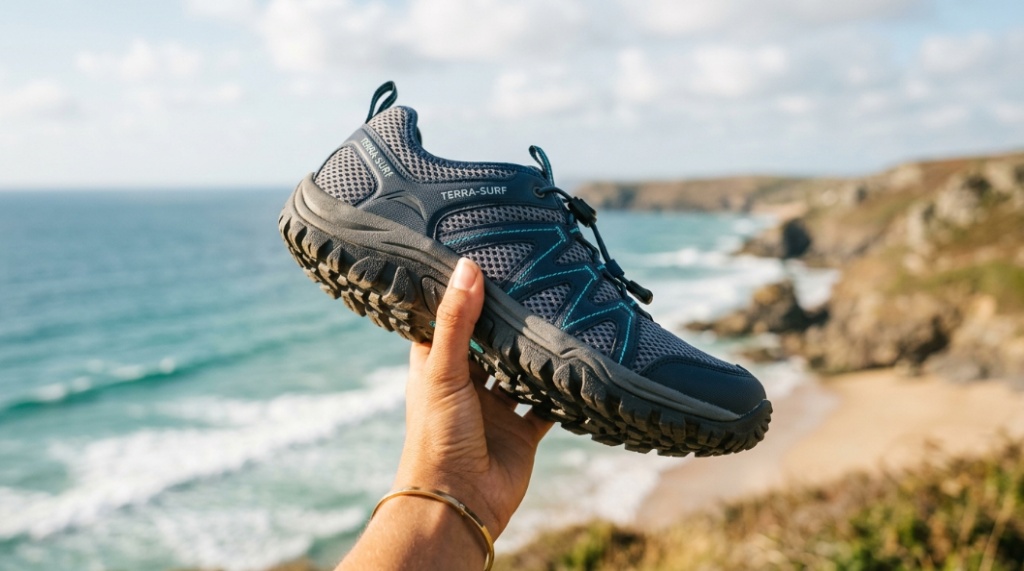
Cold water, volcanic beaches, reef breaks, shell-heavy coastlines, and slippery rock shelves require surf shoes the most.
Certain surf environments dramatically increase injury risk without footwear.
- Hawaii-style lava rock beaches
- Coral reef surf spots
- Cold Pacific coastlines
- Barnacle-covered jetties
- Tidal rock pools
- Steep rocky shoreline entries
Even tropical beaches can become dangerous during low tide when exposed reef surfaces create sharp walking conditions.
How Long Do Quality Comfort Surf Shoes Typically Last?
High-quality comfort surf shoes typically last one to three years depending on surf frequency, terrain, and maintenance.
Rocky beaches wear footwear faster due to abrasive surfaces and saltwater exposure.
To extend lifespan:
- Rinse with fresh water after use
- Air dry completely
- Avoid direct prolonged sun exposure
- Do not store wet inside bags
- Inspect seams regularly
Surfers who rotate between two pairs often experience significantly longer product life.
Conclusion: Are Comfort Surf Shoes Worth It for Rocky Beaches?
Yes. Comfort surf shoes are one of the smartest investments for surfers dealing with rocky coastlines, reef entries, slippery tide pools, and uneven shoreline terrain.
The best-performing beach water shoes combine grip, flexibility, drainage, and protection without sacrificing comfort or surf performance. Testing across rocky beach conditions showed that proper surfing footwear reduces fatigue, improves stability, and helps prevent common injuries like reef cuts and slips.
Whether you surf cold-water reef breaks or tropical volcanic beaches, the right footwear can make sessions safer and more enjoyable. Premium models consistently outperformed cheap alternatives in durability and traction, especially during repeated saltwater exposure.
If you regularly surf rocky beaches, choosing purpose-built surf shoes is not just about comfort. It is about confidence, mobility, and long-term foot protection.
Before your next surf trip, evaluate your local shoreline conditions carefully and choose footwear designed specifically for those environments. The difference becomes obvious the moment you step onto wet rock.
FAQ: Comfort Surf Shoes and Beach Water Shoes
What are the best comfort surf shoes for rocky beaches?
The best comfort surf shoes for rocky beaches are neoprene-based surf boots or hybrid reef shoes with strong rubber grip, flexible soles, and quick drainage systems.
Can you surf while wearing beach water shoes?
Yes. Many modern beach water shoes are designed specifically for surfing and provide traction, foot protection, and flexibility during surf sessions.
Do surf shoes affect board feel?
High-quality surf shoes minimally affect board feel because they use thin flexible soles designed for natural foot movement and responsiveness.
Are surf shoes necessary for reef breaks?
Surf shoes are highly recommended for reef breaks because they help protect against coral cuts, slippery rocks, sea urchins, and uneven shoreline terrain.
How tight should surf shoes fit?
Surf shoes should fit snugly without causing discomfort. Loose-fitting shoes can slip off during waves or create friction that leads to blisters.
What is the difference between surf shoes and regular water shoes?
Surf shoes are designed specifically for surfing conditions with better grip, improved ankle security, stronger board feel, and enhanced durability in saltwater environments.
Can surf shoes be used for other water sports?
Yes. Most comfort surf shoes work well for kayaking, snorkeling, paddleboarding, beach walking, and coastal hiking.
Slug:
📌 Related Reads
Explore: How to Teach Hurdle Techniques: A Comprehensive Guide for Coaches and Athletes




Leave a Reply