
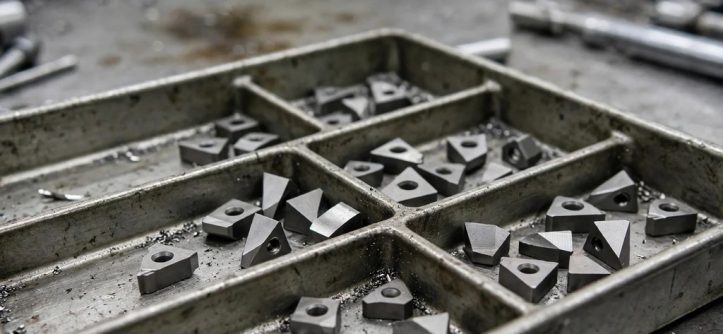
Look inside a machine shop’s scrap bin and you may find a handful of tiny, shiny inserts that are worth more per pound than almost anything else in the room. Most people throw them out with the steel chips.
The carbide scrap price is high compared with ordinary scrap metals, and it attracts plenty of questions because general scrap yards often cannot price it properly. This guide explains what carbide is, what drives its value, and how to prepare it for a buyer who actually wants it.
What is carbide scrap?
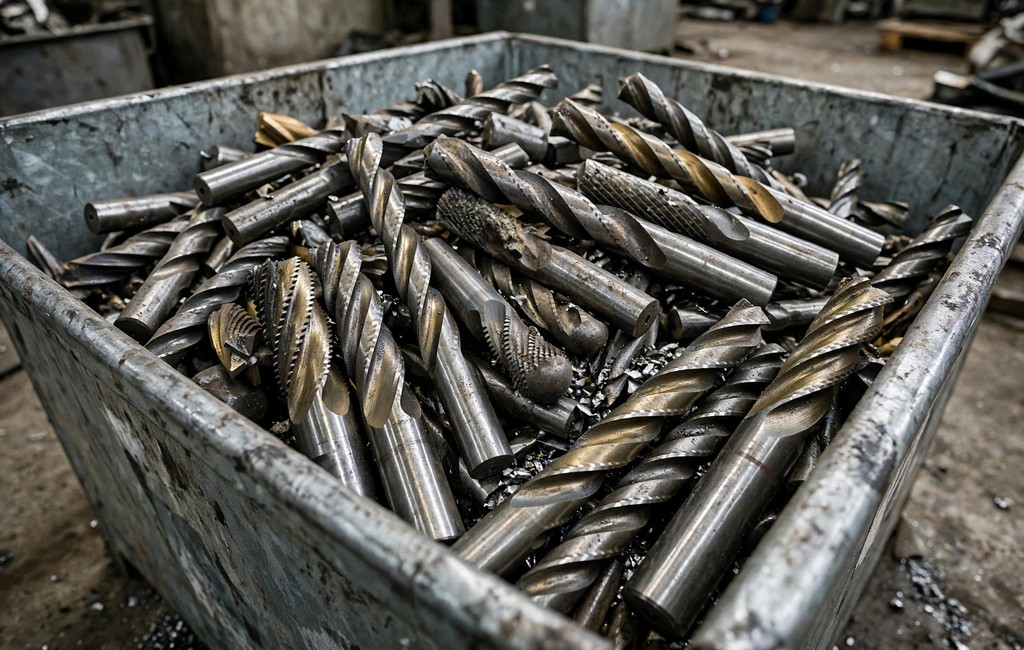
Most industrial carbide is tungsten carbide, a very hard compound of tungsten and carbon, bonded with a metal such as cobalt. It is used for cutting inserts, drills, end mills, saw tips, wear parts, and mining tools. Because it holds an edge far better than steel, shops buy it constantly, and they generate worn and broken pieces constantly too.
Scrap carbide is valuable because the tungsten in it is a strategic metal that can be recovered and reused. Recyclers process used tools into powder or reclaimed material for new carbide products.
Carbide scrap price: what is a realistic range?
Published ranges for tungsten carbide scrap often fall in the range of several dollars per pound, with industry sources describing figures in the neighborhood of five to ten dollars for good material, and some reports quoting higher or lower depending on the period. Prices move with the tungsten and cobalt markets, so numbers from last year may not apply today.
For a quick illustration, if a recycler offered a hypothetical $7 per pound, a 25-pound lot of clean inserts would bring $175. That is far above what the same weight of steel or even aluminum would earn, which is why carbide is worth separating properly.
Why can’t general yards price carbide?
Many local yards focus on steel, copper, aluminum, and brass, and they do not have a buyer for specialty alloys. Some simply decline carbide. Others offer a low price because they cannot verify the content. Machine shop owners often learn that selling to a carbide recycler directly produces a much better return than trying to sell at a general yard.
What determines value?
- Tungsten and cobalt content: Higher recoverable content typically means a higher price.
- Form: Solid, clean sintered pieces are valued above brazed tools with steel shanks.
- Cleanliness: Oil, dirt, and coating residue can reduce value, and mixed grades may be paid at the lower rate.
- Contamination: High-speed steel, ceramics, and diamond tooling mixed in can lower the price or cause the lot to be rejected.
- Quantity: Larger, regular lots often earn better terms.
- Market: Tungsten and cobalt prices drive the overall rate.
How to identify carbide

Carbide is extremely dense and heavy for its size, roughly twice as heavy as steel. A drill bit with a dull gray tip brazed to a steel body is a classic example. Be careful not to confuse it with high-speed steel, which is also used for cutting tools but is strongly magnetic and worth far less. Carbide is generally only weakly attracted to a magnet, if at all, depending on its binder. A buyer with an analyzer can confirm the content quickly.
How to prepare carbide for sale
- Sort by type: Keep solid carbide pieces, brazed tools, and inserts in separate labeled containers.
- Remove other metals: Keep high-speed steel, aluminum, and diamond tools out.
- Degrease: Wipe or wash off cutting fluid where practical.
- Use sturdy containers: Heavy lots belong in strong, sealed drums or buckets.
- Weigh and photograph: A clear record helps you get a faster quote and check the final settlement.
Where to sell scrap carbide
Look for dedicated carbide recyclers and tool manufacturers that run take-back programs. Some tool suppliers will buy back or credit used inserts, and several national buyers accept shipments from shops. Ask each buyer about grade categories, minimum quantities, payment timing, and whether they pay by weight or by assay. Get at least two quotes, and ask how they handle disputes about content.
Frequently asked questions
Is carbide worth more than steel scrap?
Yes, by a very wide margin. Carbide pays dollars per pound, while ordinary steel pays pennies per pound.
Is tungsten carbide the same as tungsten?
No. Tungsten carbide is a compound used in tools. Pure tungsten is a different material with its own market, though both are tied to the tungsten supply.
How do I tell carbide from high-speed steel?
Carbide is much heavier for its size and weakly magnetic at most, while high-speed steel is strongly magnetic and lighter.
Do I need a minimum amount to sell carbide?
Many buyers set minimums for shipment or pickup. Smaller shops often save material until they reach the buyer’s threshold.
Can I sell brazed carbide tools?
Yes, but they are usually priced lower than solid carbide because of the steel body. Ask buyers how they grade them.
Start collecting
Set up a labeled bin for carbide today so it stops disappearing into the steel pile. When you have a meaningful amount, request quotes from two specialist buyers. Tell us in the comments what type of tooling you have and we will help you organize it. Subscribe for more practical scrap price guides.



Leave a Reply