
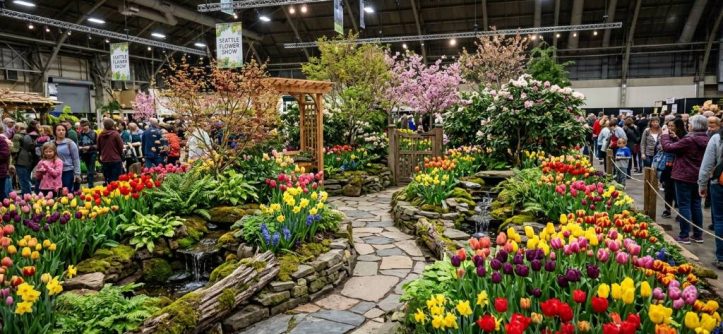
Spring starts early in Seattle. The Northwest Flower and Garden Festival 2027 will fill the Seattle Convention Center from February 17 to 21, 2027. Over five days, visitors can walk through full-size gardens, shop for rare plants, and learn from expert speakers. Whether you grow roses on a balcony or manage a large yard, you will find ideas to take home.
This guide covers dates, tickets, exhibits, seminars, activities, and practical tips. Additionally, it includes a sample schedule, a comparison table, and answers to common questions. Read it before you go, and your visit will run smoothly.
Festival Overview and Key Dates
The show runs Wednesday through Sunday. February 17 is a Wednesday, so the festival covers a midweek day and a full weekend. Therefore, you can choose a quiet weekday or a lively weekend, depending on your style.
| Detail | What to Know |
| Dates | February 17–21, 2027 (Wednesday to Sunday) |
| Location | Seattle Convention Center, downtown Seattle, Washington |
| Main attractions | Display gardens, plant marketplace, floral design, seminars |
| Best for | Home gardeners, designers, families, plant collectors |
| Daily hours | Check the official festival website before you go |
| Prices | Check the official festival website for current rates |
Organizers often update schedules, speakers, and prices close to the opening day. However, the dates above stay fixed. Therefore, treat the official website as your final source for details.
Why This Garden Show Is Worth Your Time
February can feel gray and long in the Pacific Northwest. A garden show brings color back early. You walk into a warm hall filled with blooms, and suddenly spring feels close. Therefore, many local gardeners treat the event as the real start of their season.
The show also saves you effort. Instead of visiting ten nurseries, you meet dozens of growers in one place. You compare plants, ask questions, and learn what works in local soil. Moreover, you leave with a list of ideas for your own yard.
Tickets and Admission
Ticket Types to Expect
Past shows have offered several admission options. Prices and packages can change each year, so verify the latest rates online. Nevertheless, the table below shows the usual choices and who they suit.
| Ticket Option | Best For | Helpful Tip |
| Single-day admission | First-time visitors and quick trips | Buy online to skip the longest lines |
| Multi-day or return pass | Serious gardeners who want to see everything | Compare the cost with two single tickets |
| Seminar add-on | Anyone who wants hands-on learning | Choose sessions before you arrive |
| Discounted rates | Seniors, students, and children | Bring valid identification |
| Group tickets | Garden clubs and community groups | Contact the organizers early |
How to Save Money
A little planning cuts costs. First, look for early-bird offers on the official site. Second, check local garden shops, which sometimes share discount codes. Third, use public transit to avoid parking fees. In addition, bring a reusable bag, because it saves money on plant purchases.
- Buy tickets online before the show opens.
- Ask about group and senior rates.
- Watch for partner offers from nurseries and garden clubs.
- Travel with friends and share a ride.
Exhibits and Show Gardens
Display Gardens
The display gardens are the heart of the festival. Landscape designers build them inside the convention hall in just a few days. You will see paths, ponds, stone walls, trees, and thousands of blooms. Moreover, each garden shows a different style, from calm woodland spaces to bold modern patios.
Spend time at each display. Notice how designers combine color, texture, and height. Many visitors snap photos of plant pairings and then copy them at home. Furthermore, designers often stand nearby and answer questions about materials and costs.
Garden Marketplace
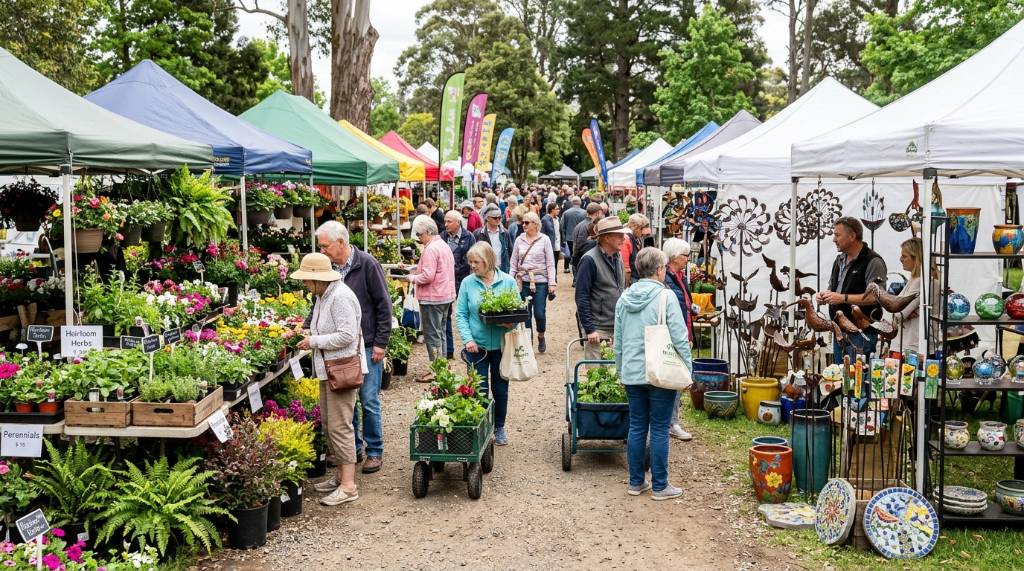
The marketplace gives you a chance to shop under one roof. Vendors sell plants, bulbs, seeds, tools, pottery, garden art, and outdoor furniture. Many sellers come from the Pacific Northwest, so the plants suit local conditions. As a result, you can buy with confidence.
- Rare and unusual plants from specialty growers
- Bulbs, seeds, and starter plants for spring planting
- Hand tools, gloves, and soil products
- Garden art, birdhouses, and handmade gifts
Floral Design and Artistic Displays
Floral designers add color and drama. Past shows have featured arrangements, living walls, and creative installations. These displays change each year, so expect fresh ideas. Likewise, cut flowers and arrangements often appear in the marketplace, which makes a bouquet an easy souvenir.
Plant Sales and Special Collections
Plant societies and local groups often show their best specimens. You may spot orchids, ferns, succulents, and alpine plants. Therefore, the show works well for collectors. Talk to the growers. They love to share care tips and will tell you which varieties thrive in cool, wet winters.
Seminars and Learning Sessions
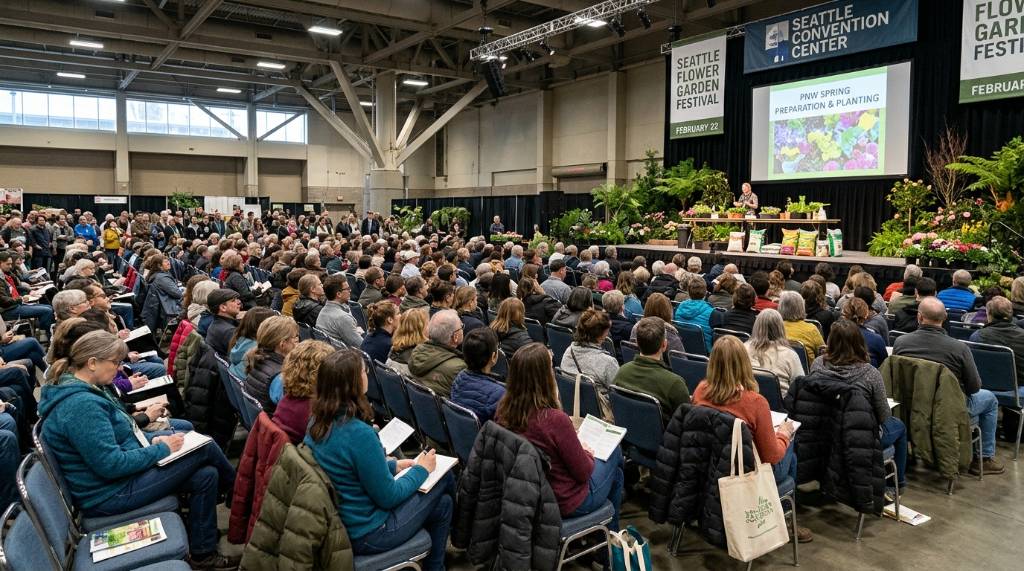
Education sits at the center of this event. Each day, speakers lead talks on topics that range from basic soil care to advanced design. Sessions usually last about an hour, and most speakers leave time for questions.
Popular Seminar Topics
- Growing food in small spaces
- Pollinator-friendly planting
- Pruning trees and shrubs the right way
- Container gardens for patios and balconies
- Native plants for Northwest yards
- Pest control without harsh chemicals
- Garden design for beginners
How to Choose the Right Seminar
Seats fill fast for popular speakers. Therefore, review the schedule before you arrive and mark your top three choices. Arrive early for those talks. Meanwhile, keep a backup session in mind, in case a room reaches capacity. Bring a notebook, because many speakers share plant lists and quick tips worth saving.
Beginners should start with design basics and soil health. Experienced gardeners, however, may prefer advanced talks on rare plants or garden planning. Either way, a single good session can save you a season of trial and error.
Activities for Every Visitor
Hands-On Workshops and Demonstrations
Live demonstrations let you watch experts at work. Presenters may show how to plant a container, build a fairy garden, or make a simple arrangement. Because these sessions are practical, you can try the same steps at home right away.
Family and Kid-Friendly Fun
Families will find plenty to enjoy. Children can explore the gardens, look for bugs and birds, and join simple crafts when organizers offer them. In addition, the colorful displays keep young visitors curious. Bring snacks and take breaks, since a convention hall can tire small legs.
Book Signings and Meet-the-Experts Time
Authors and garden experts often sign books and chat with fans. This is a rare chance to ask a question face to face. Furthermore, you can pick up a signed gift for a gardening friend.
Photography and Social Sharing
The gardens make beautiful backdrops. Check the posted photo rules, then take your pictures. For best results, shoot early in the day when crowds are thin. Tag the festival online so other fans can follow along.
Visitor Tips for a Smooth Day
Getting There and Parking
The convention center sits in downtown Seattle, so you have several travel options. Light rail and buses stop near the area. Consequently, many locals leave the car at home. If you drive, expect paid parking in nearby garages, and arrive early on weekends.
| Travel Option | Advantages | Things to Consider |
| Light rail or bus | Low cost and no parking stress | Plan for carrying plants on the way home |
| Driving | Easy for large purchases | Garages cost money and fill quickly |
| Rideshare | Door-to-door convenience | Prices rise at busy times |
| Walking from a hotel | No transport needed | Check the weather first |
Best Time to Visit
Weekday mornings are usually the calmest. You can enjoy the gardens with fewer people and talk longer with vendors. Weekends, however, bring more energy, more seminars, and bigger crowds. Therefore, pick the day that matches your mood.
What to Wear and Bring
- Comfortable shoes, because you will walk and stand a lot
- Layers, since the hall temperature changes
- A sturdy reusable bag or a folding cart for purchases
- A water bottle and light snacks
- A notebook, phone, and charger
- Cash and a card for small vendors
Shopping Smart in the Marketplace
Walk the full marketplace before you buy anything. Prices and plant quality vary from booth to booth. Next, make a short list of must-have items. Then return to the booths you liked best. This simple routine prevents impulse buys and keeps your budget on track.
Ask each grower about hardiness, sun needs, and watering. Additionally, check roots and leaves for signs of health. Many sellers wrap plants for the trip home, but you should still bring your own bags. If you plan a large purchase, ask whether the vendor offers holding or delivery services.
Make It a Seattle Weekend
Downtown Seattle offers plenty to do before or after the show. Visit Pike Place Market, walk along the waterfront, or enjoy a local coffee shop. Therefore, a day at the festival can grow into a relaxed city getaway. Hotels fill quickly during busy weekends, so book early.
Accessibility and Comfort
Visitors with mobility needs should review accessibility details on the official site. Many convention centers offer ramps, elevators, and rest areas. Additionally, you can contact the organizers ahead of time with specific questions.
Sample One-Day Plan
| Time | Activity |
| Morning | Arrive at opening, tour the display gardens while crowds are light |
| Midday | Attend your first seminar, then eat lunch |
| Early afternoon | Shop the marketplace and talk with growers |
| Late afternoon | Join a demonstration or book signing |
| Before leaving | Revisit your favorite garden and collect your purchases |
Conclusion
The Northwest Flower and Garden Festival 2027 offers five days of color, learning, and fresh ideas. Mark February 17–21, 2027 on your calendar. Explore the show gardens for design inspiration, shop the marketplace for plants, and attend seminars to sharpen your skills. Additionally, plan your travel, buy tickets early, and wear comfortable shoes. Finally, confirm hours and prices on the official website. With a little preparation, you will leave inspired and ready for spring.
Frequently Asked Questions
1. When is the Northwest Flower and Garden Festival in 2027?
The festival runs from February 17 to 21, 2027. It starts on a Wednesday and ends on a Sunday.
2. Where does the festival take place?
It takes place at the Seattle Convention Center in downtown Seattle, Washington.
3. How much do tickets cost?
Prices change from year to year. Check the official website for current rates, discounts, and package options.
4. Can I buy tickets at the door?
Past shows have sold tickets on site. However, online tickets usually save time and sometimes save money.
5. What can I see at the show?
You can see display gardens, floral designs, a large plant marketplace, art, and live demonstrations.
6. Are seminars included with admission?
Many talks come with general admission, but some workshops may cost extra. Review the schedule and rules before you go.
7. Is the festival good for children?
Yes. Colorful gardens and simple activities interest many kids. However, the hall can get crowded, so plan breaks.
8. Can I buy plants and take them home?
Yes. Vendors sell plants, bulbs, and tools. Bring a bag or cart, and check the rules for carrying plants.
9. What is the best day to visit?
Weekday mornings are quieter. Weekends offer more energy but also bigger crowds.
10. How long should I plan to stay?
Most visitors spend four to six hours. Dedicated gardeners may want a full day or a second visit.



Leave a Reply