
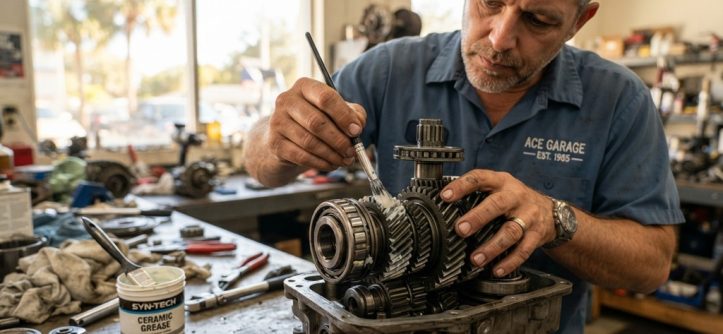
Living in Florida presents a unique challenge for anyone who relies on smooth-moving machinery, whether it’s a high-end skateboard, a salt-exposed bicycle, or industrial equipment. The combination of humidity, heat, and corrosive coastal air can turn standard lubricants into gritty, ineffective pastes in a matter of weeks. If you are searching for a low friction ceramic grease Florida residents can actually rely on, you have likely discovered that local shelves are stocked with generic options that simply don’t cut it. This guide cuts through the noise to help you source, evaluate, and apply the right ceramic grease for your specific needs, ensuring your equipment performs flawlessly regardless of the Florida climate.
Why Standard Grease Fails in Florida’s Climate
Before you spend money on a premium product, it helps to understand why your current lubricant is failing. Florida’s environment is essentially a stress test for any petroleum-based product. The high ambient humidity introduces moisture into bearing housings, leading to rust and oxidation. Meanwhile, the heat thins out conventional oils, causing them to run off and leave metal surfaces unprotected.
Ceramic grease differs fundamentally because it uses synthetic base oils thickened with a specialized soap, often lithium complex, and infused with microscopic ceramic or boron nitride particles. These particles act like microscopic ball bearings, reducing friction even under extreme pressure. Unlike standard grease, it doesn’t wash away easily and maintains its consistency across a wide temperature range, making it ideal for the unpredictable Florida weather patterns.
Evaluating Your Specific Application Needs
Not all ceramic greases are created equal, and the “best” option depends entirely on what you are lubricating. A product designed for automotive brake calipers might be too thick for a precision skateboard bearing. Understanding the load, speed, and environmental exposure is the first step in the selection process.
High-Speed vs. High-Load Applications
For high-speed applications like bicycle hubs or skateboard wheels, you need a grease with a lower viscosity base oil. This reduces drag and allows the bearings to spin freely. Look for products labeled as “light” or “low-drag.” Conversely, for high-load applications like automotive suspension components or heavy machinery, you need a grease with a higher viscosity and stronger film strength to prevent metal-on-metal contact.
Saltwater and Corrosion Resistance
If you live near the coast or ride on the beach, corrosion resistance is non-negotiable. Standard greases often lack the necessary rust inhibitors to combat salt spray. Ceramic greases with high-quality synthetic bases and specific anti-corrosion additives are essential. They create a barrier that repels moisture and prevents the galvanic corrosion that can seize bearings permanently.
Sourcing High-Performance Ceramic Grease in Florida
Finding specialized lubricants across Florida often requires targeting specific local suppliers rather than general retailers. While big-box auto supply stores typically stock basic lithium or synthetic options, they rarely carry the high-performance ceramic formulations essential for precision equipment and harsh marine environments. To source these premium heat- and friction-resistant compounds locally, turn to specialized marine supply shops, high-end bicycle retailers, or industrial performance outfitters across the state especially when preparing your gear for relentless saltwater exposure. Pairing these advanced friction-reducing lubricants with properly chosen components ensures maximum lifespan, and if you are building gear built to withstand the elements, discover how to seamlessly integrate these protective measures in our detailed guide on assemble a corrosion resistant fishing kit.
Specialty Bicycle and Skate Shops
Your local bike shop is often the best resource for high-quality ceramic grease. These shops cater to cyclists who demand low rolling resistance and durability. They typically stock reputable brands like Finish Line, Muc-Off, or Dumonde Tech. Similarly, dedicated skateboard shops that service high-end longboards often carry specific bearing lubricants that perform exceptionally well.
Industrial Supply and Bearing Distributors
For industrial-grade applications, look for bearing distributors or industrial supply houses. Companies like Motion Industries or Applied Industrial Technologies have locations throughout Florida. They carry brands like Kluber, SKF, and Mobil, which offer advanced ceramic and synthetic greases designed for extreme conditions. These are often the best choices for heavy-duty equipment.
Online Retailers with Fast Florida Shipping
Often, the most efficient way to find a specific product is online. However, shipping to Florida during the summer can expose grease to high temperatures in transit. Stick to reputable online retailers who store their products in climate-controlled warehouses. If you are looking for a specific recommendation for your bicycle or skateboard, you can find a detailed breakdown of top-tier options in this guide on low friction ceramic grease Florida enthusiasts trust.
Key Criteria for Selecting the Right Product
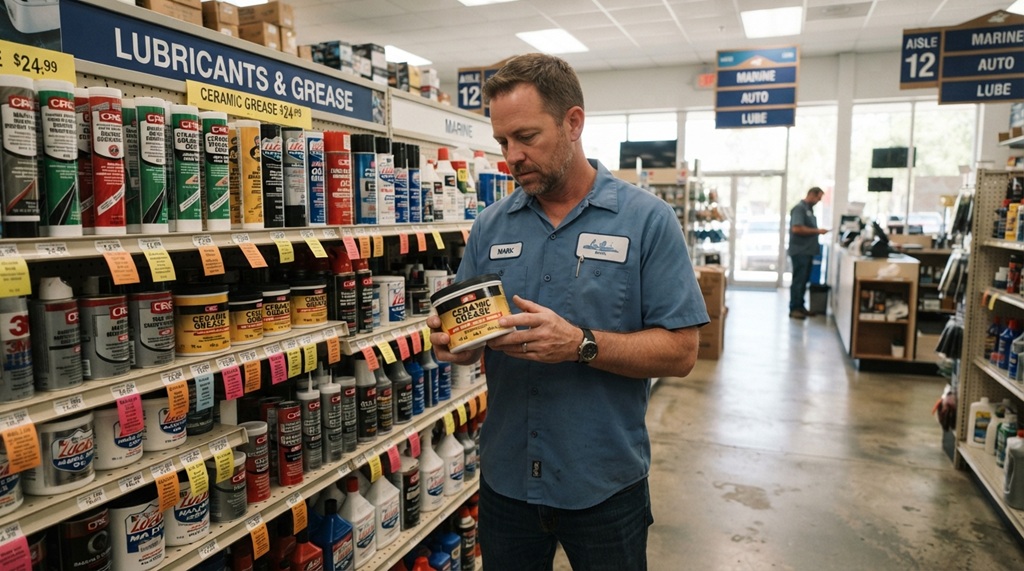
When you are staring at a shelf of different greases, it is easy to get overwhelmed. Use these criteria to narrow down your options and make an informed purchase.
- Base Oil Type: Always choose a 100% synthetic base oil (PAO, Ester, or Alkylated Naphthalene). Synthetic oils offer superior thermal stability and oxidation resistance compared to mineral oils.
- Thickener Type: Lithium complex is the industry standard for high-performance greases. Polyurea thickeners are also excellent for high-speed applications and offer longer life.
- Temperature Range: Check the operating temperature range. A good ceramic grease should handle from -40°F to over 400°F. This ensures it remains fluid in cooler winter months and doesn’t break down in the summer heat.
- NLGI Grade: This indicates the consistency or hardness of the grease. NLGI #2 is the most common and versatile grade for general use. For precision bearings, you might prefer NLGI #1 or #0, which are softer and create less drag.
- Additive Package: Look for anti-wear (AW) and extreme pressure (EP) additives. These protect against micro-pitting and scoring under heavy loads.
Step-by-Step Application Guide
Even the best grease will fail if applied incorrectly. Over-packing a bearing is a common mistake that creates drag and causes the grease to churn and heat up. Here is the correct method for applying ceramic grease to a standard bearing.
- Clean Thoroughly: Remove all old grease and dirt. Use a solvent like isopropyl alcohol or a dedicated degreaser. Let the parts dry completely.
- Apply Sparingly: For a standard 608 skateboard bearing or bicycle hub, you only need a pea-sized amount of grease. For larger industrial bearings, fill the space between the rollers and the cage, but do not fill the entire housing.
- Distribute Evenly: Spin the bearing slowly to distribute the grease evenly across all the rolling elements. This ensures a consistent film without excess.
- Wipe Away Excess: Remove any grease that oozes out of the seals. The grease should be working inside the bearing, not on the outside.
- Reassemble: Put the equipment back together and spin it to check for smooth operation. It should feel quiet and free-spinning.
Common Mistakes and Misconceptions
There is a lot of misinformation regarding ceramic grease. Understanding what it is and what it isn’t will save you time and money.
The “Ceramic” Myth
Many people believe that ceramic grease contains solid ceramic particles that act like tiny ball bearings. While some products do contain solid lubricants like boron nitride, many “ceramic” greases actually refer to the fact that they are designed for use with ceramic bearings. The term often signifies a high-quality synthetic grease that provides the low friction necessary to complement the hardness of ceramic balls.
Mixing Greases
Never mix ceramic grease with lithium-based or other incompatible greases. Different thickeners can react chemically, causing the grease to separate or harden. If you are switching to a ceramic grease, you must completely clean the bearing and repack it from scratch.
Frequently Asked Questions
Can I use ceramic grease on my car’s wheel bearings?
Yes, many ceramic greases are rated for automotive use. However, ensure the product is specifically rated for wheel bearings and has a high dropping point to withstand the heat generated by braking. It is an excellent choice for high-performance vehicles.
How often should I reapply ceramic grease?
This depends on usage and environment. In a high-humidity area like Florida, bicycle bearings should be cleaned and re-greased every 3-6 months. Industrial applications can last years, but regular inspection is recommended to check for contamination.
Is ceramic grease waterproof?
Most high-quality ceramic greases are highly water-resistant. They are designed to repel moisture and wash out, making them ideal for marine environments and rainy conditions. Always check the specifications for “water washout resistance” ratings.
Does ceramic grease reduce friction in skateboard bearings?
Absolutely. The synthetic base oils and friction modifiers in ceramic grease significantly reduce rolling resistance compared to standard mineral oil greases. This translates to faster speeds and longer roll times, which is why it is the preferred choice for serious skaters.
Can I use ceramic grease on plastic or nylon components?
Generally, yes. Ceramic grease is typically safe for most plastics and elastomers. However, always check the product datasheet to ensure compatibility with the specific polymer you are using, as some synthetic oils can cause swelling in certain rubbers.
Conclusion
Finding the right low-friction ceramic grease in Florida doesn’t have to be a guessing game. By understanding the unique demands of the local climate, evaluating your specific application, and knowing where to look, you can significantly extend the life and performance of your equipment. Remember to prioritize synthetic bases, check the NLGI grade, and apply the grease sparingly for the best results. Whether you are a cyclist battling coastal winds or an engineer maintaining critical machinery, investing in a high-quality ceramic grease is a small step that yields massive performance dividends. Take the time to clean your components and make the switch today; your bearings will thank you.




Leave a Reply