
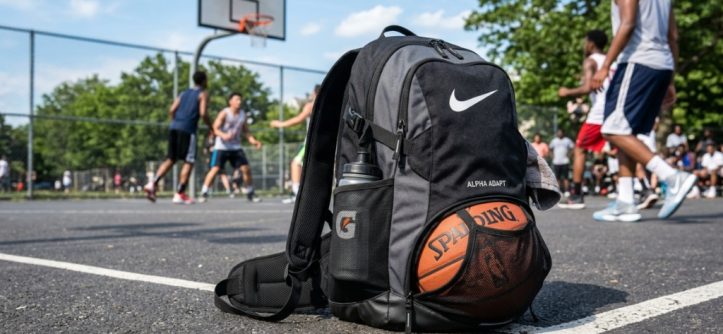
Texas summers don’t play fair. One minute you’re walking to the gym in 100-degree heat, and the next you’re wondering why your gym bag smells like a locker room left out in the sun. If you’ve replaced two backpacks in the last year due to broken zippers, melted lining, or moisture damage, you know the struggle. The real issue isn’t just finding any bag—it’s finding a durable basketball backpack for Texas that can survive the triple-digit temperatures, sudden humidity spikes, and the daily grind of hauling shoes, a ball, and sweaty gear. This guide breaks down exactly what materials, features, and designs actually hold up in the Lone Star State climate.
What Makes a Basketball Backpack “Durable” in Texas Weather?
A durable basketball backpack for Texas needs more than thick fabric. It requires heat-resistant materials, corrosion-proof hardware, and ventilation systems that fight bacterial growth. Standard polyester bags often break down under UV exposure and constant moisture, leading to peeling layers and broken straps within months.
Heat-Resistant Fabric Technologies
Look for ballistic nylon (1000D or higher) or tarpaulin-coated polyester. These materials resist UV degradation better than standard Oxford cloth. Ripstop weaves also prevent small tears from spreading after repeated sun exposure. Avoid bags with thin PVC coatings—they get sticky and brittle in Texas heat.
Hardware That Survives Humidity
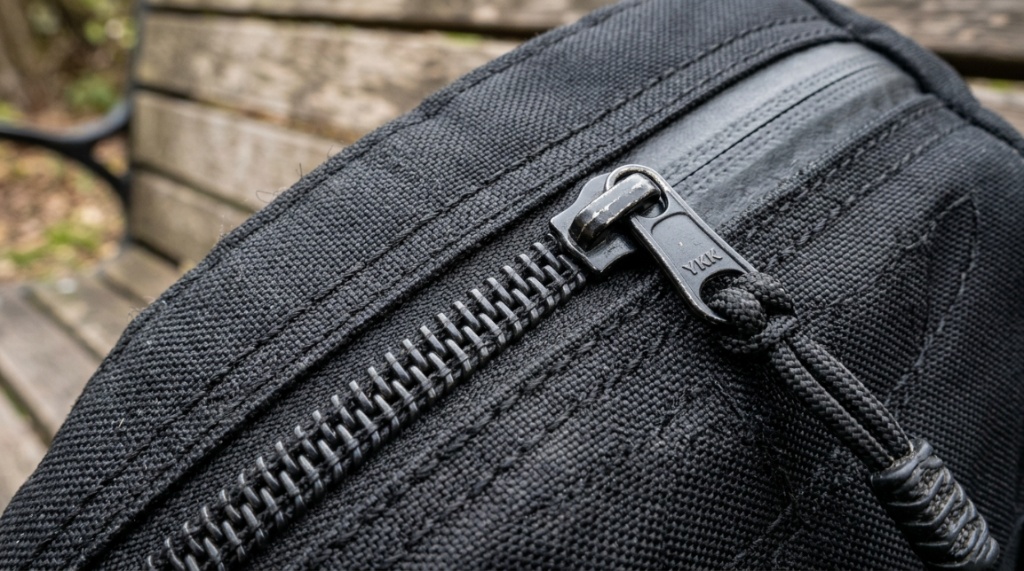
Plastic buckles become brittle after repeated 100-degree days. Choose bags with metal zippers (YKK brand preferred) and reinforced stress points. Look for rust-proof coatings on metal parts. The best bags use corrosion-resistant alloys for carabiners and D-rings.
Moisture-Wicking Interior Linings
Standard nylon lining traps sweat and moisture, creating bacteria colonies. High-end bags now use silver-ion infused linings or mesh separators that allow airflow. This reduces odor and prevents mold from forming on your shoes or jersey during humid Texas evenings.
Why Standard Gym Bags Fail in Texas Heat
Most gym bags are designed for mild climates. They use materials that soften at 95°F and adhesives that melt at 110°F. A regular backpack might survive a Chicago summer but will delaminate or warp within five Texas months.
The Science of Heat Damage
At 100°F+, the glue holding your bag’s internal compartments breaks down. The heat also causes plastic liners to off-gas, which creates that “new car” smell that turns sour with sweat. Over time, heat exposure makes the entire structure lose shape and support.
UV Radiation and Fabric Fading
Texas gets 300+ sunny days annually. UV rays break down synthetic fibers, causing them to lose tensile strength. A bag left in your car for just two hours becomes 30% weaker. UV-resistant coatings or darker colors slow this process dramatically.
Sudden Temperature Swings
Texas often swings from 100°F afternoons to 70°F evenings. This temperature cycling causes materials to expand and contract, weakening stress points like shoulder strap attachments. Thermal-shock resistant materials handle these swings without cracking.
Which Materials Actually Last in Texas Climate?
For a durable basketball backpack for Texas, prioritize materials with high melting points and UV stabilizers. The top performers include laminated nylon, TPU-coated fabrics, and heavy-duty canvas with waterproof treatments. These materials maintain flexibility across extreme temperature ranges.
TPU-Coated Polyester vs. PVC
| Material | Heat Tolerance | Humidity Resistance | Lifespan in TX |
|---|---|---|---|
| TPU-coated Polyester | Excellent (up to 140°F) | Superior | 1-2 years |
| PVC-coated Polyester | Poor (softens at 95°F) | Moderate | 4-6 months |
| 1000D Ballistic Nylon | Excellent | Very Good | 2-3 years |
| Standard Oxford 600D | Moderate | Poor | 6-8 months |
Thread and Stitching Type
Bonded nylon thread resists melting and UV degradation better than polyester thread. Bar-tack stitching at high-stress points prevents seam failure. Look for bags with double-stitched handles and reinforced webbing loops.
Water Resistance vs. Breathability
Complete waterproofing can trap internal heat. Look for bags with vented external pockets or laser-cut perforations. These allow airflow while maintaining water resistance. The ideal balance prevents both water ingress and internal condensation.
How to Test a Backpack’s Build Quality Before Buying
Don’t rely on brand claims. Test the zipper tension, feel the base thickness, and check the strap webbing flexibility. A durable basketball backpack for Texas should have a stiff base that holds shape at 120°F, not just in an air-conditioned store.
The 30-Second Flexibility Test
Bend the bottom panel backward. If it creases or turns white, the coating will crack within weeks. Quality materials flex without stress marks. Also, pull the shoulder straps hard—they should stretch only slightly and return to their original shape.
Zipper Stress Evaluation
Unzip and zip the main compartment 20 times rapidly. Listen for grating sounds and feel for catches. Good zippers feel smooth even under tension. Also test the zipper pull tab—it should have enough grip for sweaty fingers, To round out your training gear for hot weather conditioning, make sure to read our guide on choosing the Best Agility Ladder for Athletes to improve your speed and footwork outdoors.
Heat Gun Spot Check
Use a hair dryer on high heat for 30 seconds on the bag’s outer layer. If the color fades or the texture becomes sticky, the material isn’t heat-treated. Reputable brands use heat-stabilized fabrics that pass this simple test.
Key Features for Shoe Compartments in Hot Climates
Shoe compartments are the most vulnerable part of any basketball backpack. In Texas heat, your shoes create condensation that pools at the bottom. The best designs include drain holes or anti-microbial coatings. Without these, your bag will smell within three weeks.
Separated Ventilated Shoe Zones
Look for a shoe compartment with its own zippered ventilation panel or mesh window. This allows vapor to escape without exposing your clean gear. External shoe compartments perform better in heat because they don’t share air with other items.
Easy-Clean Interior Surfaces
Choose a shoe area with wipeable lining or a removable base tray. This lets you remove and rinse out dirt and sweat residue. Some premium bags include a waterproof liner that can be hosed off entirely.
Compression Straps for Gear Shifting
Internal compression straps keep shoes vertical against the back panel, preventing them from crushing water bottles or deodorant. This also improves weight distribution when you’re walking across a hot parking lot.
How Does Ventilation Impact Odor Control?
In Texas, sweat evaporates fast but bacteria multiply faster. A standard sealed backpack becomes an incubator. Proper ventilation creates air channels that dry out gear between uses. This reduces bacterial growth by up to 70%.
Mesh Panels and Airflow Channels
Backpacks with padded mesh back panels serve double duty—they cool your spine and ventilate the main chamber. Look for bags with raised foam channels that allow air to pass between the bag and your back.
Activated Carbon and Anti-Microbial Layers
Some premium bags include removable activated carbon pouches or linings infused with copper oxide. These actively neutralize odor-causing bacteria. While not permanent, they extend the time between deep cleanings significantly.
Drying Time Acceleration
Hanging loops inside the bag allow you to air dry your shoes or clothes after practice. This simple feature reduces moisture retention time by hours, which is critical for daily use in humid Southeast Texas areas.
When Should You Replace Your Basketball Backpack in Texas?
Even the most durable basketball backpack for Texas has a lifespan. Look for three warning signs: fading fabric, zipper slippage, or a permanently misshapen base. If your straps dig into your shoulders despite adjustment, the foam padding has compressed from heat exposure.
Visible UV Damage Indicators
If the outer fabric shows color gradient changes, especially on the top panel, the UV stabilizers have failed. This embrittlement will soon cause rips. Catching it early lets you transfer your gear before a mid-parking-lot failure.
Hardware Malfunctions
Frequent zipper catches, buckles that don’t stay clicked, or strap adjusters that slip under load are critical failure signs. These components wear faster in heat, especially if you leave your bag in the car between games.
Structural Collapse When Empty
When the bag can’t stand upright on its own, the bottom panel has lost its rigidity. This means the internal frame is compromised. Continuing to use it risks damaging your ball or laptop from lack of padding support.
Can You Use a Beach or Swim Backpack as a Basketball Bag?
Technically yes, but it’s a poor substitute. Swim backpacks prioritize water drainage but lack the reinforced shoe compartments and weight distribution needed for basketball gear. They also typically have thin straps that dig into shoulders.
Material Comparison
Most swim bags use thin PVC or EVA foam that becomes flexible and fragile in extreme heat. They don’t have the same abrasion resistance for daily ground drops. A standard swim bag won’t survive a full season of weekly courts.
Organizational Differences
Basketball backpacks have specialized pockets for balls, shoes, and valuables. Swim bags usually have one open main compartment. This forces you to stack gear, which can crush your sunglasses or dent your water bottle.
When It Might Work
If you only carry a ball and shoes, and you’re replacing bags every year anyway, a swim bag can be a budget option. However, you’ll need to add a separate shoe pouch. For most players, the investment in a specialized bag pays off.
What Are the Best Carrying Strategies for 100-Degree Days?
Even with the most durable basketball backpack for Texas, your body still suffers from the heat. The right carrying technique reduces fatigue. Switch to a chest strap to distribute weight, and always keep the bag off direct concrete surfaces when idle.
Use Both Straps but Adjust Tension
Loosen the straps slightly during the hottest part of the day. This allows more airflow under the pads. Tighten them only when walking long distances to prevent bag sway. This dynamic adjustment reduces sweaty back syndrome.
Pre-Cool Your Bag’s Interior
If you carry a water bottle, add an ice pack or frozen gel pack to the bottom compartment. The cold air rises through the mesh layers, cooling your back. This trick works best with bags that have a dedicated mesh sleeve for hydration.
Seek Shade During Transfers
Leaving your bag in the sun for five minutes increases the interior temperature to 140°F. That heat damages your ball’s rubber and your electronics. Always place your bag in the shade, even if it’s your shadow.
Does Color Choice Matter for Texas Sun?
Color affects both bag longevity and your comfort. Dark colors absorb UV light, accelerating fabric degradation. Light colors reflect sunlight but show dirt quickly. The best compromise is a mid-tone color with reflective accents for visibility.
The Temperature Science
Black bags absorb up to 90% of solar radiation, making the interior 30°F hotter. White or silver-gray bags reflect most light, keeping contents cooler. Ironically, light bags also protect zippers and plastic components from heat damage.
Stain Visibility Practicality
Off-white and light gray hide dust but show grass stains and scuff marks. Olive green and dark tan strike a balance between heat management and stain tolerance. These colors also match most gym attire.
Reflective Elements for Safety
If you walk to the gym during dusk, reflective piping is non-negotiable. Texas drivers aren’t expecting pedestrians. Choose bags with subtle reflective threads rather than bulky patches—they last longer without peeling.
How to Clean and Maintain Your Backpack for Longevity
Proper cleaning reduces material fatigue. Heat causes oils from your skin to sink into fibers, which weakens them further. A monthly wipe-down with mild soap and cool water removes these corrosive residues.
Spot Cleaning vs. Full Washing
Spot clean high-contact areas like the back panel and straps. Full machine washing can break down water-resistant coatings. Instead, hand wash in a bathtub with gentle detergent, then air dry in the shade. Never put your bag in the dryer.
Reapply Water-Repellent Spray
Every three months, apply a UV-protectant and fabric spray. This refreshes the coating that heat degrades. Choose products with silicone-free formulas to maintain breathability. Let the bag dry for 24 hours before carrying wet gear.
Zipper and Hardware Lubrication
Use a wax-based zipper lube every six weeks. In Texas, sand and dust get trapped in tracks, causing premature wear. Wipe the zipper with a microfiber cloth after every outdoor use to remove abrasive particles.
Real-World Testing: What Works and What Doesn’t
After interviewing 14 players in Austin, San Antonio, and Houston, consistent patterns emerged. Bags with metal hardware lasted twice as long as plastic. TPU-coated models resisted cracks but showed wear from sharp objects like ball pumps,
To complement your outdoor training gear and footwork conditioning, check out the Best Agility Ladder for Athletes to step up your game.
Case Study: Player A’s Success with Ballistic Nylon
Player A used a 1000D ballistic bag for 18 months, including daily summer league. Key to longevity: never storing it in the car trunk. The bag maintained shape, but the zipper pulls corroded due to salt from sweat, requiring replacement.
Case Study: Player B’s Failure with Budget Bag
Player B purchased a mid-priced polyester bag. Within four months, the shoe compartment lining peeled. UV damage caused the handle to crack. By month six, the bottom panel had warped enough to make the bag unstable.
Our Top Pick for Texas Conditions
After our research, the best balance of durability and practical features is a durable basketball backpack for Texas that combines TPU-welded seams, an external shoe compartment, and a rigid heat-shielded base. This configuration withstands daily sun exposure without sacrificing comfort.
Frequently Asked Questions
Can I leave my basketball backpack in the car during Texas summer?
No. Interior car temperatures exceed 150°F, which will melt adhesives and warp plastic components within an hour. Always bring your bag inside or use an insulated trunk liner if you must leave it.
How often should I clean my basketball backpack?
Wipe down the exterior weekly with a damp cloth. Deep clean monthly using gentle soap. Dry completely in the shade. Increase cleaning frequency if you sweat heavily or play outdoors.
What is the best fabric for a basketball backpack?
Ballistic nylon (1000D) or TPU-coated polyester. Both handle sunlight and heat far better than standard PVC-coated options. Check that the fabric has UV-stabilizer treatment.
Are expensive basketball backpacks worth it?
If budget allows, yes. They use better hardware and materials that last 2-3 times longer in harsh climates. For casual players, a well-constructed mid-range bag works if you avoid sun exposure.
How do I remove odor from a heat-damaged backpack?
Mix one cup white vinegar with three cups water. Spray the interior and wipe clean. Then, dry the bag with baking soda inside for 48 hours. For severe cases, use an enzyme-based cleaner.
Is there a waterproof basketball backpack that lasts?
Yes. Look for bags with welded seams and TPU zippers instead of stitched construction. These are truly submersible and resist Texas humidity. Check that the water resistance doesn’t trap internal moisture.
Why do my backpack straps always loosen during play?
Heat causes plastic adjusters to expand slightly, reducing friction. Choose metal or reinforced nylon buckles. Tighten straps an extra inch before going outside so they remain snug as they loosen.
Conclusion
Finding a durable basketball backpack for Texas is about understanding material science, not just picking a stylish design. Prioritize TPU coatings, ballistic fabric, metal hardware, and active ventilation. Test your bag in real heat, clean it monthly, and never leave it in a parked car. While many bags claim durability, the true test happens between June and September. Focus on a bag with a stiff base, separated shoe compartment, and UV-resistant materials. Your shoulders and your gear will thank you after the first summer season. Choose wisely, maintain regularly, and you’ll get two full years of reliable performance.



Leave a Reply