

The gentle patter of rain on the roof can be incredibly soothing, a comforting soundtrack to a cozy evening indoors. But that comforting sound can quickly turn into a homeowner’s nightmare when it’s accompanied by an ominous drip, drip, drip inside. A leaking wall, particularly one caused by rainwater, isn’t just an aesthetic nuisance; it’s a serious structural concern that can lead to mold growth, rot, compromised structural integrity, and significant repair costs if left unaddressed.
This comprehensive guide will walk you through the essential steps to identify the source of a leaking wall, implement effective temporary fixes, and undertake lasting repairs, all while offering valuable insights into preventing future water intrusion. We’ll also delve into why addressing these issues promptly is crucial for the health and longevity of your home.
Understanding the Enemy: Why Walls Leak and the Dangers They Pose
Before we dive into solutions, it’s vital to understand why your wall is leaking. Rainwater finds its way into your home through various pathways, often exploiting weaknesses in your home’s exterior envelope. Common culprits include:
- Cracks in the Foundation or Walls: Over time, concrete and masonry can develop hairline cracks or larger fissures due to shifting ground, settling, or extreme temperature fluctuations. These cracks act as direct pathways for water.
- Damaged or Missing Mortar: The mortar between bricks or stones can deteriorate, crumble, or fall out, creating voids that allow water to penetrate.
- Compromised Roofing: While seemingly distant, a leaking roof can direct water down the interior of walls. Damaged or missing shingles, flashing around chimneys or vents, clogged gutters, or a deteriorated roof membrane can all contribute.
- Faulty Flashing Around Windows and Doors: Flashing is a thin material, often metal or PVC, installed to prevent water penetration at vulnerable points like window and door frames, chimneys, and roof valleys. If it’s improperly installed, damaged, or missing, water will find a way in.
- Clogged or Damaged Gutters and Downspouts: Gutters are designed to channel rainwater away from your home’s foundation. If they’re clogged with leaves and debris, or if they’re damaged and direct water towards the wall, it can saturate the siding and eventually leak inside.
- Negative Grading: This refers to the slope of the ground around your home. If the ground slopes towards your house rather than away from it, water will pool near the foundation, increasing the likelihood of seepage into the basement or lower walls.
- Improperly Installed or Damaged Siding: Whether it’s wood, vinyl, or stucco, siding is your home’s first line of defense against the elements. Gaps, cracks, loose panels, or damage can allow water to get behind it and penetrate the wall sheathing.
- Poor Window and Door Seals: The caulk or weatherstripping around windows and doors can degrade over time, allowing water to seep through.
The dangers of a leaking wall extend far beyond mere inconvenience:
- Mold and Mildew Growth: This is perhaps the most immediate and concerning consequence. Damp environments are breeding grounds for mold, which can cause respiratory problems, allergies, and other health issues. It also emits a musty odor and can spread rapidly.
- Structural Damage: Constant moisture can lead to wood rot in framing, sheathing, and floor joists. This compromises the structural integrity of your home, leading to weakened floors, sagging ceilings, and potential collapses in severe cases.
- Damage to Interior Finishes: Plaster, drywall, paint, wallpaper, and flooring can all be stained, warped, or ruined by water exposure, leading to costly aesthetic repairs.
- Pest Infestations: Damp, rotting wood attracts pests like termites and carpenter ants, exacerbating structural damage.
- Reduced Home Value: Persistent water damage can significantly decrease your home’s market value, making it difficult to sell.
The Detective Work: Identifying the Source of the Leak
Before you can fix the leak, you need to find its source. This can be the trickiest part, as water often travels along internal pathways, manifesting far from its entry point.
- Start with the Obvious:
- Visual Inspection (Exterior): Walk around your home during or immediately after heavy rain. Look for:
- Overflowing gutters or downspouts discharging water near the foundation.
- Missing or damaged shingles, flashing around chimneys, vents, or roof valleys.
- Cracks in the foundation, brickwork, or siding.
- Deteriorated caulk around windows and doors.
- Areas where the ground slopes towards your house.
- Visual Inspection (Interior): Look for water stains, peeling paint, bubbling drywall, or visible moisture. Trace the path of the water if possible. Remember that water often travels downwards and sideways along framing members before appearing.
- Visual Inspection (Exterior): Walk around your home during or immediately after heavy rain. Look for:
- The Water Test (Controlled Environment): This is a highly effective method to pinpoint elusive leaks.
- Garden Hose Test: With a helper, systematically spray different areas of the exterior wall, starting from the bottom and working your way up. Have your helper inside to monitor for drips. Focus on windows, doors, eaves, downspouts, and any suspicious cracks. Be patient; it can take time for the water to show up inside.
- Roof Test: If you suspect a roof leak, carefully climb onto the roof (ensure safety precautions are in place). Spray water around chimney flashing, vents, and valleys, observing the interior for signs of a leak.
- Consider Professional Help: If you’ve exhausted your DIY efforts and the leak persists, it’s wise to call in a professional. Plumbers, roofers, or general contractors specializing in water intrusion can use specialized equipment like infrared cameras or moisture meters to precisely locate the source of the leak without causing further damage.
Temporary Fixes: Stopping the Immediate Influx
Once you’ve identified the source, even if you can’t undertake a permanent repair immediately, you can implement temporary measures to prevent further damage.
- Divert Water Away: If the leak is due to an overflowing gutter, clear the clog. If a downspout is directing water towards the wall, attach an extension to divert it further away from the foundation.
- Tarps and Plastic Sheeting: For larger cracks or damaged sections of siding, securely tape or tack heavy-duty plastic sheeting or a tarp over the affected area to repel rain.
- Caulk or Waterproof Tape (Small Cracks): For small, non-structural cracks in masonry or around window/door frames, apply exterior-grade waterproof caulk or specialized waterproof tape (like butyl tape). This is a temporary solution and should be followed by a proper repair.
- Buckets and Towels: For active interior drips, place buckets to catch the water and old towels to absorb moisture, minimizing damage to your floors and belongings.
Related: Ways to Tell If Window Repair in Decatur AL Will Solve Your Draft Problem
Long-Term Solutions: Fixing the Leak for Good
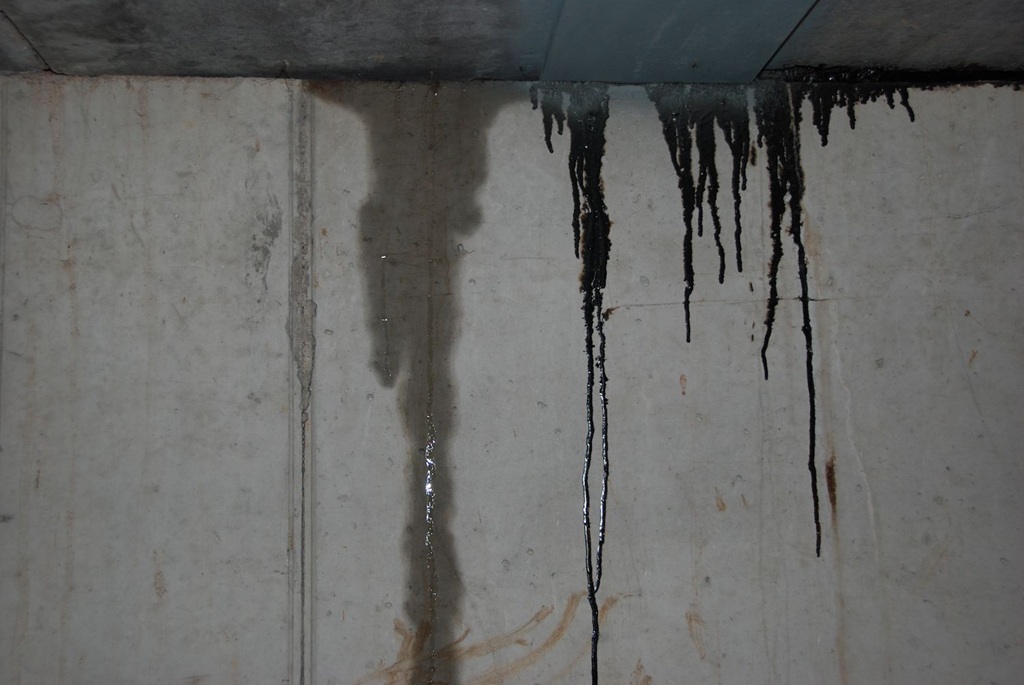
Addressing the root cause is essential for a lasting solution. The specific repair will depend on the identified source of the leak.
- Addressing Foundation and Wall Cracks:
- Hairline Cracks (Exterior): Clean the crack thoroughly and fill it with an exterior-grade polyurethane caulk or a specialized masonry sealant.
- Larger Cracks (Exterior): For cracks wider than 1/8 inch, you might need to use a hydraulic cement patch or a specialized crack injection kit. Follow manufacturer instructions carefully.
- Interior Foundation Cracks: If the leak is coming through an interior foundation crack, consider injecting it with epoxy or polyurethane. This is often a job for a foundation repair specialist.
- Waterproofing Membranes: For persistent foundation leaks, an exterior waterproofing membrane (such as liquid asphaltic coatings or sheet membranes) applied to the foundation wall after excavation can be a highly effective long-term solution. This is a significant project, often requiring professional expertise.
- Repairing or Replacing Damaged Mortar:
- Repointing: This involves removing deteriorated mortar joints and replacing them with fresh mortar. It’s a meticulous job that requires skill to ensure proper bonding and aesthetics.
- Roof Repairs:
- Shingle Replacement: Replace missing or damaged shingles.
- Flashing Repair/Replacement: Repair or replace damaged flashing around chimneys, vents, and roof valleys. This is critical as flashing failure is a common cause of leaks.
- Roofing Membrane Repair: If you have a flat roof, patch or repair any punctures or tears in the roofing membrane.
- Professional Roofing Assessment: If you suspect a widespread roof issue, a professional roofer can conduct a thorough inspection and recommend appropriate repairs or replacement.
- Window and Door Repairs:
- Re-caulking: Remove old, degraded caulk around window and door frames and apply fresh, exterior-grade silicone or polyurethane caulk. Ensure a continuous, watertight seal.
- Weatherstripping Replacement: Replace worn or damaged weatherstripping around sashes and frames.
- Flashing Inspection: Ensure that the flashing around the window or door frames is intact and properly installed. If not, it may need to be re-installed or repaired. This often requires removing siding around the opening.
- Gutter and Downspout Maintenance/Repair:
- Regular Cleaning: Clean gutters and downspouts at least twice a year (more often if you have many trees).
- Repairing Damage: Patch small holes or cracks with gutter sealant or replace damaged sections. Ensure downspouts extend at least 5-10 feet away from the foundation.
- Gutter Guards: Consider installing gutter guards to minimize debris accumulation.
- Improving Exterior Drainage (Grading):
- Re-grading: The most effective long-term solution for negative grading is to re-grade the soil around your home so that it slopes away from the foundation at a minimum of 6 inches over the first 10 feet. This can be a significant landscaping project.
- French Drains: Installing a French drain (a trench filled with gravel and a perforated pipe) along the perimeter of your foundation can effectively collect and redirect subsurface water away from your home.
- Catch Basins: For areas prone to pooling surface water, installing catch basins connected to a drainage system can help.
- Siding Repair or Replacement:
- Patching/Repairing: Replace damaged sections of siding or patch cracks as appropriate for the material.
- Addressing Installation Issues: If the siding was improperly installed with insufficient overlap or sealant, it may need to be re-installed or have additional flashing/sealant applied.
Prevention is Key: Safeguarding Your Home from Future Leaks
An ounce of prevention is worth a pound of cure, especially when it comes to water damage.
- Routine Inspections: Regularly inspect your roof, gutters, downspouts, foundation, exterior walls, and window/door seals. Aim for at least twice a year – in spring and fall.
- Keep Gutters and Downspouts Clear: This is perhaps the simplest yet most crucial preventative measure.
- Maintain Proper Grading: Ensure the ground around your home slopes away from the foundation.
- Caulk and Seal Regularly: Reapply caulk around windows, doors, and any exterior penetrations (like utility lines) every few years, or as soon as you notice cracking or deterioration.
- Address Cracks Promptly: Don’t ignore small cracks in your foundation or exterior walls. Repair them as soon as they appear.
- Inspect and Maintain Your Roof: Schedule professional roof inspections every few years to catch potential issues before they become major leaks.
- Proper Landscaping: Keep shrubs and trees trimmed back from your home’s walls to prevent branches from scratching siding and roots from compromising the foundation. Ensure irrigation systems don’t spray directly onto walls.
- Consider Exterior Waterproofing (Proactive): If you live in an area with heavy rainfall or an older home, consider proactive exterior waterproofing measures like applying a breathable sealant to masonry or installing proper drainage systems.
Related: Architectural Roof Styles Roofing Companies Near Me Love and Why They Matter
When to Call a Professional
While many minor leaks can be tackled by a determined DIYer, there are times when professional help is indispensable:
- Undetermined Source: If you can’t locate the source of the leak despite your best efforts.
- Extensive Damage: If there’s significant water damage, mold growth, or suspected structural compromise.
- Roof Issues: Roof repairs, especially on steep pitches or complex rooflines, are best left to experienced roofers for safety and effectiveness.
- Foundation Cracks: Large or actively leaking foundation cracks often require specialized knowledge and equipment.
- Persistent Leaks: If you’ve attempted repairs and the leak persists, it’s time to bring in a professional.
- Safety Concerns: Any repair that involves working at heights, with heavy materials, or in potentially hazardous conditions should be done by a professional.
Conclusion: A Dry Home is a Healthy Home
A leaking wall from rainwater is more than just a nuisance; it’s a warning sign that your home’s protective envelope has been breached. Addressing these issues promptly and effectively is paramount to preventing extensive damage, costly repairs, and potential health hazards. By understanding the common causes of leaks, diligently identifying their source, and implementing appropriate temporary and long-term solutions, you can restore your home’s integrity and enjoy the comforting sound of rain without the unwelcome drips inside. Remember, a dry home is a healthy and valuable home. Don’t hesitate to invest the time, effort, or professional assistance needed to keep it that way.




Leave a Reply