
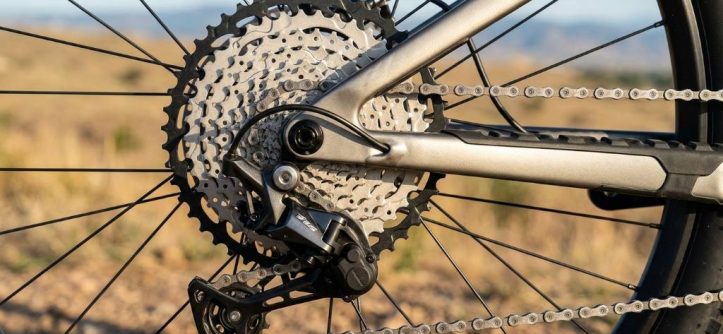
Mountain bike gear problems can quickly turn an enjoyable ride into a frustrating experience. Studies suggest that drivetrain issues account for nearly 30% of common mountain bike mechanical problems, while regular maintenance can reduce failures by almost 50%. Riders using a 26 inch full suspension mountain bike often expect smooth shifting during steep climbs. However, gears may still slip under heavy load without proper setup, inspection, and routine drivetrain care.
Understanding Why Gears Slip Under Load
Gear slipping happens when the chain cannot stay fully engaged with the cassette or chainring teeth. This issue becomes more noticeable during hard pedaling on steep terrain.
Many riders overlook small drivetrain problems until shifting becomes unreliable. Therefore, regular inspections prevent expensive repairs while improving overall ride performance.
Learning how bike components interact also improves maintenance decisions. Reading about unsafe Texas skate ramps highlights another example of why equipment safety deserves consistent attention.
Common Reasons Mountain Bike Gears Slip
Worn Chain
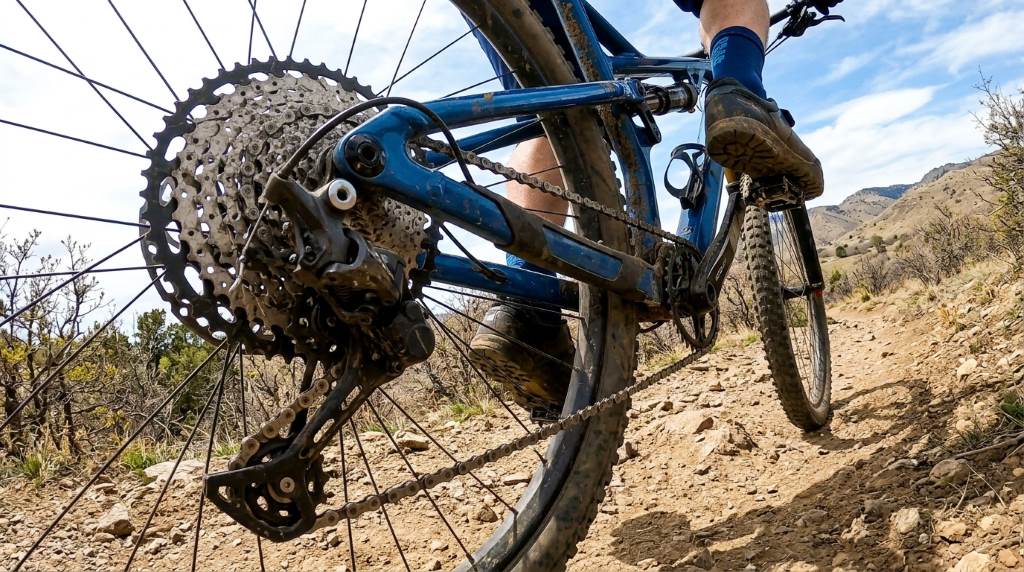
A stretched chain cannot mesh correctly with cassette teeth during heavy pedaling. Consequently, every shift feels rougher as drivetrain wear increases.
Replacing a worn chain before severe stretching protects expensive drivetrain components. Early replacement usually costs much less than replacing the entire drivetrain.
Damaged Cassette Teeth
Cassette cogs gradually develop hooked teeth after thousands of riding miles. Those worn teeth struggle to hold the chain securely under climbing pressure.
Inspect every cassette tooth carefully under bright lighting before replacing other components. Uneven wear patterns often reveal the true source of slipping.
Worn Chainrings
Front chainrings also wear after repeated riding through dirt, mud, and sand. Their changing tooth profile eventually reduces proper chain engagement.
Replacing worn chainrings restores smoother power transfer during technical trail sections. Riders usually notice immediate improvements after installation.
Poor Derailleur Adjustment
Cable tension changes naturally over time because housing settles during repeated rides. Small adjustments often restore precise shifting without replacing parts.
Limit screws also influence derailleur movement across cassette cogs. Incorrect settings may cause skipped gears under higher pedal force.
How Denver Riding Conditions Affect Drivetrains
Denver trails combine rocky climbs, loose gravel, and rapid elevation changes throughout many riding areas. Those conditions place extra stress on drivetrain components.
Dry dust enters chain rollers and cassette spaces during every ride. As a result, abrasive particles accelerate drivetrain wear much faster.
Many riders improve equipment choices after reading guides that compare entry level mountain bikes before purchasing replacement bikes or components.
Cold mornings followed by warmer afternoons also influence lubrication performance. Selecting the proper chain lubricant helps maintain smoother shifting.
Signs Your Bike Needs Immediate Attention
- Chain skips while climbing steep hills.
- Pedals suddenly lose resistance under pressure.
- Clicking sounds occur during every shift.
- Chain jumps between cassette cogs unexpectedly.
- Visible wear appears on cassette or chainrings.
- Rear derailleur struggles to maintain alignment.
Ignoring these warning signs often increases repair costs significantly. Addressing problems early usually prevents additional drivetrain damage.
Protective equipment matters equally during maintenance and riding. Many cyclists also remember to replace mountain bike helmet after impacts to maintain overall riding safety.
How to Diagnose Gear Slipping Correctly
Measure Chain Wear
Use a dedicated chain wear tool for accurate measurements. This inexpensive tool quickly identifies excessive chain stretching before major damage develops.
Inspect the Cassette
Look closely for pointed or hooked cassette teeth across every gear. Consistent wear indicates normal aging, while isolated damage suggests alignment issues.
Check Derailleur Hanger Alignment
A bent derailleur hanger changes shifting accuracy across multiple gears. Professional alignment tools restore proper positioning quickly and accurately.
Test Cable Tension
Shift through every gear while turning the pedals smoothly by hand. Delayed shifts usually indicate incorrect cable tension instead of worn drivetrain parts.
Simple Fixes Before Replacing Parts
Clean the drivetrain thoroughly using a bicycle specific degreaser and soft brushes. Dirt buildup frequently causes shifting issues before parts actually wear out.
Apply fresh lubricant after every complete drivetrain cleaning session. Proper lubrication reduces friction while improving chain engagement under heavy loads.
Fine tune barrel adjusters gradually while testing every gear carefully. Small adjustments often eliminate skipping without expensive component replacements.
Tighten loose cassette lockrings using the correct specialty tools. Loose cassettes occasionally create movement that resembles worn drivetrain components.
When Replacement Becomes Necessary
Replace the chain whenever measurements exceed manufacturer wear recommendations. Delaying replacement often damages chainrings and cassette teeth unnecessarily.
Install a matching cassette whenever chain skipping continues after chain replacement. Worn cogs rarely perform well with brand new chains.
Replace derailleur pulleys if they wobble excessively during inspection. Fresh pulleys improve chain guidance across every gear.
Maintenance Tips That Prevent Future Problems
- Clean the drivetrain after dusty rides.
- Lubricate the chain regularly.
- Inspect chain wear monthly.
- Check derailleur adjustment frequently.
- Replace damaged cables immediately.
- Store the bike in a dry location.
Following these habits extends drivetrain lifespan while reducing unexpected trail repairs. Preventive maintenance always costs less than emergency replacements.
Final Thoughts
Mountain bike gears usually slip because of drivetrain wear, poor adjustment, or neglected maintenance. Denver riding conditions simply increase those challenges through dust, steep climbs, and rocky terrain.
Inspect your drivetrain regularly, replace worn parts promptly, and keep everything properly adjusted. Consistent maintenance delivers smoother shifting, greater confidence, and more enjoyable rides on every trail.
Frequently Asked Questions
Why do mountain bike gears slip during climbs?
Worn drivetrain parts or incorrect derailleur adjustment usually cause slipping under heavy climbing loads.
Can a dirty chain cause gear slipping?
Yes, accumulated dirt reduces proper chain engagement and affects shifting accuracy.
Should I replace the chain before the cassette?
Yes, replacing the chain early often prevents premature cassette wear.
How often should I inspect my drivetrain?
Inspect your drivetrain every month or after several demanding trail rides.
Is professional bike service necessary for gear slipping?
Professional service is recommended when adjustments and cleaning fail to solve the problem.



Leave a Reply