
Key Takeaways
- Warm temperatures can increase pest movement, feeding, and breeding activity.
- Heavy rain often pushes pests toward dry, protected areas around a home.
- Small amounts of standing water can create mosquito breeding opportunities.
- Leaks, wet mulch, clogged gutters, and poor drainage can attract moisture-seeking pests.
- Sealing entry points and correcting water problems can prevent many seasonal infestations.
Spring weather can make a quiet property feel suddenly busy. A few rainy days, a stretch of humid heat, or a dry spell can change where insects and rodents look for food, water, and shelter. Homeowners who understand those patterns can spot concerns early and take practical steps before a small issue spreads.
Regular exterior checks are often more effective than reacting after pests are established indoors. For help identifying recurring activity or evaluating a possible infestation, Romney Pest Control can be part of a broader prevention plan that starts with moisture control and entry-point repairs.
Why Weather Changes Pest Activity
Most household pests respond quickly to their environment. Temperature affects how actively many insects move and reproduce, while rain, humidity, and wind can disrupt nesting areas and alter food availability. When conditions outside become too wet, too hot, or too dry, a house may offer the stable shelter pests need.
Warm, wet weather can fuel a noticeable rise in seasonal activity because moisture and rising temperatures support many common pests. Current seasonal guidance notes that saturated ground may force ants upward, while water-filled outdoor containers create opportunities for mosquitoes. A single sighting does not always mean an infestation, but repeated sightings in the same area are worth investigating.
How Rain Pushes Pests Toward Homes
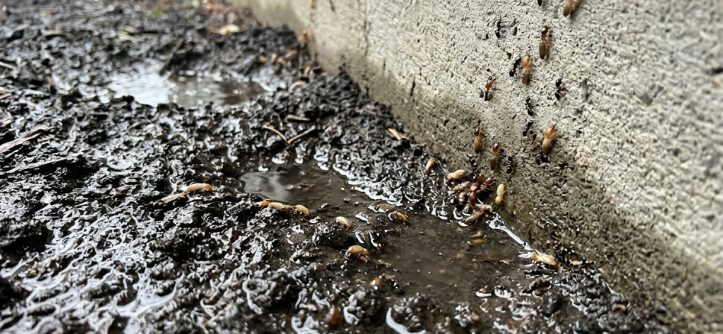
Rain does more than water the lawn. Saturated soil can disturb ant colonies, flood underground tunnels, and make low-lying nesting areas unusable. Ants may then follow wall gaps, window frames, or utility openings toward dry areas indoors. A trail near a kitchen window after several wet days, for example, may indicate that a nearby colony has been displaced.
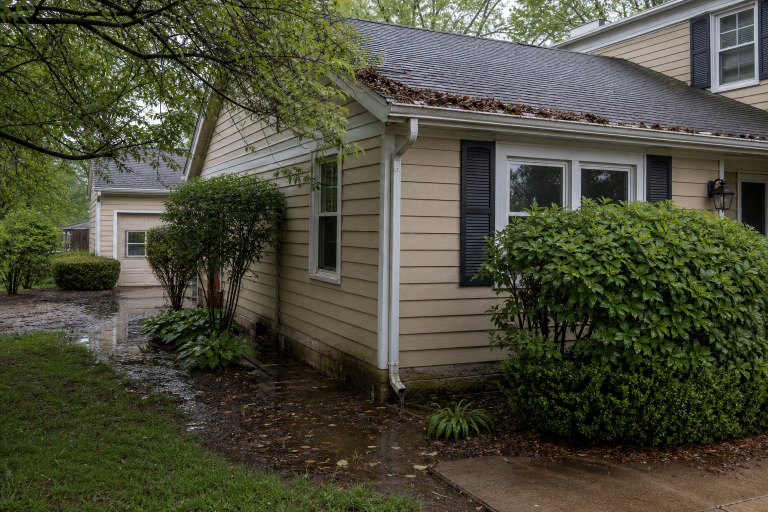
Rodents can react similarly after heavy storms. Garages, sheds, attics, crawl spaces, and wall voids provide cover from wet ground and wind. Spiders may also appear closer to buildings after rain, often because the insects they hunt have moved there first. Clogged gutters, blocked drains, and puddles beside the foundation create additional moisture zones that can keep activity going.
What Heat and Humidity Do
Heat often speeds up insect activity. Cockroaches, ants, and other pests may feed and travel more often during warm periods, especially when humidity is high. Kitchens, bathrooms, laundry rooms, and plumbing areas can be especially appealing because they combine warmth, water, and potential food sources.
Dry weather can also drive pests indoors. When outdoor water becomes scarce, insects and rodents may seek irrigation lines, dripping faucets, pet bowls, condensation around pipes, or cool shaded spaces near the home. That is why a small plumbing leak or poorly ventilated crawl space can matter as much as the weather outside.
Yard Conditions That Invite Pests
A well-kept yard does not need to be bare, but it should not provide easy water, food, and hiding places beside the house. Check regularly for conditions such as:
- Water in buckets, toys, flowerpot saucers, birdbaths, and clogged drains.
- Leaf piles, fallen branches, rotting wood, thick mulch, and stacked firewood near walls.
- Dense shrubs or tree limbs touching siding, windows, gutters, or the roof.
- Leaky outdoor faucets, damaged irrigation lines, and air-conditioning drain runoff.
- Open trash, birdseed, pet food, or uncovered compost.
- Cracks around foundations, doors, windows, patios, and utility lines.
Common Pests to Watch For
Ants
Ants may move indoors after rainfall forces them from wet soil, or during drought when they need water. Follow their trail to determine where they are entering rather than treating only the visible workers. Cleaning food residue and sealing the entry route are important parts of the response.
Mosquitoes
Mosquitoes can develop in surprisingly small water-holding items. The weekly practice of emptying and scrubbing containers that hold water helps reduce breeding opportunities around patios, play areas, gutters, and storage spaces.
Cockroaches and Spiders
Cockroaches are drawn to crumbs, clutter, humidity, and plumbing gaps. Repeated daytime sightings can suggest that a hiding area is nearby. Spiders usually follow their prey, so reducing other insects, limiting unnecessary outdoor lighting near doors, and sealing gaps can make the area less attractive.
Rodents and Wood-Damaging Pests
Rodent warning signs include droppings, gnaw marks, scratching sounds, nesting material, and damaged food packaging. For termites and similar wood-damaging pests, watch for discarded wings, mud tubes, hollow-sounding wood, soft trim, or unexplained damage near damp areas. Moisture against wood siding or structural components deserves prompt attention.
A Simple Home Prevention Plan
- Walk the perimeter: Inspect doors, windows, vents, rooflines, foundations, and utility openings.
- Control water: Clear gutters, repair leaks, empty containers, and direct downspouts away from the foundation.
- Reduce shelter: Move firewood, cardboard, debris, and heavy mulch away from exterior walls.
- Protect food: Seal pantry goods, clean hidden crumbs, and secure trash and pet food.
- Track activity: Note where pests appear and whether sightings follow rain, heat, or dry conditions.
When to Use Traps, Baits, or Treatments
Accurate identification should come before treatment. Targeted traps or baits may help with limited activity, but they will not correct a leak, open gap, or outdoor nesting site. Follow every product label, keep products away from children and pets, and avoid broad spraying when a focused solution is available. Professional inspection is sensible for recurring rodents, termites, stinging insects, hidden nests, or signs of structural damage.
Signs That a Problem Is Growing
- Pests continue appearing after cleaning and basic repairs.
- Activity spreads to multiple rooms or building areas.
- Droppings, wings, shed skins, nests, or damaged materials are present.
- Pests return after each storm or major temperature change.
- There are odors, scratching sounds, visible nests, or suspected wood damage.
Common Questions
Why do more ants appear after rain?
Saturated soil can disrupt colonies and encourage ants to seek higher, drier ground. Small gaps around doors, windows, and foundations can become convenient routes inside.
Can hot, dry weather cause indoor pest problems?
Yes. Dry conditions can send pests toward plumbing leaks, irrigation, pet water, shaded areas, and other dependable moisture sources near the home.
What should be checked after a heavy storm?
Inspect gutters, downspouts, standing water, basement or crawl-space moisture, damaged screens, door sweeps, foundation gaps, and branches or debris pressed against the house.
The Bottom Line
Weather does not create every pest problem, but it can expose weak points around a home. Brief inspections after rain, steady moisture control, cleaner storage areas, and sealed entry points can prevent many seasonal concerns from becoming larger. When activity keeps returning, early identification is usually more useful than repeated guesswork.



Leave a Reply