
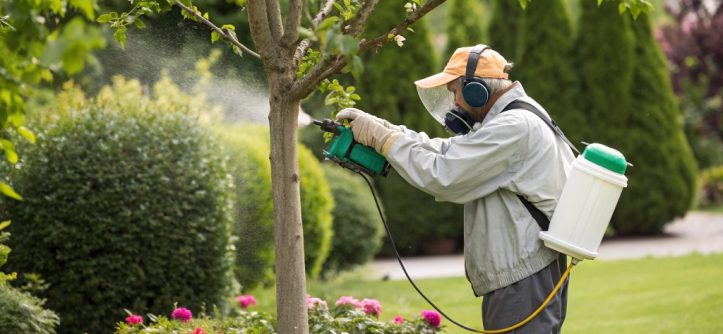
In the pursuit of effective pest control, striking a balance between efficiency and environmental impact is crucial. Pest control practices aim to manage and eliminate pests that threaten agriculture, homes, and businesses. However, these practices can also pose significant risks to the environment if not managed properly. This article explores how pest control can be conducted in a way that maximizes effectiveness while minimizing harm to the environment.
The Importance of Efficient Pest Control
Effective pest control is essential for maintaining public health, protecting food supplies, and preserving property. Pests such as rodents, insects, and weeds can cause significant damage if left unchecked. For instance, termites can compromise the structural integrity of buildings, while mosquitoes can spread diseases like malaria and dengue fever. Thus, efficient pest control is critical to prevent these adverse outcomes.
Environmental Impact of Conventional Pest Control Methods
Traditional pest control methods often rely on chemical pesticides that can have detrimental effects on the environment. These chemicals can contaminate soil and water, harm non-target species, and contribute to the decline of pollinator populations. Additionally, over-reliance on chemical solutions can lead to pesticide resistance, making pests harder to control over time.
Sustainable Pest Control Practices
To mitigate the environmental impact of pest control, many are turning to more sustainable practices. Integrated Pest Management (IPM) is one such approach that combines biological, cultural, physical, and chemical tools to manage pests in an environmentally and economically viable way. IPM emphasizes understanding pest life cycles and their interaction with the environment, allowing for targeted and efficient pest control measures.
Biological Control
Biological control involves using natural predators or parasites to manage pest populations. This method can be highly effective and environmentally friendly as it reduces the need for chemical interventions. For example, ladybugs are often used to control aphid populations in agricultural settings.
Cultural Control
Cultural control involves modifying farming practices to reduce pest activity. Techniques include crop rotation, altering planting times, and maintaining healthy soil to make the environment less conducive to pests. These methods enhance the resilience of crops and reduce the reliance on chemical pesticides.
Physical and Mechanical Control
Physical barriers, such as nets and traps, can prevent pests from accessing crops. Mechanical methods, such as hand-picking or using machines to remove pests, can also be effective. These strategies minimize environmental impact by avoiding chemical use.
Achieving Balance in Pest Control
Achieving a balance between efficiency and environmental impact requires a holistic approach that considers the specific needs and conditions of each situation. In Pest control Huntsville Alabama, companies are adopting innovative practices to manage pests effectively while safeguarding the environment. By integrating various pest control methods and continuously monitoring their impacts, it is possible to achieve sustainable pest management solutions.
Conclusion
Pest control is an essential aspect of maintaining healthy and sustainable environments, but it must be conducted with an awareness of its environmental impact. By embracing sustainable practices and focusing on integrated approaches, we can protect both our ecosystems and our interests. The future of pest control lies in balancing efficiency with environmental responsibility, ensuring that we can effectively manage pests without compromising the health of our planet.




Leave a Reply