
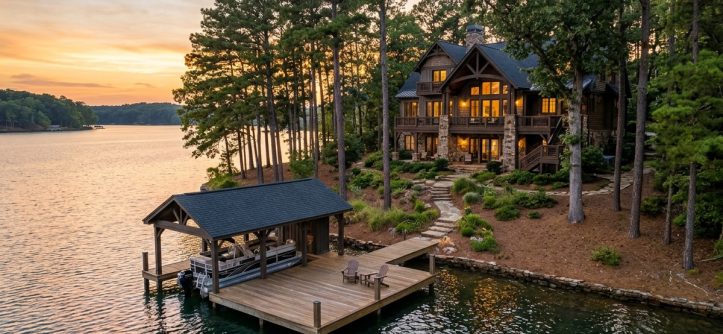
Key Takeaways
- A lake view does not necessarily include private shoreline, dock rights, or direct water access.
- Review the deed, survey, easements, permit records, and neighborhood rules before making an offer.
- Water depth, shoreline condition, septic capacity, drainage, insurance, and maintenance can materially affect ownership costs.
- The right Lake Lanier home depends on whether it will be a primary residence, weekend retreat, or rental property.
Buying on Lake Lanier is different from buying a typical North Georgia home. The house itself matters, but so do the slope to the water, the condition of the shoreline, the usability of a dock, the lake level, and the rules attached to the parcel. A beautiful view can be the beginning of a great purchase, but it should not be the end of the investigation.
For buyers comparing coves, points, and waterfront neighborhoods in Gainesville, Cumming, Buford, Flowery Branch, and Dawsonville, local perspective can help identify questions that are easy to miss. Lake Lanier real estate agents at Living On Lake Lanier focus on lake-area homes and communities, with more than two decades of stated experience and over $400 million in reported sales volume. Their property-focused knowledge of dock permits, septic systems, lake lots, and shoreline details can be useful when buyers need to verify the practical side of lake living.
Start With the Type of Waterfront Access
Do not treat “lake access” as a single feature. A property may have direct waterfront frontage, deeded access through another parcel, a shared community dock, or only proximity to a public boat launch. Each arrangement creates a very different ownership experience.
Ask for the survey, deed, plat, recorded easements, and homeowners association documents during due diligence. For example, a buyer may see a dock behind a home and assume it is private, only to learn that it serves several owners or sits outside the property boundary. Confirm who may use the shoreline, whether access is exclusive, and whether there are limits on parking, boats, guests, or equipment storage.
Check the Dock Permit Before Falling in Love With the Property
A dock is not simply an accessory that should be assumed to transfer with a home. On Lake Lanier, shoreline and dock privileges may be governed by federal shoreline-management requirements as well as property-specific documentation. Review the current permit number, approved dock dimensions, permitted features, and any conditions tied to transfer, renewal, or modification. The U.S. Army Corps of Engineers outlines these requirements through its Lake Lanier shoreline permit program, but buyers should still confirm the status of the exact property and dock.
Questions to Ask About the Dock
- Is there a current permit associated with the property?
- What structures, utilities, and improvements are approved?
- Will the permit or dock privilege require action after closing?
- Has the dock been altered since the permit was issued?
- Are there repair, relocation, or replacement needs visible today?
Study Water Depth and Seasonal Lake Conditions
Waterfront usability can look different from one season to the next. Ask about water depth at the dock, clearance for the boat you plan to use, access to open water, and how the cove behaves during lower water conditions. A shallow, protected cove may be appealing for swimming or paddleboarding, while a larger boat may require deeper water and a clearer route to the channel.

Whenever possible, visit more than once. Walk the route from the house to the dock, notice how steep it feels, and look at the property during different times of day. A quiet weekday showing may not reveal the boat traffic, wake activity, or parking pressure that occurs on a busy summer weekend.
Review the Shoreline, Lot, and Drainage
Lakefront lots often have slopes, mature trees, retaining walls, steps, and drainage paths that deserve close attention. Look for erosion, exposed roots, cracked walls, standing water, bare soil, or runoff moving toward the home. Also consider whether the land near the water is genuinely usable for seating, play, pets, or entertaining, rather than merely scenic.
Ask the seller about prior shoreline work, including riprap, walls, stairs, landscaping, or grading. A qualified inspector or contractor can help evaluate substantial drainage, slope, or structural concerns before the due-diligence period ends.
Give Septic Systems and Water Supply Extra Attention
Some older Lake Lanier homes rely on septic systems, wells, or private water arrangements. Order a septic inspection when applicable, identify the tank and drain-field locations, and ask for service records. This matters not only for daily use, but also for future plans. A pool, guest house, addition, or new outdoor living area may be limited by the existing system or available space.
When a property uses a well, include appropriate water-quality testing and an evaluation of the equipment. A waterfront setting does not offset a system that is undersized, poorly maintained, or difficult to access.
Compare the Full Cost of Lake Living
The mortgage payment is only one part of the budget. Build an annual ownership estimate that includes:
- Property taxes and homeowners insurance.
- Possible flood-related insurance questions based on the parcel and lender requirements.
- Dock, lift, boat, trailer, and storage expenses.
- Tree work, landscaping, pest control, septic pumping, and well maintenance.
- Private-road, marina, or homeowners association fees.
- Shoreline repairs, exterior upkeep, and seasonal maintenance.
Think About Safety, Recreation, and Daily Convenience
Evaluate both recreation and routine. Check the distance to groceries, medical care, schools, work routes, marinas, and major roads. Review nearby public launches and the character of surrounding water activity. Boat-owning households should also understand Georgia’s requirements for registration, required equipment, personal watercraft, and operators by reviewing the state’s boating rules and regulations.
Match the Property to Your Main Goal
A full-time residence may need dependable internet, easy road access, practical storage, and a comfortable walk to the water. A weekend retreat may prioritize privacy, a dock, and low-maintenance grounds. An income-producing property may require careful review of rental restrictions, parking, occupancy limits, and management needs. Define the primary use before comparing homes, because it will clarify which compromises are acceptable.
Questions to Ask Before Making an Offer
- What type of water access does the deed provide?
- Is the dock permitted, and what happens when ownership changes?
- How deep is the water at lower lake levels?
- Has the shoreline been repaired or altered?
- When was the septic system last inspected or serviced?
- What community rules apply to docks, rentals, boats, and exterior work?
- Which recurring costs should be expected each year?
Make a Confident Lake Lanier Buying Decision
The best Lake Lanier property is not always the one with the widest view. It is the one that fits your water-use plans, budget, maintenance tolerance, and daily routine. Confirm access rights, permits, shoreline condition, utilities, and long-term costs before removing contingencies, and your lakefront purchase can be based on more than the excitement of the first showing.




Leave a Reply