
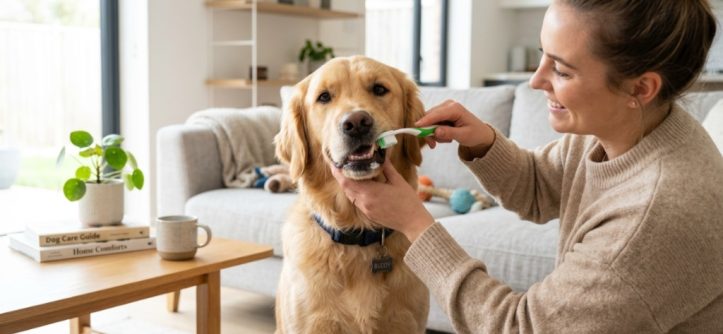
You love your dog, but have you smelled their breath lately? That less-than-fresh odor isn’t just unpleasant—it’s often a warning sign of dental disease, the most common health issue affecting adult dogs. By the age of three, most dogs show signs of periodontal disease, which can lead to pain, tooth loss, and even damage to the heart, liver, and kidneys. The good news is that you don’t need expensive veterinary visits every month to make a significant difference. Building a consistent routine for dog dental care at home is one of the most effective ways to extend your dog’s life and keep them happy and healthy. This guide will walk you through practical, step-by-step methods to keep your dog’s teeth clean, fresh, and free of disease.
Key Takeaways
- Brushing your dog’s teeth daily is the gold standard for dental health, but the right toothpaste and technique matter more than you think.
- Dental chews, textured toys, and specialized diets can help reduce plaque, but they are complementary—not replacements for—brushing.
- Adding an oral rinse or gel fights bacteria in hard-to-reach areas where brushing and chewing don’t reach.
- Establishing a gradual, positive routine prevents stress and helps your dog accept brushing without fear.
- Recognizing early signs of dental problems, like persistent bad breath or red gums, helps you seek veterinary care before serious pain develops.
Why Home Dental Care Is Critical for Your Dog
Most dogs won’t sit patiently for a dental scaling at the vet without anesthesia, and annual professional cleanings are expensive and require your dog to fast and recover. That’s where consistent at-home care steps in. Professional cleanings remove existing tartar, but they don’t prevent new plaque from forming the next day. Plaque begins to harden into tartar within 48 hours of forming. Regular home care physically disrupts that plaque while it’s still soft, preventing the painful cascade of gingivitis, bone loss, and loose teeth that comes with advanced periodontal disease. Skipping home care means relying solely on professional interventions, which puts your dog through unnecessary stress and health risks. The most effective approach combines professional cleanings when needed with a daily home routine that keeps harmful bacteria in check.
The Step-by-Step Guide to Brushing Your Dog’s Teeth
Brushing is the cornerstone of any effective home dental plan. It is the only method that mechanically removes plaque from the tooth’s surface and below the gumline. While it may seem intimidating, with patience and the right tools, you can brush your dog’s teeth in under two minutes a day. If you are unsure about which products are safest for your furry friend, you can research the best options for dog dental care at home before you start.
Choosing the Right Tools
The tools you use determine how safe and effective the brushing session will be. Never use human toothpaste for dogs, as it contains fluoride and xylitol, which are highly toxic to canines. Dogs cannot spit, so they swallow whatever you put in their mouths. Always choose an enzymatic toothpaste formulated specifically for dogs, usually flavored with poultry, peanut butter, or malt to make the experience more appealing. For the brush itself, a soft-bristled toothbrush designed for dogs is ideal. For puppies or dogs with small mouths, a finger brush is an easier way to start because it allows you to feel the teeth and gums. However, finger brushes often miss the large premolars at the back of the mouth, so graduating to a handled brush is recommended for thorough cleaning.
Proper Brushing Technique
Start with a, sit beside your dog and gently lift their lip. Use your finger to rub a small amount of toothpaste on their gums to get them used to the sensation. Once they accept this, introduce the brush. Hold the brush at a 45-degree angle to the tooth, aiming the bristles slightly under the gumline. Use small, circular motions to gently scrub each tooth, just as you would your own. Focus most of your time on the outside surfaces of the teeth—the side that faces the cheek—since your dog rarely lets you access the inside of their mouth without protest. Aim for 30 seconds per side. If your dog resists, start by brushing just the front canines and gradually work your way back as they become comfortable. Rewarding them with praise or a dental treat afterward reinforces that this is a positive experience,
To ensure your pet stays calm and well-behaved during daily grooming and dental routines, you might also find this guide helpful: Why More Dog Owners Are Switching to No-Shock Bark Collars.
Beyond the Brush: Dental Chews, Toys, and Diets
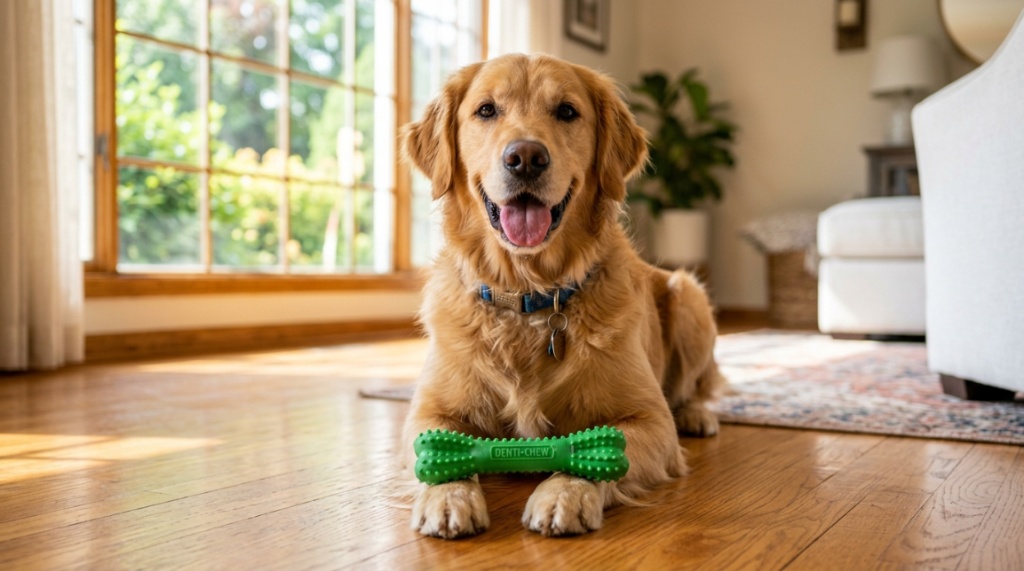
While brushing removes the sticky film of plaque, dental chews and textured toys provide abrasive action that helps scrape away debris and disturb plaque as your dog chews. These are especially useful for dogs that absolutely refuse to let you brush their mouths. However, there is a significant difference between a regular biscuit and an approved dental chew. Look for products with the Veterinary Oral Health Council (VOHC) seal of approval. This seal indicates that the product meets established standards for slowing the accumulation of plaque and tartar.
Similarly, hard rubber toys with ridges can help clean teeth, but you should avoid toys that are harder than your dog’s teeth. If you can’t indent the toy with your fingernail, it may be too hard and could fracture your dog’s tooth—a painful and costly injury. When choosing food, consider that dry kibble may help to a small degree, but specialized dental diets have fibers designed to scrub the tooth surface as the dog bites down. Again, these options are helpful, but they should never be the only method of oral care. These tools miss the areas below the gumline where bacteria thrive, which is why brushing remains the primary defense.
Adding Oral Rinses and Water Additives
Oral rinses and gels are an excellent addition to brushing, especially for dogs prone to gum inflammation. These products contain chlorhexidine or other antibacterial agents designed to reduce harmful bacteria in the oral cavity. Chlorhexidine is the gold standard in veterinary dentistry because it binds to the teeth and gums, releasing its antibacterial effects slowly over several hours. While brushing removes plaque, rinses kill the bacteria that cause the plaque to form in the first place.
Water additives are the passive option—you simply add a measured dose to your dog’s water bowl daily. While they are convenient and can help reduce bad breath, they are less effective than direct gels or rinses because they are highly diluted. Gels applied directly to the gumline with your finger provide a stronger concentration of the active ingredient. For dogs with existing gingivitis, using a gel on the gumline once a day can reduce redness and discomfort within a few weeks, making the mouth less painful and easier to manage.
Common Mistakes That Undermine Your Efforts
Many well-intentioned owners make mistakes that significantly reduce the effectiveness of their home routine. It’s important to be aware of these pitfalls so you can avoid them and ensure your efforts aren’t wasted. The most common error is brushing too quickly or stopping at the first sign of resistance. A rushed brushing session often misses the most critical areas—the back molars where periodontal disease typically starts.
Another frequent mistake is choosing treats and toys that do more harm than good. As mentioned, items that are too hard can fracture teeth. Similarly, some owners only use dental chews to “fix” the problem without ever brushing, assuming the chew is enough. This is rarely true. Finally, do not ignore bad breath. Many owners assume “dog breath” is normal, but a sudden change in breath odor is a sign of an oral infection. Ignoring it allows the infection to worsen and spread. If you notice halitosis, inspect your dog’s teeth for visible tartar and schedule a veterinary check-up if the breath does not improve with brushing within a couple of weeks.
Recommendations Based on Your Dog’s Age and Breed
Dental needs change over your dog’s lifetime, and different breeds have vastly different requirements. Understanding these differences helps you tailor your approach for maximum effectiveness and safety.
Puppies and Seniors
For puppies, start early. Introduce them to your fingers and toothpaste flavors before teething begins. This builds a positive association, making it much easier for you to maintain a routine as they grow into adult dogs. For senior dogs, dental care is especially critical. Arthritis often makes it painful for them to chew crunchy foods, which means plaque builds up faster. Additionally, older dogs may have loose teeth or tumors in the mouth that you might accidentally hit with a brush. Always use a very soft brush and be extra gentle. If your senior dog has sensitive gums, soaking their kibble in warm water for five minutes before feeding can soften it, making eating more comfortable without forcing you to stop brushing their teeth.
Brachycephalic Breeds
Brachycephalic breeds—those with flat faces like Pugs, Boxers, and English Bulldogs—have underdeveloped upper jaws, which often causes their teeth to crowd and rotate. Crowded teeth create deep pockets where food and bacteria become trapped, leading to rapid tartar accumulation. If you own a flat-faced breed, daily brushing is not optional; it is a necessity. You should also be prepared for more frequent professional dental cleanings, as these breeds notoriously suffer from early tooth decay. Their shortened muzzles also make it more difficult to access the back teeth, so you may need to use a smaller toothbrush head to reach deeper into the throat area safely.
How to Spot Dental Problems Early
Performing dental care at home gives you the perfect opportunity to inspect your dog’s mouth weekly. Catching disease early saves money and prevents suffering. Look carefully at the gums directly above the teeth. Healthy gums should be a consistent “bubblegum” pink and have sharp, scalloped edges where they meet the teeth. If the gums are red, swollen, bleeding during brushing, or pulling away from the teeth, this indicates gingivitis—the first stage of periodontal disease. This stage is often reversible with aggressive home care and a professional cleaning.
Also, check for a thick brown or yellowish deposit at the gumline. This is tartar, which is hardened plaque that can no longer be brushed away. It requires professional removal. Drooling more than usual, dropping food from their mouth, or chewing on one side only are strong indicators of oral pain. If you see any of these signs, stop brushing the affected area temporarily and schedule a veterinary exam. Trying to brush over painful, loose teeth can cause a fractured root, turning a simple dental disease into a surgical emergency.
Frequently Asked Questions
Is it too late to start brushing my older dog’s teeth?
It is never too late to start a home care routine, but if your dog has significant tartar buildup or loose teeth, brushing might be painful. Start with a vet visit to assess the health of the gums and perform a professional cleaning if necessary. Once the mouth is healthy, you can begin a gentle daily brushing routine to prevent the same buildup from recurring.
Can I use baking soda or coconut oil to brush my dog’s teeth?
No, you should avoid baking soda. It is extremely high in sodium, and if ingested in large quantities, it can cause dangerous electrolyte imbalances in dogs. While coconut oil is not toxic, it does not contain the active enzymes that kill oral bacteria. Always choose a veterinary-approved enzymatic toothpaste for safe and effective cleaning.
How often should I brush my dog’s teeth?
Daily brushing is the ideal standard. Since plaque hardens into tartar within roughly 48 hours, brushing every two days is the absolute minimum to prevent tartar accumulation. Brushing is most effective when it is done at the same time every day so it becomes a habit for both you and your dog.
Are dental treats enough to keep my dog’s teeth clean?
Dental treats are effective at reducing plaque on the chewing surfaces of the molars, but they fail to clean the gumline or the back of the teeth. Most dogs swallow treats quickly, limiting abrasive contact. Treats should be considered a supplement to, not a replacement for, daily tooth brushing.
Why does my dog’s breath still smell bad even after I brush?
If brushing does not improve your dog’s breath within two weeks, the cause is likely severe tartar below the gumline or an infected root. Brushing cannot remove mineralized tartar. This indicates your dog needs a professional ultrasonic scaling and polishing at a veterinary clinic to restore a healthy oral environment.
Conclusion
Implementing a robust dog dental care at home routine is one of the most profound commitments you can make to your dog’s long-term health and comfort. It goes far beyond fresh breath—it’s about preventing systemic health issues and avoiding unnecessary pain from dental disease. Start by choosing the right safe toothpaste and a soft brush, and spend just a few minutes each day working on the gumline. Complement your brushing with VOHC-approved chews, oral rinses, and a diet suited to your dog’s specific needs. Remember to be patient; if your dog resists at first, take it slow and focus on positive reinforcement. By pairing your diligent home care with regular professional veterinary assessments, you ensure your loyal companion keeps a healthy, pain-free smile for all the years to come.




Leave a Reply