
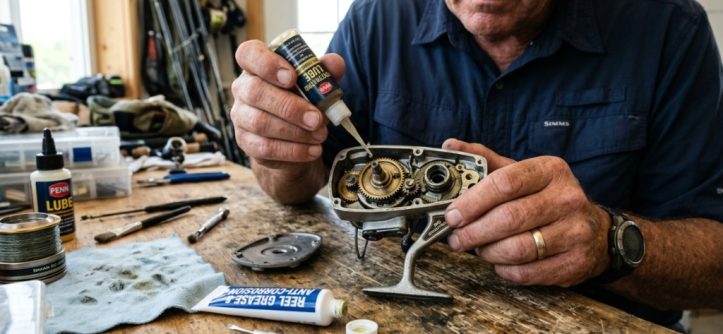
Saltwater fishing is brutal on gear. You spend a morning battling striped bass or wrestling a feisty steelhead, and by the afternoon, your favorite reel is already showing signs of rust. It’s a frustrating cycle of cleaning, oiling, and replacing gear that simply can’t handle the harsh marine environment. The real problem isn’t your fishing ability—it’s the materials you’re relying on. Building a dedicated corrosion resistant fishing kit solves this issue at the source. This guide walks you through every component you need, from rods and reels to terminal tackle, so you can spend more time fishing and less time scrubbing rust off your equipment.
Why Standard Fishing Gear Fails in Saltwater
Most standard fishing gear is made from stainless steel, brass, or aluminum. While these materials sound durable, they are not all created equal when exposed to saltwater. The primary culprit is chloride, which breaks down the protective oxide layer on metals, leading to pitting and galvanic corrosion. When two dissimilar metals touch in saltwater, the less noble metal corrodes faster—this is why a cheap snap swivel can ruin an otherwise solid setup.
To build a truly corrosion resistant fishing kit, you must prioritize materials that are inherently resistant to oxidation. Look for titanium, ceramic, and specifically marine-grade alloys. Understanding the difference between “stainless” and “corrosion-proof” is the first step to making smarter purchases.
The Difference Between 304 and 316 Stainless Steel
Not all stainless steel is the same. Grade 304 stainless is common in budget tackle but will rust within months of saltwater exposure. Grade 316 stainless contains molybdenum, which significantly improves resistance to chloride corrosion. When selecting hooks, split rings, and hardware, always check for “316” or “marine-grade” labeling. If the packaging doesn’t specify, it is likely 304 or a cheaper alloy.
Selecting the Right Rod and Reel Combo
Your rod and reel are the foundation of your kit. For saltwater, you need gear that is sealed and built with corrosion-resistant components. A reel with a fully sealed drag system prevents saltwater from reaching the internal carbon fiber washers. Similarly, rods should feature corrosion-proof guides—preferably aluminum oxide or titanium carbide—rather than standard stainless steel rings that can crack and corrode over time.
When choosing a reel, pay close attention to the body material. Graphite and carbon fiber bodies are naturally corrosion-proof, whereas aluminum bodies require anodization to survive. If you prefer the durability of aluminum, ensure the reel has a “corrosion-resistant coating” or “saltwater-specific” designation from the manufacturer.
Spinning vs. Conventional Reels
Spinning reels are generally easier to rinse and maintain, making them a beginner-friendly choice. However, they have more exposed parts. Conventional reels (baitcasters) often feature better sealing from the factory, especially in high-end models. For a versatile kit, a 4000 to 5000 size spinning reel paired with a 7-foot medium-heavy rod covers most inshore and nearshore saltwater species without being overly heavy.
Choosing Corrosion-Proof Lines and Leaders
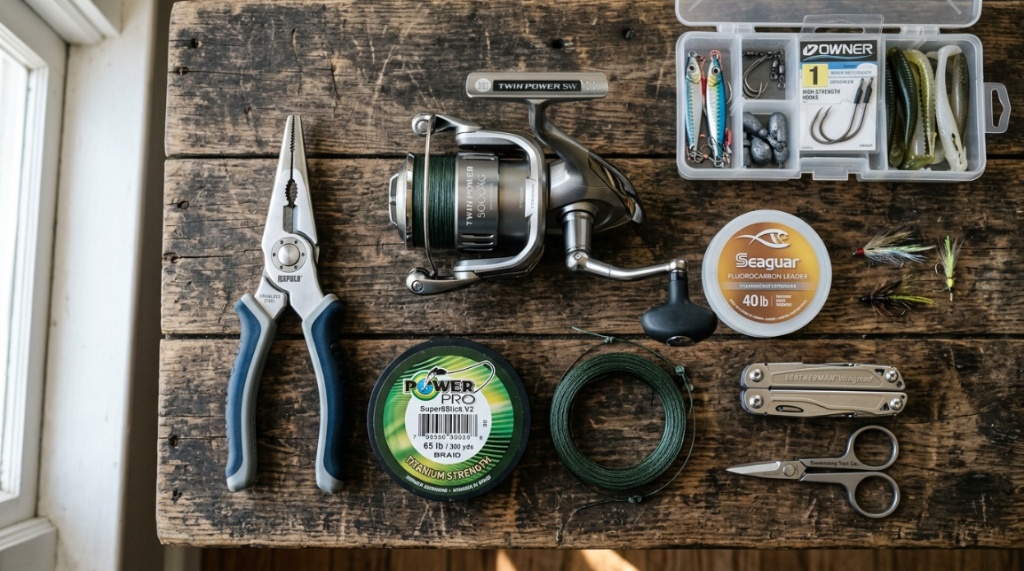
Your main line and leader are the only barriers between you and a fish. In saltwater, braided line is the standard choice because it does not absorb water and is resistant to UV degradation. However, braid is not invisible to fish. This is where a fluorocarbon leader becomes essential. Fluorocarbon is chemically inert, meaning it does not degrade in saltwater and is virtually invisible underwater.
Do not use monofilament leaders in saltwater. Mono absorbs water, weakens at the knots, and becomes brittle quickly. A high-quality fluorocarbon leader in the 20-40 lb test range is versatile enough for most saltwater applications. For the braid itself, look for lines with a “saltwater” or “coated” designation, as the coating helps prevent the line from fraying against rocks and structure.
Terminal Tackle: Hooks, Swivels, and Weights
Terminal tackle is the most vulnerable part of your setup. These small components are often the cheapest, so manufacturers cut corners with inferior metals. To build a corrosion resistant kit, you must be selective about every split ring and snap.
- Hooks: Use chemically sharpened, non-offset circle hooks made from high-carbon steel with a corrosion-resistant coating (like Teflon or tin). For maximum longevity, consider titanium hooks, though they are significantly more expensive.
- Swivels and Snaps: Choose barrel swivels and duo-lock snaps made from grade 316 stainless steel. Avoid brass or nickel-plated options, as they will fail under stress after corrosion sets in.
- Weights and Sinkers: Traditional lead sinkers are cheap but toxic and corrode quickly. Use tungsten or bismuth weights instead. Tungsten is denser, so you need a smaller weight for the same casting distance, and it is completely corrosion-proof.
Why You Should Avoid Cheap Snap Swivels
Snap swivels are convenient, but they are the weakest link in most saltwater rigs. The wire used in cheap swivels is often too thin and made from low-grade steel. After a few trips, saltwater seeps into the swivel mechanism, causing it to seize. A seized swivel creates line twist and reduces your hookset power. If you must use a snap, buy premium brands that specifically advertise “saltwater rated” and replace them after every few trips.
Essential Accessories for Maintenance and Protection
Even the best corrosion resistant kit requires basic care. The goal is to minimize the amount of salt residue left on the gear after each trip. You don’t need to do a full teardown every time, but you do need a consistent routine,
If you are gearing up the whole family for your next trip, check out our guide on finding the Best Kids Fishing Rod and Reel Combo to ensure younger anglers have equipment that is just as reliable.
Freshwater Rinse and Drying
Immediately after fishing, rinse your rod, reel, and lures with fresh water. Use a low-pressure spray to avoid forcing water into sealed bearings. After rinsing, dry the gear with a microfiber cloth. Do not let it air dry in the sun, as this can cause water spots and allow salt to crystallize in crevices.
Corrosion Inhibitors and Lubricants
Apply a corrosion inhibitor spray (like CorrosionX or Boeshield T-9) to the reel body, line roller, and bail arm. These products displace moisture and leave a protective film. For the rod, wipe down the guides and reel seat with a silicone-based protectant. Avoid using WD-40 as a lubricant; it is a solvent, not a lubricant, and will wash away necessary grease.
Storage Solutions to Extend Gear Life
How you store your kit between trips is just as important as how you use it. Do not store wet gear in a sealed tackle bag. This creates a humid environment that accelerates corrosion. Instead, store rods horizontally in a rod rack or hang them vertically by the butt. Reels should be stored with the drag loosened to prevent the washers from taking a “set.”
For lures and terminal tackle, use tackle boxes with individual compartments. Add silica gel packets to absorb moisture. Do not mix different metals in the same compartment, as this promotes galvanic corrosion. For example, keep tungsten weights separate from stainless steel hooks.
Common Mistakes When Building a Saltwater Kit
Many anglers make the mistake of buying a “saltwater” labeled combo without checking the internal components. A reel might have a corrosion-resistant body but a stainless steel main shaft that is not marine-grade. Over time, this shaft will corrode and seize the gear train.
Another common error is neglecting the line roller on a spinning reel. This small bearing is constantly exposed to saltwater and braid friction. If it corrodes, it will shred your line. Always check the line roller for smooth rotation before and after every trip.
Finally, do not overlook the importance of a good rod holder or protective sleeve. Scratches on the rod blank expose the underlying graphite or fiberglass to saltwater, which can weaken the structural integrity of the rod over time.
Frequently Asked Questions
Can I use freshwater gear in saltwater if I rinse it immediately?
You can, but it is not recommended. Freshwater gear uses cheaper metals and lower-quality seals. Even with immediate rinsing, saltwater will eventually find its way into bearings and corrode them. For a reliable saltwater setup, invest in gear specifically designed for marine use.
How often should I service my saltwater reel?
For moderate use (once a week), a full service once a year is sufficient. If you fish more frequently or dunk your reel in the water, you should service it every three to four months. A full service involves disassembling the reel, cleaning the bearings, and regreasing the gears.
Is braided line better than monofilament for saltwater?
Yes. Braided line has zero stretch, which gives you better hooksets at long distances. It also does not absorb water, so it maintains its strength. However, braid is visible to fish, so you must use a fluorocarbon leader.
Are titanium hooks worth the extra cost?
For serious saltwater anglers, yes. Titanium hooks never rust and are incredibly strong. They are ideal for lures that you leave in the water for long periods. However, they are expensive and can bend if you hook a very large fish. For most inshore fishing, high-carbon steel with a coating is sufficient.
What is the best way to remove rust from a fishing reel?
For light surface rust, use a fine brass brush or a rust eraser to gently scrub the affected area. Then apply a corrosion inhibitor. For rust on internal gears or bearings, the parts should be replaced. Do not use sandpaper, as it will remove the protective coating and make the corrosion worse.
Conclusion
Assembling a corrosion resistant fishing kit is not about buying the most expensive gear on the market; it is about making informed material choices. Focus on marine-grade stainless steel, titanium, and anodized aluminum. Pair these materials with a disciplined maintenance routine involving fresh water rinses and corrosion inhibitors. By selecting the right line, leaders, and terminal tackle, you eliminate the weak points that cause gear failure at the worst possible moments. Start by upgrading your terminal tackle and reel, then work your way down the line. Your future self—and your tackle box—will thank you after a long season on the water.




Leave a Reply