
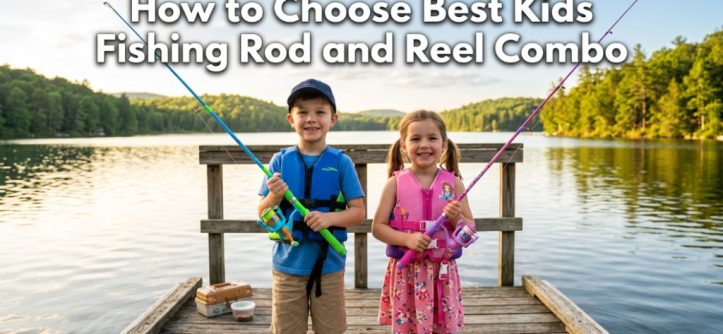
Most parents buy a kids fishing rod and reel combo based on cartoon colors or cheap plastic designs, but experienced fishing instructors often say the biggest reason children quit fishing early is simple: the rod feels too heavy, stiff, or frustrating to use. A poorly matched combo can turn a fun first catch into tangled line, sore wrists, and boredom within minutes. Choosing the right setup matters more than most beginners realize.
A kids fishing rod and reel combo is a beginner-friendly fishing setup designed specifically for children, combining a lightweight rod, easy-to-use reel, safe handling features, and balanced casting performance. The best combo helps kids learn quickly, stay engaged longer, and build confidence while fishing.
Many parents struggle to know which fishing combo actually works for young anglers. Some rods break easily. Others are difficult to cast. Cheap reels often jam after only a few uses. That frustration can ruin a child’s first fishing experience and waste money at the same time. Choosing correctly means understanding rod length, reel type, durability, safety, and age suitability before buying.
This guide explains exactly how to choose the best fishing combo for children based on age, skill level, fishing environment, and long-term usability. You’ll also discover common buying mistakes, comparison insights, maintenance tips, and expert-backed recommendations that improve a child’s first fishing experience.
What Is a Kids Fishing Rod and Reel Combo?
A kids fishing rod and reel combo is a pre-matched fishing setup that includes a fishing rod and reel designed specifically for young beginners.
These combos are built with lighter materials, shorter rod lengths, simplified reel systems, and comfortable grips that fit smaller hands. Many beginner models also include safety casting plugs, pre-spooled fishing line, tackle kits, and anti-tangle reel designs.
Unlike adult fishing equipment, youth fishing combos prioritize ease of use over advanced fishing performance. Manufacturers design them to reduce frustration during casting and retrieving.
- Shorter rod length for easier control
- Lightweight materials for less fatigue
- Simple push-button or spincast reels
- Comfortable EVA foam grips
- Lower line capacity for beginner learning
- Bright visibility colors for safety
Popular fishing brands making youth fishing gear include Zebco, Shakespeare, Ugly Stik, PLUSINNO, and Kid Casters.
Why Does Choosing Right Fishing Combo Matter for Kids?
The right fishing combo improves learning speed, reduces frustration, and helps children enjoy fishing longer.
According to recreational fishing participation studies from outdoor industry organizations, children are significantly more likely to continue fishing when their first experiences are positive and stress-free. Poor equipment creates avoidable problems like backlash, tangled line, difficult casting, and wrist fatigue.
A properly sized rod allows children to cast naturally without struggling. Smooth reels prevent line jams. Balanced equipment also improves safety around hooks and casting areas.
Common problems caused by poor-quality kids fishing gear include:
- Broken rod tips after small impacts
- Tangled monofilament line
- Reels locking during casting
- Oversized grips difficult for small hands
- Heavy fiberglass rods causing fatigue
- Cheap plastic reel gears wearing out quickly
Good beginner fishing equipment helps children focus on fun and learning instead of technical frustrations.
What Size Fishing Rod Is Best for Kids?
The best fishing rod size for kids usually ranges between 3 feet and 5 feet depending on age and height.
Rod length directly affects casting control, balance, and handling comfort. Shorter rods are easier for younger children to manage, while older kids benefit from slightly longer rods that improve casting distance.
| Child Age | Recommended Rod Length | Best Use |
|---|---|---|
| 3–5 years | 3 to 4 feet | Backyard practice, ponds |
| 5–8 years | 4 to 5 feet | Beginner freshwater fishing |
| 8–12 years | 5 to 6 feet | Lakes, rivers, advanced learning |
| 12+ years | 6 feet+ | Near-adult fishing experience |
Many parents mistakenly buy oversized rods believing children will “grow into them.” In reality, oversized rods reduce casting accuracy and increase fatigue.
Shorter rods improve:
- Hand-eye coordination
- Casting confidence
- Hook-setting control
- Safety around nearby people
- Transportation convenience
Which Reel Type Works Best for Beginner Kids?
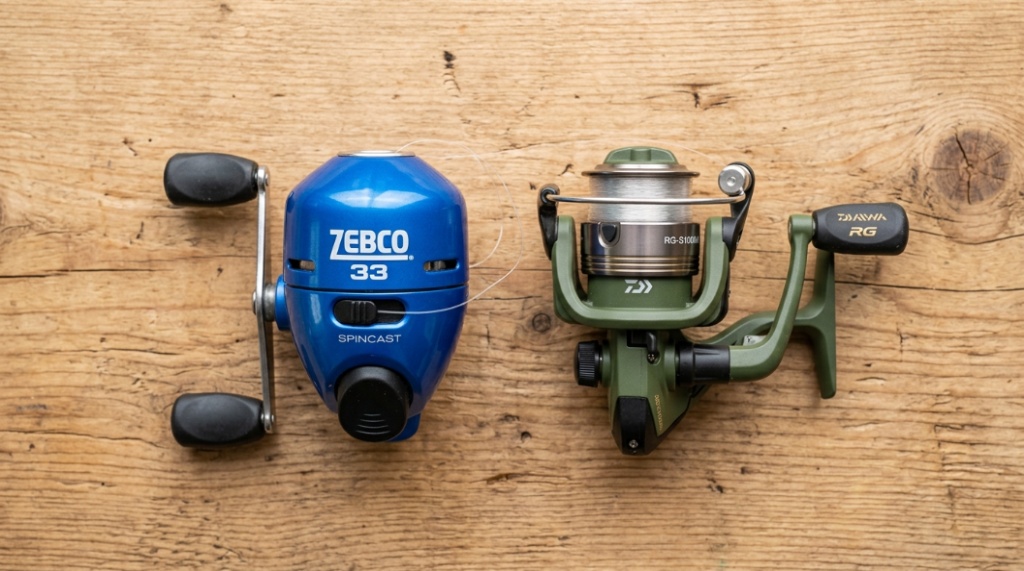
Spincast reels are usually the best choice for beginner children because they are simple, reliable, and easy to control.
A spincast reel uses a push-button casting system enclosed inside a protective housing. This design dramatically reduces tangles and backlash compared to spinning reels or baitcasters.
Why Are Spincast Reels Best for Kids?
Spincast reels simplify casting mechanics and reduce beginner mistakes.
- Push-button casting is easy to learn
- Closed-face design prevents line tangles
- Lower maintenance requirements
- Safer for inexperienced anglers
- Smooth retrieval system
Are Spinning Reels Good for Older Kids?
Yes. Spinning reels are excellent for older children who already understand basic casting techniques.
Spinning reels provide:
- Longer casting distance
- Better sensitivity
- Greater fish-fighting capability
- More versatility for different lures
However, they also require more coordination and can create line twist issues for younger beginners.
What Materials Make Best Kids Fishing Rods?
Fiberglass and graphite composite rods offer the best balance of durability and lightweight handling for children.
Rod material affects strength, flexibility, weight, and sensitivity.
Fiberglass Rods
Fiberglass rods are durable, flexible, and beginner-friendly.
- Resist accidental impacts
- Affordable pricing
- Good flexibility for small fish
- Ideal for rough beginner handling
Downside: slightly heavier than graphite.
Graphite Rods
Graphite rods are lighter and more sensitive but less durable.
- Better casting sensitivity
- Lighter overall feel
- Improved fish detection
- Higher performance capability
Downside: more fragile under rough use.
Composite Rods
Composite rods combine fiberglass and graphite for balanced performance.
Many experts recommend composite rods for children because they provide:
- Better durability than pure graphite
- Lighter handling than fiberglass
- Longer lifespan
- Balanced flexibility
How Heavy Should Kids Fishing Equipment Be?
Kids fishing combos should remain lightweight enough for comfortable use during extended fishing sessions.
Heavy rods quickly tire young anglers. Fatigue reduces focus and creates poor casting habits. A lightweight setup improves control and enjoyment.
Ideal total combo weights:
- Toddlers: under 10 ounces
- Young kids: 10–14 ounces
- Older children: 14–18 ounces
Grip comfort also matters. EVA foam grips are usually softer and easier for children to hold compared to hard plastic handles.
Which Features Should Parents Look for in Kids Fishing Combos?
The best kids fishing combos include beginner-friendly features that improve safety, durability, and ease of use.
Anti-Tangle Technology
Anti-tangle systems reduce line twisting and casting frustration.
Some modern reels use patented no-tangle mechanisms that help children cast more consistently.
Pre-Spooled Fishing Line
Pre-spooled reels save setup time and help beginners start fishing immediately.
Many combos include 6–10 lb monofilament fishing line suitable for freshwater species like:
- Bluegill
- Crappie
- Small bass
- Sunfish
- Perch
Practice Casting Plug
Practice plugs allow safe casting practice without hooks.
This feature is especially valuable for backyard training sessions.
Safety Hook Keeper
Hook keepers reduce accidental hook exposure during transport.
Comfortable Handle Design
Non-slip handles improve grip control when hands become wet.
How Much Should You Spend on Kids Fishing Gear?
A quality beginner kids fishing combo usually costs between $25 and $70.
Extremely cheap fishing kits often use weak plastic components that fail quickly. Spending slightly more typically improves durability and reel performance significantly.
| Price Range | Quality Level | Best For |
|---|---|---|
| Under $20 | Low durability | Occasional backyard play |
| $25–$40 | Good beginner quality | Most children |
| $40–$70 | High-quality youth combos | Frequent fishing trips |
| $70+ | Advanced youth setups | Serious young anglers |
Buying slightly higher-quality gear can actually save money because it lasts longer and reduces replacement costs.
What Are Best Fishing Combos for Different Age Groups?
The best fishing combo depends heavily on the child’s age, coordination level, and fishing experience.
Best Combo for Toddlers
Very young children need ultra-simple setups focused on fun rather than technical fishing.
Look for:
- Short 3-foot rod
- Push-button reel
- Plastic safety hooks
- Soft casting plugs
Best Combo for Ages 5–8
This age group benefits most from beginner spincast combos.
Ideal features include:
- 4–5 foot rod length
- Durable fiberglass blank
- Comfortable foam grip
- Pre-spooled reel
Best Combo for Ages 8–12
Older children can transition toward more advanced fishing equipment.
Recommended upgrades:
- Longer rods
- Graphite composite construction
- Spinning reel options
- Higher-quality drag systems
Should Kids Use Fishing Combos With Tackle Kits?
Yes. Beginner tackle kits make learning easier and improve convenience for parents.
Many kids fishing sets include:
- Bobbers
- Hooks
- Sinkers
- Soft bait
- Tackle boxes
- Practice plugs
Starter tackle kits help children understand fishing basics without requiring separate purchases.
However, avoid oversized tackle collections with dozens of complicated lure types. Simplicity helps beginners learn faster.
What Fishing Line Is Best for Kids?
Monofilament fishing line between 6 lb and 10 lb test works best for most children.
Monofilament line is forgiving, affordable, and easier to manage than braided line.
Why Is Monofilament Better for Kids?
Monofilament stretches slightly, helping absorb sudden tension during casting and fish fights.
Benefits include:
- Fewer snapped lines
- Easier knot tying
- Lower cost
- Reduced line memory problems
Braided line is usually unnecessary for beginner children because it tangles more easily and requires advanced knot skills.
What Common Mistakes Should Parents Avoid?
Most beginner fishing frustrations happen because parents buy equipment based on appearance instead of usability.
Buying Oversized Rods
Large rods reduce casting control and increase fatigue.
Choosing Cheap Plastic Reels
Low-quality reels often jam or break quickly.
Ignoring Weight Balance
Even durable rods become uncomfortable if poorly balanced.
Using Adult Fishing Line
Heavy line reduces casting distance and makes learning harder.
Skipping Practice Casting
Backyard casting practice improves confidence before real fishing trips.
How Can Parents Make Fishing More Fun for Kids?
Keeping early fishing experiences simple and rewarding helps children stay interested long-term.
Children usually care more about action than catching trophy fish. Small panfish ponds often create better experiences than difficult large lakes.
Helpful strategies include:
- Choose locations with frequent bites
- Keep trips short initially
- Celebrate every catch
- Use live bait for easier success
- Bring snacks and shade
- Avoid harsh weather conditions
Positive early experiences strongly influence whether children continue fishing later in life.
Conclusion: How Do You Choose Best Kids Fishing Rod and Reel Combo?
The best kids fishing rod and reel combo is lightweight, age-appropriate, durable, easy to cast, and designed to reduce frustration for beginners. Choosing the correct rod length, reel type, and material makes a major difference in how quickly children learn and how much they enjoy fishing.
For most young beginners, a 4–5 foot fiberglass spincast combo offers the best balance of control, durability, and simplicity. Older children may benefit from transitioning into spinning reels and composite rods as their skills improve.
Avoid focusing only on bright colors or toy-like designs. Quality beginner fishing equipment creates confidence, safer casting habits, and better overall fishing experiences. A well-chosen combo can turn a child’s first fishing trip into a lifelong outdoor hobby.
If you are shopping for youth fishing gear, prioritize comfort, usability, durability, and beginner-friendly features first. Those factors matter far more than flashy packaging or marketing claims.
Frequently Asked Questions About Kids Fishing Rod and Reel Combo
What age can a child start using a fishing rod and reel combo?
Most children can begin using simple fishing combos around ages 3 to 5 with proper supervision. Short rods and push-button reels work best for early learning.
Are spincast reels better than spinning reels for kids?
Yes. Spincast reels are generally better for beginners because they reduce tangles and simplify casting. Spinning reels are more suitable for older or experienced children.
How long should a kids fishing rod be?
Most kids fishing rods should range between 3 and 5 feet depending on age and height. Younger children benefit from shorter rods for easier control.
What fish can kids catch with beginner fishing combos?
Kids beginner combos commonly catch bluegill, perch, crappie, trout, and small bass in freshwater ponds and lakes.
Is fiberglass or graphite better for kids fishing rods?
Fiberglass is usually better for younger beginners because it is more durable. Composite rods offer a balance between lightweight handling and durability.
Should kids fishing reels come pre-spooled?
Yes. Pre-spooled reels save time and help beginners start fishing immediately without requiring line installation.
How much should parents spend on kids fishing gear?
Most quality beginner combos cost between $25 and $70. This price range usually provides better durability and smoother reel performance.



Leave a Reply