
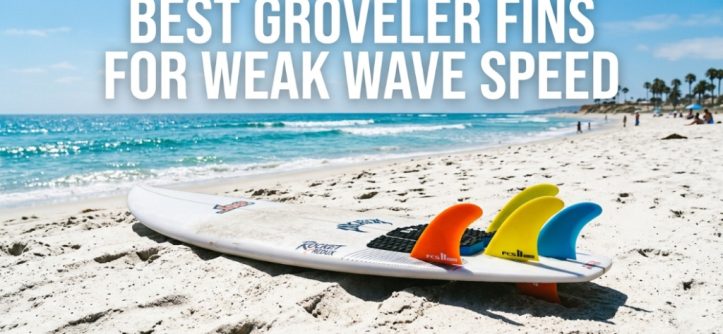
Weak waves can make even the best surfboard feel slow, sticky, and difficult to generate speed on. The right groveler fins solve that problem by improving drive, acceleration, and release in small surf. If you surf mushy beach breaks, knee-high summer waves, or slow point breaks, choosing the best groveler fins can dramatically increase wave speed and make weak wave surfing more fun and responsive.
What Are Groveler Fins and Why Do They Matter in Weak Wave Surfing?
Groveler fins are surfboard fins designed to create speed, drive, and flow in small, weak, or mushy waves. They typically feature wider bases, fuller templates, and softer flex patterns to maximize momentum where waves lack power.
Most surfers blame their surfboard when weak waves feel slow. In reality, fins often create the bigger performance bottleneck. Standard high-performance thruster fins are designed for steep, powerful surf. In weak conditions, they can feel stiff and drag-heavy.
Groveler fins help compensate for the lack of wave energy. They generate lift faster, maintain down-the-line speed, and improve responsiveness during flat sections.
Modern fin brands like FCS, Future Fins, and Captain Fin Co. have heavily invested in small-wave fin templates because most recreational surfers spend the majority of their sessions in waist-high or smaller surf.
According to global surf forecasting data from Surfline, many popular surf regions average chest-high-or-smaller surf for most of the year. That reality makes speed fins one of the most practical upgrades for everyday surfers.
What Makes the Best Speed Fins for Weak Waves?
The best speed fins for weak waves prioritize drive, lift, and reduced drag. Wider bases, smaller centers, and responsive flex patterns help surfers generate speed in soft surf.
Several fin characteristics directly influence performance in grovel conditions.
Why Does Fin Base Matter for Speed?
A wider fin base creates more drive and projection during weak wave surfing. It helps surfers maintain momentum through slow sections.
Drive is critical in mushy conditions because the wave itself provides less push. Larger fin bases help convert pumping energy into forward motion.
How Does Fin Flex Affect Weak Wave Performance?
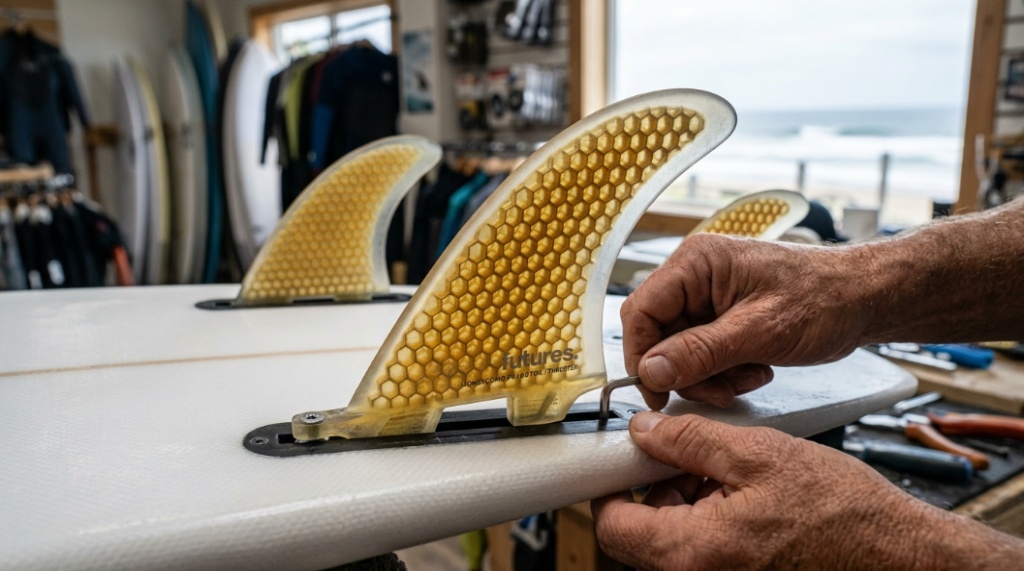
Softer flex fins load and release energy faster, helping surfers accelerate more easily in small waves.
Carbon-heavy fins often feel too stiff in weak surf unless the surfer is powerful or heavier. Honeycomb and fiberglass blends usually feel more lively in everyday grovel conditions.
Should You Use Smaller Center Fins?
Yes, many surfers use smaller center fins to reduce drag and increase speed in weak waves.
This setup loosens the tail and improves flow through flat sections. That is why many small-wave fin templates use a “large side fins + smaller trailer” configuration.
Which Fin Setup Works Best for Groveler Surfboards?
Twin plus trailer and performance thruster setups usually work best for groveler surfboards because they maximize speed while maintaining control.
The ideal setup depends on wave shape, board design, and surfing style.
| Fin Setup | Best For | Main Advantage | Main Drawback |
|---|---|---|---|
| Thruster | Everyday weak surf | Balanced control and drive | Can feel slower |
| Twin + Trailer | Small mushy waves | Maximum speed and flow | Less hold in steep sections |
| Quad | Fast weak point breaks | Excellent down-the-line speed | Can feel tracky |
| Twin Fin | Playful summer surf | Loose and fast | Reduced control |
Are Quad Fins Good for Weak Waves?
Yes, quad fins can work extremely well in weak waves because they generate fast down-the-line speed with less drag than traditional thrusters.
Many grovel boards are specifically designed around quad setups. The absence of a center fin increases release and acceleration.
Why Do Twin Plus Trailer Setups Feel Faster?
Twin plus trailer setups reduce drag while still adding enough rear control to maintain stability.
This configuration has become increasingly popular among surfers riding fish shapes, hybrid grovelers, and wider small-wave boards.
What Are the Best Groveler Fins for Weak Wave Speed?
The best groveler fins combine speed generation, responsive flex, and efficient release. The ideal choice depends on your surfing style and board setup.
1. FCS II Performer Neo Glass Eco
The FCS II Performer Neo Glass Eco fins are among the best all-around groveler fins for surfers who want easy speed generation and reliable control.
- Balanced template
- Fast acceleration in weak surf
- Works well for beginners and intermediates
- Affordable compared to premium carbon fins
These fins perform especially well on hybrid shortboards and wider grovelers.
2. Future Fins AM2 Honeycomb
The AM2 Honeycomb template delivers strong drive and controlled release in soft waves.
- Excellent projection
- Responsive flex pattern
- Good for powerful surfers
- Strong rail-to-rail transition
Surfers who like aggressive turns in weak waves often prefer this setup.
3. Captain Fin CF Twin Especial
The Captain Fin CF Twin Especial is one of the best speed-focused twin fin setups for weak wave surfing.
- Extremely fast in mushy surf
- Loose and playful feel
- Works perfectly with fish boards
- Excellent glide
These fins shine during summer surf conditions where maintaining speed becomes difficult.
4. FCS II Power Twin + Stabilizer
The FCS II Power Twin setup creates massive speed while maintaining enough control for progressive surfing.
- Large twin templates generate speed easily
- Small trailer improves stability
- Excellent for flatter waves
- Great for wide-tail grovelers
This setup has become highly popular among surfers riding retro-inspired hybrids.
5. Future Fins Controller Quad
The Controller Quad setup is designed specifically for generating speed in weak surf.
- Massive down-the-line drive
- Ideal for quad grovelers
- Fast projection through sections
- Excellent hold despite high speed
Many surfers use these fins for beach breaks with soft shoulders and long flat sections.
How Do You Choose the Right Groveler Fins for Your Weight?
The correct fin size depends heavily on surfer weight, power, and board volume. Oversized fins create drag, while undersized fins reduce control.
| Surfer Weight | Recommended Fin Size |
|---|---|
| Under 65 kg | Small |
| 65–80 kg | Medium |
| 80–95 kg | Large |
| 95+ kg | Extra Large |
Can Smaller Fins Increase Speed?
Yes, smaller fins can increase speed because they reduce drag. However, too little fin area can make the board unstable.
Many advanced surfers intentionally downsize fins during weak summer conditions to improve responsiveness.
Are Expensive Carbon Fins Better for Weak Waves?
Not always. In many weak wave conditions, softer fiberglass or honeycomb fins feel faster and more responsive than ultra-stiff carbon fins.
Carbon fins excel in powerful surf because they resist flex under heavy force. Weak waves usually do not provide enough energy to fully activate stiff constructions.
This is why many everyday surfers prefer:
- Honeycomb fins
- Neo Glass templates
- Fiberglass constructions
- Medium flex fins
These materials generate smoother acceleration and easier rail engagement in softer waves.
What Surfboard Shapes Work Best With Groveler Fins?
Groveler fins perform best on wider, higher-volume surfboards designed for speed generation in weak surf.
Popular grovel board designs include:
- Fish surfboards
- Hybrid shortboards
- Mini Simmons boards
- Stubby grovelers
- Wide squash-tail boards
Why Do Wide-Tail Boards Need Different Fins?
Wide-tail surfboards generate more lift and planing speed, which pairs better with larger side fins and faster templates.
A narrow high-performance fin can make a grovel board feel stiff and disconnected.
How Can You Generate More Speed in Weak Waves?
Generating speed in weak waves requires efficient pumping, proper board positioning, and low-drag fin setups.
Even the best groveler fins cannot compensate for poor technique. Small-wave surfing rewards efficiency.
Tips for Faster Weak Wave Surfing
- Stay high on the wave face
- Use smaller, quicker pumps
- Reduce unnecessary turns
- Keep your weight centered
- Choose flatter rocker boards
- Use speed-oriented fin templates
Professional surfers often look effortless in weak waves because they minimize drag and preserve momentum.
Do Professional Surfers Use Groveler Fins?
Yes, professional surfers regularly switch to specialized groveler fins during small-wave contests and summer sessions.
Surfers on the Championship Tour often adjust:
- Fin size
- Fin flex
- Trailer dimensions
- Quad versus thruster setups
During small-wave events, many professionals prioritize speed generation over vertical attack surfing.
Brands like Lost Surfboards, Channel Islands, and Pyzel Surfboards frequently pair their grovel models with specialized speed fin setups.
Are Twin Fins Better Than Thrusters for Weak Wave Surfing?
Twin fins are generally faster than thrusters in weak waves because they create less drag and generate more natural flow.
However, thrusters provide better control and predictability.
The choice depends on your surfing goals:
- Choose twins for speed and fun
- Choose thrusters for consistency
- Choose quads for maximum projection
What Is the Best Setup for Intermediate Surfers?
Most intermediate surfers perform best with balanced thruster setups because they combine speed, control, and forgiveness.
Highly loose twin setups can feel unstable for surfers still improving rail transitions.
How Often Should You Change Your Surfboard Fins?
You should consider changing your surfboard fins whenever conditions change significantly or when experimenting with board performance.
Many surfers underestimate how dramatically fins alter surfboard feel.
For example:
- Summer weak surf → use speed fins
- Powerful winter surf → use control fins
- Beach breaks → use responsive templates
- Point breaks → use drive-oriented setups
Testing multiple templates is one of the fastest ways to improve weak wave performance.
Conclusion: Which Groveler Fins Are Best for Weak Wave Speed?
The best groveler fins for weak wave speed are the ones that maximize drive, reduce drag, and match your surfboard design and surfing style. For most surfers, balanced honeycomb thrusters, twin plus trailer setups, or speed-focused quads deliver the biggest improvements in small surf.
Weak waves do not have to mean boring sessions. The right fins can completely transform how your board accelerates, projects, and flows through flat sections. Small adjustments in fin template, flex, and setup often create bigger performance gains than buying a brand-new board.
If you regularly surf mushy beach breaks or soft summer waves, investing in dedicated speed fins is one of the smartest upgrades you can make. Experiment with different setups, test how your board responds, and focus on maximizing momentum instead of forcing aggressive turns.
The surfers who have the most fun in weak conditions are usually the ones riding the right equipment.
FAQ: Best Groveler Fins for Weak Wave Speed
What are the best fins for small weak waves?
The best fins for small weak waves are wider-based fins with responsive flex patterns that create drive and reduce drag. Twin plus trailer and quad setups are especially popular.
Do larger fins help in weak waves?
Larger side fins can improve drive and projection in weak waves, but oversized center fins may create too much drag. Balance is important.
Are quad fins faster than thrusters?
Yes, quad fins are generally faster because they reduce center-fin drag and improve down-the-line speed.
What is the best fin material for groveling?
Honeycomb and fiberglass fins are often best for groveling because they provide responsive flex and easier acceleration compared to ultra-stiff carbon fins.
Can beginners use groveler fins?
Yes, beginners can absolutely benefit from groveler fins because they help maintain speed and improve wave-catching ability in small surf.
Should I use twin fins in mushy surf?
Twin fins work extremely well in mushy surf because they create fast, flowing speed with less drag than traditional thruster setups.
Do surfboard fins really make a difference?
Yes, surfboard fins dramatically affect speed, control, turning radius, and overall board feel. Changing fins can completely transform weak wave performance.
📌 Related Reads




Leave a Reply