

Key Takeaways
- Smart home technology boosts energy savings and elevates daily convenience.
- Sustainable construction materials offer both environmental and financial benefits.
- Multifunctional layouts allow spaces to adapt to evolving needs.
- Early planning for the future adds longevity, comfort, and accessibility to your home.
Building a custom home offers a unique opportunity to design a living space that fits your lifestyle, tastes, and long-term needs. By making calculated decisions at each phase of the project, future homeowners can ensure the final result stands the test of time, prioritizes comfort, and delivers value. For those considering their own build, learning about industry best practices and emerging trends is essential. Many people start their journey by exploring Custom Homes to understand the process, explore design ideas, and connect with reliable builders who turn visions into reality.
Success in custom home projects often relies on blending modern technology, energy-efficient strategies, and flexible designs. Whether constructing a primary residence or a future-proof investment, being informed about these smart choices will prepare you for a smooth building process and years of enjoyable living.
Choosing the right professionals and approach also makes a noticeable difference in the outcome. For homeowners who want to add premier finishes or unique architectural details, collaborating with the right team can set your home apart. There are many options to suit different budgets, yet quality is always crucial for lasting results.
If you are interested in elevated craftsmanship or distinctive designs, finding experienced Luxury home builders can ensure that every detail reflects your vision while supporting a seamless construction process.
Integrate Smart Home Technology
One of the most exciting advances in homebuilding is the integration of smart home features. Homeowners now have the option to install systems that automate lighting, climate control, security, and more. Smart thermostats, for example, adjust temperatures based on your daily habits and presence at home, optimizing comfort and reducing energy bills. Sophisticated security platforms offer peace of mind through cameras, alerts, and remote monitoring and control of access. These technologies provide both immediate and long-term advantages, from everyday convenience to cost savings and increased home resale value. For a broader look at how automation is changing modern living, The New York Times offers a comprehensive guide to smart home essentials.
Choose Sustainable Materials
Eco-friendly building materials are increasingly popular for their health benefits, environmental impact, and durability. Renewable resources such as bamboo and cork provide attractive flooring options that reduce reliance on traditional hardwoods. Using recycled steel or reclaimed wood for framing helps conserve natural resources and delivers a unique look. Low-VOC paints improve indoor air quality, making the home safer for families. Additionally, investing in energy-efficient insulation will bolster your home’s resistance to temperature shifts, further supporting lower utility bills.
Design Multifunctional Spaces
Modern families often need spaces in the home that can serve more than one purpose. Designing rooms with versatility in mind increases the home’s functionality. For instance, a spare bedroom can double as a quiet office with a Murphy bed and work desk, or a walk-out basement can function as a children’s play area by day and a home theater by night. Flexible spaces make it easier to accommodate changing lifestyles, from working remotely to hosting guests and extended family.
Plan for Future Needs
Forward-thinking design today can make life easier tomorrow. Homeowners are increasingly incorporating features that address aging in place or anticipate changing mobility needs. Wider hallways and doors, minimal or step-free entryways, and strategically reinforced walls for future grab bar installation ensure continued comfort and accessibility. By planning for possible renovations or additions, you also increase the home’s adaptability and long-term value.
Focus on Energy Efficiency
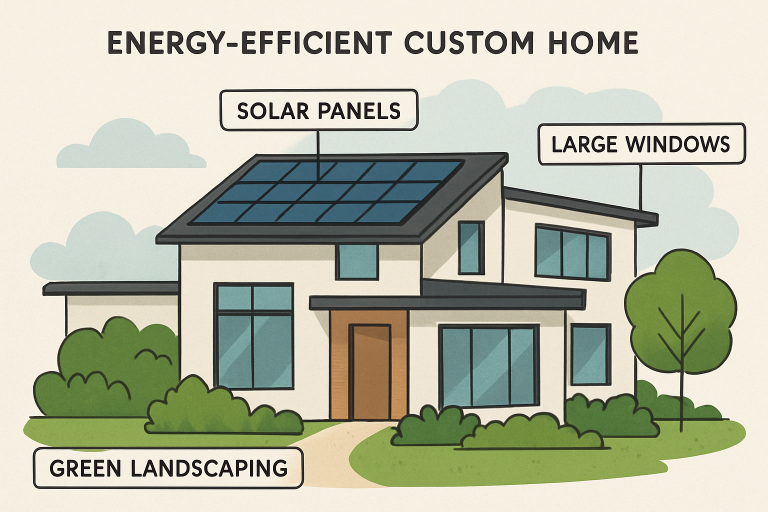
Energy efficiency remains central to sustainable home design. Upgrading to double or triple-pane windows keeps interiors cooler in summer and warmer in winter, while modern HVAC systems consume less energy for comparable comfort. Solar panels can generate a portion of your home’s electricity needs, lowering grid demand and monthly expenses. According to the U.S. ENERGY STAR program, incorporating certified appliances and energy-saving measures can result in substantial utility bill reductions over the life of your home.
Prioritize Quality Over Quantity
Instead of maximizing square footage, focus on investing in high-quality materials, fixtures, and finishes. Superior craftsmanship extends the lifespan of each feature, reducing maintenance time and costs. Choosing durable flooring, sturdy cabinetry, and robust countertops ensures your home remains in top condition with less frequent need for replacements or repairs, which also adds to resale appeal should you ever decide to move.
Incorporate Natural Light
Designing a home to take advantage of natural light creates warm, inviting spaces and can lower energy use. Large windows, skylights, and thoughtful room placement allow sunlight to flood the home throughout the day. Orientation to capture morning or afternoon light can also be considered with your architects and builders. Exposure to daylight has been linked to improved mood and well-being, making it a worthwhile element to prioritize.
Work with Experienced Professionals
Partnering with reputable architects, designers, and builders helps streamline every aspect of the custom home building process. Experienced professionals can foresee challenges, recommend trusted materials, and coordinate the various trades involved in construction. Transparent communication and clear contracts ensure timelines and budgets remain on target. Taking the time to assemble the right team provides peace of mind and delivers a finished product that aligns with both your vision and industry best practices.
By carefully researching and guiding their choices when building a custom home, homeowners can create an environment that is adaptable, efficient, and welcoming. With thoughtful design and planning, a custom home is not only a reflection of personal style but also a sound investment built to last for years to come.




Leave a Reply