
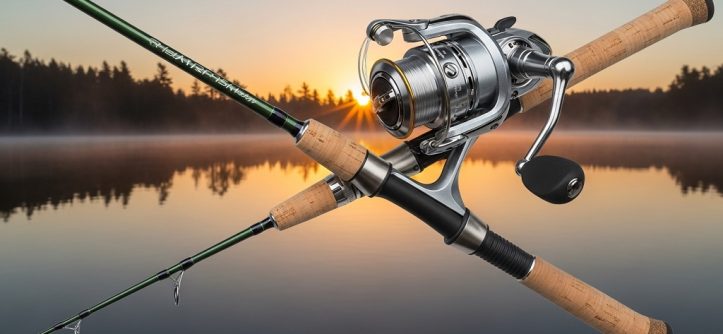
Choosing the perfect freshwater fishing combo can be overwhelming. With so many rod-and-reel options on the market, it’s easy to feel lost in technical jargon and marketing hype. Whether you’re a beginner or an experienced angler looking to upgrade, finding the right gear is essential for success.
Snippet Answer: The best freshwater fishing combo matches your target species, fishing style, and budget. Look for combos with balanced rod length, suitable power/action, and a reel that matches the line type and bait you plan to use. Comfort, durability, and versatility are key factors.
In this detailed guide, we’ll break down everything you need to know about selecting the ideal freshwater fishing combo. You’ll learn how to recognize quality gear, compare rod and reel features, and avoid common buying mistakes. Let’s get started!
What Is a Freshwater Fishing Combo and Why Does It Matter?
A freshwater fishing combo is a pre-matched set of fishing rod and reel designed for freshwater environments. Using a properly paired combo ensures balanced performance, prevents equipment failure, and enhances your fishing experience by reducing setup hassles and learning curves.
Many entry-level and intermediate anglers opt for combos because they simplify the buying process. The rod and reel work seamlessly together, minimizing compatibility issues. Brands engineer these combos for the right weight, action, and balance—especially crucial for beginners.
- Rod and reel are factory-matched: You won’t need to guess if they fit together.
- Ideal for various fishing types: From bass to trout, combos suit most freshwater species.
- Time-saving: Grab-and-go convenience is perfect for those eager to start fishing.
Selecting a freshwater fishing combo ensures you spend less time preparing and more time catching fish.
Which Features Should You Look for in a Freshwater Fishing Combo?
Prioritize rod length and power, reel type, line capacity, and build materials when choosing your freshwater fishing combo. These features directly impact casting distance, fish-fighting ability, and overall durability for freshwater environments.
Let’s break down each feature:
- Rod Length: Medium lengths (6’–7’) are versatile, balancing cast distance and control.
- Power and Action: Medium power and fast action work for most species, offering sensitivity and hook-setting ability.
- Reel Type: Spinning reels are user-friendly and flexible, while baitcasters suit heavier lures and advanced techniques.
- Line Capacity: Ensure the reel holds enough line for your target fish and fishing style.
- Materials: Graphite or composite rods and corrosion-resistant reels ensure longevity.
By focusing on these essentials, you maximize your chances of selecting a combo that meets your needs—whether fishing from shore or boat.
How Do You Match Your Combo to Your Target Fish Species?
To match your freshwater fishing combo to your target species, consider the typical size and fight of the fish. Choose rod power, action, and reel size that match species like bass, trout, or catfish to prevent breakage and optimize performance.
For example, delicate trout require a lightweight, sensitive rod/reel, while largemouth bass demand sturdier, medium to heavy setups. Researching your local waters and most common catches will guide your decision:
- Trout/Panfish: Light power, fast action, small reel (1000-2000 size).
- Bass/Walleye: Medium power, fast action, medium reel (2500-3000 size).
- Catfish/Pike: Medium-heavy power, moderate action, larger reel (4000+ size).
Selecting the right combo guarantees you land more fish without risking gear failure.

What’s the Difference Between Spinning and Baitcasting Combos?
Spinning combos feature open-faced reels and are easier for beginners, while baitcasting combos have revolving spool reels designed for precise, powerful casting. The choice impacts learning curve, casting style, and suitable fishing techniques.
Spinning combos are ideal for light lines, finesse tactics, and versatile applications. They’re less prone to tangling and easy to maintain. Baitcasters offer pinpoint accuracy and better control with heavy baits but require practice to avoid “backlashes” (line tangles).
| Feature | Spinning Combo | Baitcasting Combo |
|---|---|---|
| Ease of Use | Very easy, great for beginners | Steep learning curve |
| Accuracy | Good | Excellent with practice |
| Line Types | Light to medium | Medium to heavy |
| Main Target Species | Trout, panfish, small bass | Bass, catfish, pike |
| Maintenance | Low | Moderate |
Choose according to your fishing style and skill level for the best freshwater fishing combo experience.
How Important Are Rod Materials and Build Quality?
Rod material and build quality are crucial for performance and longevity. High-quality materials like graphite, fiberglass, or composites provide the balance, flexibility, and sensitivity needed for various freshwater conditions and species.
Graphite rods are sensitive and lightweight—great for feeling bites—while fiberglass offers strength and durability for hard-fighting fish. Many freshwater combos use a blend (composite) for balanced features. Tight, secure reel seats and corrosion-resistant guides are essential for reliability.
- Graphite: Lightweight, ultra-sensitive
- Fiberglass: Durable, forgiving for beginners
- Composites: Best all-purpose option
Cheap materials might fail when a big fish bites. Invest in reputable brands and inspect craftsmanship before buying.
How Does Combo Balance Affect Casting and Comfort?
Combo balance determines how comfortably and effectively you can cast for long periods. A well-balanced freshwater fishing combo feels natural in hand, reducing fatigue and improving accuracy with each cast and retrieve.
Poorly balanced combos (usually with mismatched rod and reel weight) can cause wrist, arm, or shoulder strain and disrupt natural casting motion. The rod should pivot easily with the reel attached, and feel steady and supportive, not tip-heavy or back-heavy.
When testing in-store, hold the combo by the grip and see if it balances horizontally where your hand sits. Good balance results in better sensitivity, more accurate casts, and fewer missed fish.
What Are Common Mistakes When Buying a Freshwater Fishing Combo?
Common mistakes include picking the wrong power/action, ignoring build quality, and choosing combos too advanced or too basic for your skill level. Avoid rushing the process or being swayed solely by price.
- Selecting a combo without considering target species
- Buying for price, not quality
- Overlooking ergonomics and grip comfort
- Ignoring compatibility (line, lures, etc.)
- Falling for marketing without researching reviews
Take your time. Hold multiple combos if possible, and always choose a setup tailored to your targets and the waters you’ll fish most.
How Should You Maintain and Care for Your Freshwater Fishing Combo?
Rinse your rod and reel combo with fresh water after each use and dry thoroughly. Lubricate moving reel parts regularly, and store the combo in a cool, dry place to prevent damage and ensure lasting performance.
- Clean rod guides and reel seats after every trip.
- Periodically oil the reel’s internal components.
- Check for nicks or cracks in the rod blank.
- Replace worn line to prevent snap-offs.
- Store vertically or in a padded rod holder.
Proper care preserves sensitivity, extends gear life, and helps you avoid expensive replacements.
Which Are the Top-Rated Freshwater Fishing Combos in 2024?
The best-reviewed freshwater fishing combos in 2024 combine quality materials, smooth reels, and user comfort. Top options include trusted names like Ugly Stik GX2, Penn Battle III, and Shakespeare Alpha—offering both spinning and baitcasting models for all experience levels.
| Combo | Rod Length | Power/Action | Reel Size | Best For |
|---|---|---|---|---|
| Ugly Stik GX2 Spinning Combo | 6’6” | Medium/Fast | 2500 | Bass, trout, versatile anglers |
| Penn Battle III Spinning Combo | 7’ | Medium/Moderate-fast | 3000 | Larger bass, walleye |
| Shakespeare Alpha Baitcast Combo | 6’ | Medium/Moderate | Baitcaster | Beginner baitcasting, bass |
Choose from these proven combos for a confident start in freshwater fishing.
Conclusion: Ready to Choose Your Freshwater Fishing Combo?
Finding the best freshwater fishing combo doesn’t have to be confusing. Start by assessing your target species, preferred techniques, and local waters. Focus on balance, build quality, and comfort. An ideal combo makes fishing more enjoyable—delivering reliable performance every trip.
Don’t rush your decision. Visit your local tackle shop or trusted online retailer, handle the combos in person if possible, and read real-world reviews. Investing in a quality rod and reel ensures more memorable (and successful) days on the water.
Take action now: Use this guide to narrow your choices and select the perfect freshwater fishing combo for your next adventure!
FAQ: Everything Else About Freshwater Fishing Combos
What is the difference between a freshwater and a saltwater fishing combo?
Freshwater combos are built for lakes and rivers, focusing on lighter lines and sensitivity. Saltwater combos use corrosion-resistant materials and heavier components to withstand harsher marine environments and larger fish.
Can I use a freshwater fishing combo for saltwater fishing?
Generally, no. Freshwater combos lack the corrosion protection needed for saltwater. If you use one in saltwater, rinse thoroughly after use, but prolonged exposure may still damage the components.
How can I tell if a combo is right for beginners?
Beginner combos feature simple drag systems, anti-reverse reels, medium rod power/action, and durable construction. Packaging and product descriptions often mention “starter” or “easy-to-use.
Should I buy a rod and reel separately instead of a combo?
Combos are convenient for most anglers, especially beginners. Separate rods and reels offer customization, but combos guarantee balance and compatibility with less hassle.
How long does a freshwater fishing combo last?
With regular maintenance, high-quality combos can last several years or more. Lower-quality combos may show wear after just a few seasons, especially with heavy use.
What line should I use with my combo?
Match your line to your reel’s specifications and intended species. Monofilament is universal, braid offers high strength, and fluorocarbon excels in clear water. Check your combo’s recommended line weights for best performance.
Do all combos come pre-spooled with line?
Not all combos are pre-spooled. Some come ready-to-fish; others require you to add your preferred line. Check product details or ask the retailer before purchase.
Read More Also: Pest Control: Balancing Efficiency and Environmental Impact
Learn More: How to Choose Budget Perfumes for Formal Occasions



Leave a Reply