
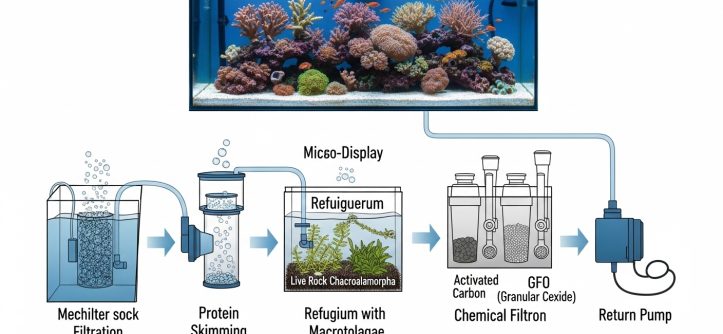
Starting a reef tank can feel overwhelming, especially when it comes to filtration. Choosing the best filtration for reef tank beginners is critical because it directly impacts water quality, coral health, and the ease of maintenance. Having the right filtration ensures your aquatic ecosystem thrives with fewer headaches right from the start.
Snippet Answer: To build the best filtration system for beginner reef tanks, combine mechanical, biological, and chemical filters. Prioritize a reliable protein skimmer and use live rock. Incorporate filter media like activated carbon, perform regular maintenance, and avoid over-complicating the setup for simple, effective results.
What filtration equipment do beginners need for a reef tank?
Beginners need a protein skimmer, live rock, mechanical filter media (like filter floss or sponges), and chemical filter media (like activated carbon). These components create a balanced environment for biological, mechanical, and chemical filtration of a beginner reef tank.
Selecting the right equipment can make or break your first reef tank. Here are the essentials:
- Protein Skimmer: Removes dissolved organic compounds before they decompose, preventing ammonia spikes.
- Live Rock: Provides a habitat for beneficial bacteria that process ammonia and nitrites.
- Mechanical Filtration: Filter pads or socks trap debris before it breaks down.
- Chemical Filtration: Media like activated carbon removes toxins, odors, and discolored water.
While advanced setups may use sumps or refugiums, these four core items are both beginner-friendly and highly effective. Start simple, and add complexity only as your experience grows.
How does each type of filtration work in a beginner reef tank?
Mechanical filtration traps debris, biological filtration uses bacteria to convert toxins, and chemical filtration removes dissolved impurities. Together, they ensure clean, stable water—critical for delicate coral and fish in beginner reef tanks.
Mechanical Filtration uses sponges, floss, or filter socks that physically remove particles suspended in the water. Regular cleaning is needed to prevent clogging.
Biological Filtration relies on beneficial bacteria colonizing surfaces (especially live rock) to convert ammonia into nitrites and then to non-toxic nitrates.
Chemical Filtration uses media like activated carbon and GFO (granular ferric oxide) to absorb harmful compounds, excess nutrients, and discoloration.
- Install mechanical filtration first to catch large particles.
- Ensure plenty of live rock for robust biological filtration.
- Add chemical media as your bio-load increases or water clarity drops.
Using all three creates a layered defense against water parameter swings, helping beginners avoid common problems.
Why is a protein skimmer important for reef tank beginners?
A protein skimmer removes organic wastes before they break down and release toxic substances. For beginners, this means fewer algae outbreaks, better water quality, and a more forgiving tank environment.
Protein skimmers inject air bubbles into the water column. These bubbles attract and trap dissolved organic compounds (DOCs). As the bubbles rise, they collect in a collection cup outside the water, safely removing waste.
By removing DOCs early, skimmers prevent the formation of ammonia and nitrite, both of which are toxic to corals and fish. Beginners benefit from the margin of safety, reduced need for frequent water changes, and a lower risk of crash events. When selecting a skimmer, choose a reliable brand rated for slightly above your tank’s volume for best results.
How much live rock is needed for optimum biological filtration?
Beginners should aim for 1 to 1.5 pounds of live rock per gallon of aquarium water. This ensures enough surface area for beneficial bacteria to thrive and efficiently process waste.
Live rock acts as both biological filter and habitat. It is colonized by nitrifying bacteria, which transform deadly ammonia into nitrite, then nitrate. Careful stacking maximizes flow and allows for beneficial bacteria to work efficiently.
Too little live rock can cause the nitrogen cycle to be unstable. Too much can reduce water flow and create dead zones. Choose porous rocks for maximum surface area, and avoid over-stacking. Rinse or cure live rock before introducing it to your tank to prevent introducing pests or die-off.
What are the top filtration brands and products for reef tank beginners?
Trusted brands for reef tank beginners include Seachem, Fluval, Eheim, Red Sea, and AquaMaxx. Recommended products include the Fluval FX4 canister filter, AquaMaxx HOB-1.5 protein skimmer, and Seachem Matrix bio-media for robust beginner filtration.
Choosing quality equipment means less stress and better results. Here’s a quick comparison of top picks for each filter type:
| Filter Type | Brand | Model | Benefits for Beginners |
|---|---|---|---|
| Protein Skimmer | AquaMaxx | HOB-1.5 | Easy setup, reliable, low noise |
| Canister Filter | Fluval | FX4 | All-in-one, large capacity, simple priming |
| Bio Media | Seachem | Matrix | High surface area, lasts long, effective bacteria growth |
| Chemical Media | Red Sea | REEF-SPEC Carbon | Low dust, fast acting, reef-safe |
Starting with tried-and-tested products reduces the learning curve and increases long-term satisfaction with your reef tank setup.
How should filtration be maintained in a beginner-friendly reef tank?

Regular maintenance is key: rinse mechanical filters weekly, replace chemical media monthly, and clean protein skimmers as needed. Avoid over-cleaning live rock to protect beneficial bacteria essential for biological filtration balance.
Maintenance routines should be simple and consistent. Here’s a suggested schedule:
- Weekly: Rinse filter pads, sponges, and socks in tank water during water changes.
- Bi-weekly: Clean protein skimmer collection cup and body.
- Monthly: Replace activated carbon or GFO media.
- As Needed: Inspect live rock for algae outbreaks or detritus buildup.
Never clean all filters or live rock at once. Staggering your cleaning sessions preserves the bacterial colonies that process waste, preventing mini-cycles or system crashes. Use tank water for rinsing to avoid chlorine exposure.
Can beginners use sumps or refugiums in their filtration setup?
Yes, beginners can use sumps or refugiums, but simple hang-on-back (HOB) filters and live rock are often easier. Sumps and refugiums offer more flexibility and filtration capacity but require more planning and plumbing skills.
A sump is an additional tank below or behind the main display where water is filtered and equipment is hidden. Sumps allow for protein skimmers, reactors, heaters, and even auto-top-off systems to be out of sight.
A refugium is a section within the sump or a separate area used to grow macroalgae and cultivate pods, helping regulate nutrients and provide food for fish and corals.
While these upgrades provide plenty of benefits, starting with simple HOB equipment reduces complexity. Once you’re comfortable, a sump or refugium can be incorporated later for extra stability and growth.
What common filtration mistakes should new reef keepers avoid?
Beginners often overcomplicate their filtration, neglect regular maintenance, or underestimate the importance of biological filtration via live rock. Avoid constant tweaks and stick with proven, basic methods for consistent water quality.
Here are frequent pitfalls—and actionable solutions:
- Using too many devices: Start simple—add upgrades as you gain experience.
- Over-cleaning: Stagger filter and rock cleaning to preserve bacteria.
- Skipping water changes: Filtration helps, but nothing replaces regular water changes for removing nutrients.
- Ignoring flow: Ensure proper water movement to prevent dead spots.
- Overloading the tank: Stock slowly, allowing the biological filter to adapt.
Recognizing these mistakes early can mean the difference between a thriving reef and major headaches.
How to customize your beginner reef tank filtration as your tank matures?
As your reef tank matures, consider adding reactors, upgrading skimmers, or starting a refugium for improved nutrient control. Monitor water parameters and adjust your filtration system based on stocking levels and coral growth.
Once basic filtration is stable, these upgrades can support a more diverse aquarium:
- Introduce a refugium to outcompete algae for nutrients.
- Add GFO or carbon reactors to target phosphate or organic buildup.
- Upgrade skimmers if you increase bio-load significantly.
Continual monitoring with test kits ensures your filtration evolves as the ecosystem does. Gradual improvements prevent shocking your tank and keep your reef thriving for years to come.
Conclusion: What is the best filtration for reef tank beginners?
The best filtration for reef tank beginners is a straightforward combination of a good protein skimmer, quality live rock, and accessible mechanical and chemical filtration. Start with trusted brands and products, maintain your equipment regularly, and expand your system as confidence and experience grow. Resist the urge to over-complicate things early on—simplicity will reward you with a healthier, more manageable reef.
Ready to set up a thriving reef tank? Invest in proven filtration components and follow a consistent maintenance routine. With proper equipment and care, your corals and fish will flourish, making your beginner journey both successful and enjoyable.
For more tips about reef tank setups, subscribe to our newsletter or ask your questions in the comments below!
FAQs: Best Filtration for Reef Tank Beginners
What is the easiest filtration for a beginner reef tank?
The easiest setup combines hang-on-back (HOB) filters, live rock for biological filtration, and a protein skimmer. This provides efficient, low-maintenance filtration and is simple to assemble without complex plumbing.
How often should I clean reef tank filters?
Clean mechanical filter media weekly, rinse chemical media monthly, and service your protein skimmer at least every two weeks. Always use tank water for rinsing to protect beneficial bacteria.
Can I use tap water for my reef tank filter?
Tap water often contains chlorine and impurities. It’s best to use reverse osmosis/deionized (RO/DI) water for mixing saltwater and for rinsing filtration media to avoid algae blooms and water quality problems.
Is live rock essential for filtration?
Yes, live rock is vital because it supports the biological filtration that keeps ammonia and nitrite levels in check. Dry rock can be seeded, but live rock jumpstarts the nitrogen cycle.
How do I know if my filtration is working?
Test your water for ammonia, nitrite, and nitrate regularly. Zero ammonia and nitrite with low nitrates indicate your filtration is functioning. Healthy, active fish and corals are also good signs.
Do I need a UV sterilizer as a beginner?
UV sterilizers are optional. They’re not essential for filtration but can help control algae and pathogens in established systems. Focus on basic filtration before adding UV equipment.
What upgrades can improve beginner filtration systems?
Popular upgrades include adding a refugium, media reactors, or an automatic filter roller. These improve nutrient export and water clarity, but are best added after mastering core filtration.
Read More Also: How to Pick Stylish and Functional Travel Tote Bags for Women
Find out: How to Select the Best Freshwater Fishing Rod and Reel Combo



Leave a Reply