
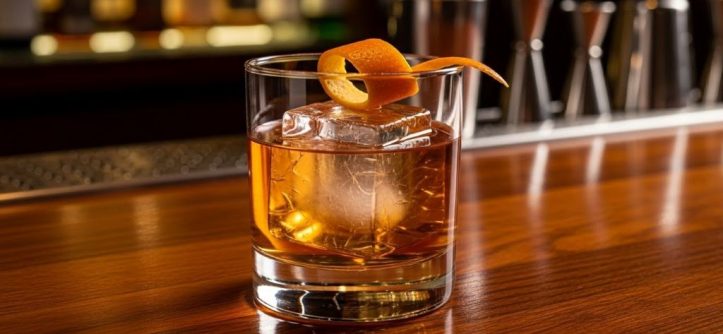
The term Old Fashioned carries significant weight in cocktail culture. Understanding what this name means helps you appreciate the drink’s rich history and enduring popularity. This article explores the origins, meaning, and importance of the Old Fashioned in classic cocktail terminology.
The Origin of the Name Old Fashioned
The Old Fashioned earned its name in the late 1800s. During this period, bartenders began creating elaborate cocktails with multiple ingredients. Many patrons found these new drinks too complex or overly sweet. Consequently, they asked bartenders to make cocktails the old-fashioned way.
This request meant returning to the original cocktail formula. The earliest cocktails were simple combinations of spirits, sugar, water, and bitters. Therefore, ordering a drink made the old-fashioned way became a common practice. Eventually, this phrase shortened to simply Old Fashioned.
The Pendennis Club in Louisville, Kentucky, claims to have invented the drink in the 1880s. However, the basic formula existed long before this claim. The name itself represents a preference for simplicity over complexity.
What the Term Old Fashioned Actually Means
In classic cocktail terminology, Old Fashioned refers to a specific preparation method. The term describes a drink made according to the original definition of a cocktail. This definition comes from an 1806 newspaper that described cocktails as spirits mixed with sugar, water, and bitters.
The name also signifies a resistance to modern trends. When bartenders started adding liqueurs, fruits, and other ingredients to drinks, traditionalists wanted something simpler. They requested drinks made in the old-fashioned style, without unnecessary additions.
Additionally, the term represents a category of drinks built directly in the glass. Unlike shaken or stirred cocktails served in separate glassware, Old Fashioned-style drinks are constructed in the serving glass itself. This method is part of what makes them old-fashioned.
The Classic Old Fashioned Formula
The traditional Old Fashioned follows a straightforward recipe. It contains whiskey, sugar, bitters, water, and a citrus peel garnish. Each ingredient serves a specific purpose in creating balanced flavors.
Whiskey forms the foundation of the drink. Bourbon or rye whiskey work equally well, depending on personal preference. The spirit should be of good quality since it dominates the flavor profile.
Sugar adds sweetness to balance the whiskey’s strength. A sugar cube or simple syrup both work effectively. The sugar helps mellow the alcohol while enhancing the overall taste.
Bitters provide complexity and depth. Angostura bitters are the traditional choice, though other varieties can create interesting variations. Just a few dashes suffice to add aromatic qualities.
Water comes from both the melting ice and any added during muddling. This dilution is essential for opening up the whiskey’s flavors. Too little water makes the drink harsh, while too much weakens it.
The citrus peel garnish, typically orange, adds aromatic oils. Expressing the oils over the drink releases fragrant compounds that enhance the drinking experience. According to Smithsonian Magazine, the Old Fashioned has remained largely unchanged since its creation.
How Old Fashioned Differs from Other Cocktails
The Old Fashioned stands apart from other cocktails in several ways. First, its simplicity distinguishes it from complex modern drinks. While contemporary cocktails often contain five or more ingredients, the Old Fashioned maintains just four basic components.
Second, the preparation method is unique. Building the drink in the glass rather than mixing it separately creates a different drinking experience. The flavors develop gradually as the ice melts and dilutes the mixture.
Third, the drink emphasizes the base spirit. Many cocktails mask the alcohol with juices, liqueurs, or other mixers. However, the Old Fashioned showcases the whiskey’s character. Therefore, the quality of the spirit directly impacts the final result.
Furthermore, the Old Fashioned represents a specific era in cocktail history. It embodies the pre-Prohibition approach to mixing drinks. This historical connection adds cultural significance beyond just flavor.
The Evolution of Old Fashioned Terminology
Over time, the term Old Fashioned has evolved in bartending culture. Initially, it described any drink made in the traditional style with any base spirit. Bartenders made brandy Old Fashioneds, gin Old Fashioneds, and rum Old Fashioneds.
Eventually, the whiskey version became so popular that it claimed the name exclusively. Today, ordering an Old Fashioned almost always means you will receive a whiskey-based drink. If you want a different spirit, you must specify.
The term also influenced other cocktail names. Drinks described as fashioned or styled follow similar principles. They typically feature a base spirit, sweetener, and bitters with minimal other ingredients.
Modern bartending has created variations like the Oaxacan Old Fashioned with mezcal or the Improved Whiskey Cocktail with additional liqueurs. These drinks acknowledge the Old Fashioned tradition while adding contemporary twists.
Regional Variations and Interpretations
Different regions have developed their own Old Fashioned traditions. In Wisconsin, the brandy Old Fashioned reigns supreme. This version uses brandy instead of whiskey and often includes fruit muddled into the drink.
The Wisconsin style also offers sweet, sour, or press options. Sweet means adding lemon-lime soda, sour means sour mix, and press means half soda water and half lemon-lime soda. These variations horrify cocktail purists but remain beloved locally.
New York and Chicago maintain more traditional approaches. Bartenders in these cities typically stick to the classic recipe with bourbon or rye. However, each bartender might have slight variations in technique or proportions.
Southern bartenders often prefer bourbon for Old Fashioneds, reflecting regional whiskey production. Northern bartenders sometimes lean toward rye whiskey for a spicier flavor profile. These preferences influence local interpretations of the classic drink.

The Cultural Significance of Old Fashioned
The Old Fashioned represents more than just a drink recipe. It symbolizes a connection to cocktail heritage and tradition. Ordering an Old Fashioned signals an appreciation for classic preparations over trendy innovations.
The drink has experienced several revival periods. After falling out of favor mid-century, it roared back in the 2000s cocktail renaissance. Shows like Mad Men popularized classic cocktails among younger drinkers. Consequently, the Old Fashioned became fashionable again.
This cultural resonance makes the drink a bridge between past and present. It allows modern drinkers to experience what their grandparents enjoyed. Additionally, it provides a foundation for understanding cocktail history and development.
The Old Fashioned also serves as a benchmark for bartender skill. Making a proper Old Fashioned requires understanding balance, dilution, and technique. Therefore, many consider it a test of bartending fundamentals. According to Bon Appétit, the drink’s enduring popularity stems from its perfect balance of simplicity and sophistication.
Common Misconceptions About Old Fashioneds
Many misconceptions surround the Old Fashioned. One common mistake involves muddling fruit into the drink. While some modern recipes include this step, traditional Old Fashioneds never contained muddled oranges or cherries.
The fruit garnish controversy continues among cocktail enthusiasts. Purists insist on only an orange peel, while others accept a cherry. The key distinction is that garnishes rest on top rather than being muddled in.
Another misconception concerns the type of whiskey. Some believe only bourbon works for Old Fashioneds. However, rye whiskey offers an equally authentic and often preferred alternative. The choice depends on whether you want sweeter or spicier flavors.
People also sometimes confuse Old Fashioned with old-timey. While the drink is indeed old, the name specifically refers to the preparation method. It is not just any antique cocktail recipe.
Furthermore, some think Old Fashioneds must be strong and harsh. Proper dilution makes the drink smooth and approachable. The ice serves an important purpose beyond just chilling.
Making an Authentic Old Fashioned
Creating an authentic Old Fashioned requires attention to detail. Start with a quality rocks glass. Place a sugar cube in the glass and add two to three dashes of Angostura bitters.
Add a small splash of water or club soda. Muddle the sugar until it dissolves completely. This step creates a syrup that distributes evenly throughout the drink.
Pour two ounces of bourbon or rye whiskey over the dissolved sugar. Add one large ice cube or several smaller cubes. Large format ice melts slower, providing better dilution control.
Stir the mixture gently for about thirty seconds. This step chills the drink and achieves proper dilution. Avoid stirring too vigorously, which can create excessive dilution.
Express an orange peel over the drink by holding it over the glass and giving it a firm squeeze. The citrus oils will spray across the surface. Wipe the peel around the glass rim and drop it into the drink as garnish.
Why the Name Matters Today
Understanding what Old Fashioned means enriches your cocktail knowledge. The name tells a story about cocktail evolution and consumer preferences. It reminds us that sometimes simpler is better.
The terminology also helps when ordering drinks. Knowing the classic definition prevents disappointment if you receive an unexpected variation. You can specify your preferences more clearly when you understand the drink’s foundation.
Additionally, the name preserves cocktail history. Each time someone orders an Old Fashioned, they participate in a tradition spanning over a century. This connection to the past adds meaning beyond just enjoying a beverage.
The term also influences how bartenders approach the drink. Understanding its meaning encourages proper technique and respect for tradition. This knowledge raises standards across the industry.
Conclusion
The term Old Fashioned in classic cocktail terminology represents far more than just a drink name. It embodies a preference for traditional preparation methods, simple ingredient lists, and spirit-forward flavors. The name originated when patrons requested drinks made the old-fashioned way, rejecting the elaborate cocktails that had become popular. Today, understanding what Old Fashioned means helps you appreciate cocktail history and order drinks with confidence. Whether you prefer bourbon or rye, traditional or regional variations, the Old Fashioned remains a timeless classic that continues to define excellence in cocktail culture.
Frequently Asked Questions
Why is an Old Fashioned called old-fashioned?
The drink is called Old Fashioned because patrons in the late 1800s requested cocktails made the old-fashioned way. This meant using the original cocktail formula of spirit, sugar, water, and bitters without modern additions. The term stuck and became the official name.
What makes a drink an Old Fashioned versus other whiskey cocktails?
An Old Fashioned specifically contains whiskey, sugar, bitters, and water with minimal garnish. It is built directly in the serving glass rather than mixed separately. The drink emphasizes the whiskey with just enough sweetness and bitters to create balance.
Can you make an Old Fashioned with spirits other than whiskey?
Historically, yes. The term originally described any drink made in the traditional style regardless of the base spirit. However, today ordering an Old Fashioned typically means whiskey. If you want another spirit, specify it as a brandy Old Fashioned or rum Old Fashioned.
What is the difference between bourbon and rye Old Fashioneds?
Bourbon Old Fashioneds taste sweeter and smoother with notes of caramel and vanilla. Rye Old Fashioneds are spicier and drier with more complex flavors. Both are authentic choices, and preference depends on individual taste.
Should fruit be muddled in an Old Fashioned?
Traditional Old Fashioneds never include muddled fruit. The classic recipe uses only an orange peel garnish expressed over the drink. Some modern variations muddle oranges and cherries, but purists consider this incorrect. The garnish should be decorative, not integrated.
Related Topics:



Leave a Reply