
Key Takeaways
- Native and drought-tolerant plants save water and curb maintenance.
- Edible plantings blend aesthetic and practical benefits for homeowners.
- Outdoor living areas expand the functionality of the home and increase time spent outdoors.
- Technology like smart irrigation supports water conservation and plant health.
- Natural materials connect living areas with the surrounding environment.
With growing awareness of environmental concerns and the value of personal outdoor retreats, residential landscape design is rapidly shifting toward sustainability. Homeowners not only seek landscapes that are attractive but also responsible and in tune with the natural world. Engaging with expert landscape contractors is a strategic way to ensure that sustainable goals are thoughtfully integrated into home environments.
Modern sustainable landscape design focuses on strategies that lower water needs, increase biodiversity, and create spaces that promote both comfort and ecological health. By combining climate-appropriate plantings with innovative design, residents are creating outdoor spaces that support their lifestyles and the environment.
Incorporating sustainable principles is not just about selecting the right plants or adding eco-friendly technology. It’s a holistic approach that melds visual appeal, functionality, and resource stewardship.
Embracing Native and Drought-Tolerant Plants
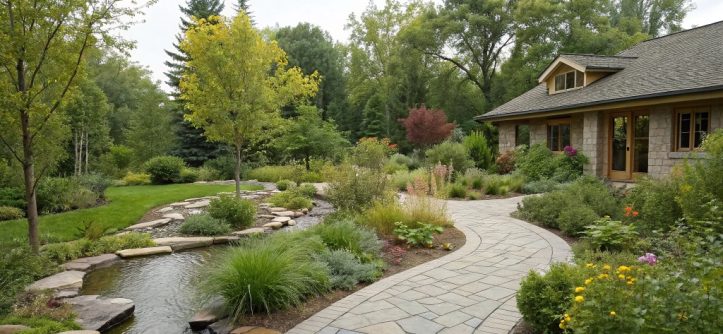
Utilizing native and drought-tolerant species is a foundation of sustainable design. These plants are adapted to local climates and soil conditions, so they thrive with minimal irrigation or pesticide use. Incorporating these principles into landscaping design & installation ensures long-term sustainability and efficiency for outdoor spaces. In places with hot summers or periodic droughts, switching to native options also means lower water bills and maintenance while supporting local wildlife and pollinators. Gardeners in Texas, for example, have seen significant benefits from native landscaping, including more resilient gardens and a greater abundance of beneficial insects
Integrating Edible Plants into Aesthetic Designs
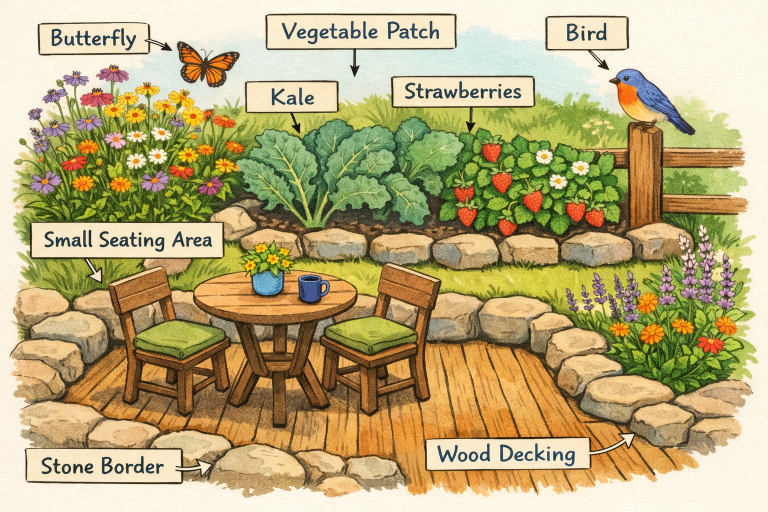
Foodscaping, the integration of edible plants into the residential landscape, is more than a trend. It adds both beauty and utility, enabling homeowners to harvest produce while enjoying a vibrant garden. Plants like kale, strawberries, and herbs seamlessly blend with ornamentals, creating colorful and productive displays. Vegetables and fruits no longer need to be hidden in a corner; instead, they can be woven into flowerbeds and along walkways for year-round color and function.
Creating Functional Outdoor Living Spaces
The movement toward outdoor living turns a yard into an extension of the home. Homeowners are investing in comfortable seating areas, outdoor kitchens, and pergolas, all designed to encourage relaxation and social gatherings. This approach recognizes that time spent outdoors can improve mental well-being and foster stronger family connections. Well-planned outdoor rooms use lighting, landscaping, and natural elements to create a seamless transition from indoors to out.
Implementing Smart Irrigation Systems
Technological innovations, especially in irrigation, play a crucial role in sustainable design. Smart irrigation systems use weather data and soil moisture sensors to deliver water only when and where it is needed. This prevents overwatering and reduces waste, supporting plant health and conserving a precious resource. The EPA notes that nearly a third of residential water use goes to landscaping, so these intelligent systems make a substantial difference for environmentally minded homeowners.
Incorporating Natural Materials and Textures
Natural materials such as wood, stone, gravel, and bamboo help blend built environments with nature. Using locally sourced or reclaimed materials where possible reduces the environmental footprint and adds authenticity to the design. Hardscaping with natural textures pairs well with native plants, creating layered, inviting spaces that invite touch and exploration. Textures introduced via decking, boulders, or mulched beds increase visual interest and create subtle boundaries within the yard.
Designing for Biodiversity and Wildlife Support
Sustainable home landscapes increasingly include features that attract and support pollinators, birds, and beneficial insects. Mixed plantings, layered planting beds, and blooming schedules designed to provide food year-round help sustain healthy wildlife populations. Even small additions, such as bird baths, bee hotels, or native wildflower strips, make meaningful contributions to biodiversity while creating a lively, ever-changing garden.
Utilizing Permeable Hardscapes
Hard surfaces like patios, walkways, and driveways are essential for functionality, but their design can significantly impact stormwater management. Permeable materials, such as porous pavers, gravel, or open-jointed stone, allow rainwater to filter into the soil rather than running off into storm drains. This technique not only reduces flooding risk but also promotes groundwater recharge and lessens the urban heat effect, making it a vital component in modern sustainable design approaches.
Final Thoughts
By adopting these sustainable landscape design practices, homeowners can achieve beautiful, resilient outdoor environments that benefit both people and nature. Thoughtful plant choices, the use of smart technologies, and a holistic approach to outdoor living create spaces that inspire, heal, and conserve. These efforts are leading today’s trend toward landscapes that are as environmentally responsible as they are inviting.




Leave a Reply