
Key Takeaways
- Consistent tire maintenance enhances vehicle safety and performance.
- Proper tire care can lead to improved fuel efficiency and cost savings.
- Regular inspections help identify issues before they escalate.
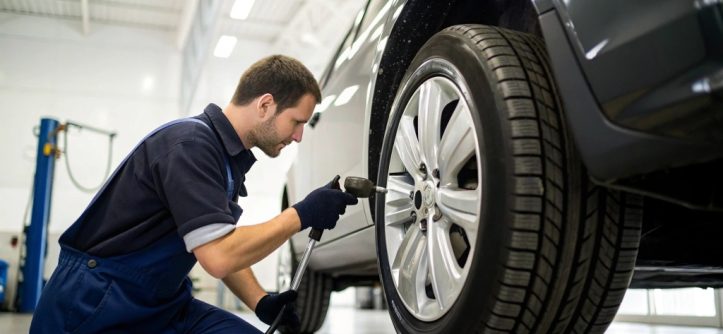
Maintaining your vehicle’s tires is more than just ensuring a quiet, comfortable ride—it’s essential to maximizing your car’s performance, safety, and longevity. Whether you’re driving locally or embarking on a long road trip, basic tire maintenance reduces road risks, prevents unexpected breakdowns, and saves money in the long term. If you’re ever in need of immediate service, professional Cleveland tire repair is just a click away for drivers in the area.
Consistent tire maintenance is an often-overlooked aspect of car ownership that yields measurable benefits in safety and fuel efficiency. It’s also a straightforward way to detect problems early and enhance vehicle reliability, helping drivers avoid more significant, costly repairs down the line. Every driver, from daily commuters to fleet operators, benefits from a proactive approach to tire care—and those savings extend well beyond the tires themselves.
Tires form the critical link between your vehicle and the road. As such, their condition directly influences vehicle handling, braking distance, ride comfort, and even stopping power. Neglected tires can result in uneven tread wear, lower gas mileage, and an increased risk of blowouts, ultimately shortening your vehicle’s lifespan as components compensate for failing tire performance.
For business owners and commercial operators, prioritizing regular fleet inspection not only preserves tire life but also improves safety standards and reduces fleet maintenance costs over the long term. Additionally, proper tire rotation and alignment during routine inspections can help prevent uneven wear and extend the overall lifespan of the tires. Regularly checking tire pressure ensures optimal fuel efficiency and helps maintain consistent vehicle handling.
Understanding the Importance of Tire Maintenance
Tire maintenance goes beyond checking for visible damage. Tires are subjected to constant stress from rough roads, potholes, and shifting loads. When tire health is compromised due to improper inflation, misalignment, or insufficient tread, the rest of the vehicle works harder, leading to premature wear on suspension, brakes, and steering components. According to the National Highway Traffic Safety Administration (NHTSA), about 11,000 tire-related crashes occur in the United States each year—a stark reminder of the real-world impact of poor tire maintenance.
Regular Inspections: The First Step
Monthly tire inspections are crucial for maintaining your vehicle’s safety and efficiency. Start by looking for cuts, punctures, bulges, or debris lodged in treads. Many issues that begin as small punctures can quickly develop into larger, tire-ending problems if not addressed early.
One simple method to check tread depth is the penny test: Insert a penny, Lincoln’s head down, into the tire tread. If you can see the top of Lincoln’s head, it’s time to replace your tires. Uneven tread wear could also indicate alignment or suspension issues that require further attention.
Maintaining Proper Tire Pressure
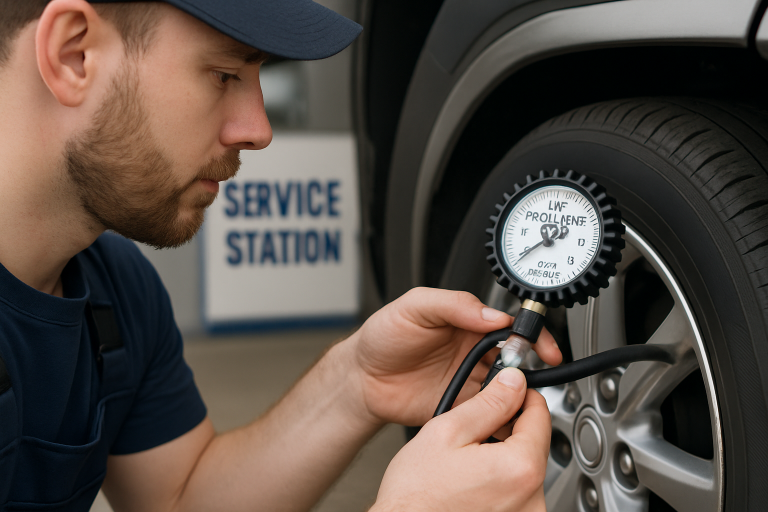
Tire pressure impacts everything from fuel economy to driving stability. Under-inflated tires create excessive rolling resistance, which increases fuel consumption and causes the outer edges of your tires to wear out faster. Over-inflated tires, conversely, result in a harsher ride and premature wear at the center of the tread. Check your tire pressure at least once a month (and before long drives), using the recommended levels listed on your driver’s door jamb or in your owner’s manual. This small, five-minute routine can extend tire lifespan by several thousand miles and improve fuel efficiency by up to 3%, according to the U.S. Environmental Protection Agency (EPA).
Regular Tire Rotation
Tires wear differently depending on their position on the vehicle. Front tires, for instance, experience more wear than rear tires due to the forces exerted during steering and braking. By rotating your tires every 5,000 to 7,500 miles—or as recommended by your vehicle’s manufacturer—you ensure more even tread wear across all four tires. Even wear prevents early replacements and helps maintain balanced handling. If you notice vibration, pulling, or irregular tread wear patterns, consult your mechanic for an immediate rotation and alignment check.
Wheel Alignment and Balancing
Proper wheel alignment is vital for a smooth, safe ride and long tire life. When wheels are misaligned—after hitting a pothole or curb, for example—you might notice the car pulling to one side or steering wheel vibration. This not only reduces comfort but also accelerates tire degradation. Routine alignment and balancing checks every 12,000 miles help maintain optimal contact between tires and the road, minimizing uneven wear and maximizing control, especially in emergency maneuvers.
Replacing Tires When Necessary
Even the best-maintained tires need eventual replacement. Tire manufacturers generally recommend replacing tires every six to ten years, regardless of tread depth, as rubber compounds degrade over time due to exposure to heat, sunlight, and road chemicals. Cracks, tread separation, or persistent slow leaks are all indicators of replacement, as are repeated flats or visible steel cords. Check the manufacturing date on your tire’s sidewall, and if in doubt, seek advice from a qualified tire specialist or consult your vehicle’s manual.
Final Thoughts
Routine tire maintenance is an investment in your vehicle’s future—improving safety, protecting your wallet, and ensuring peace of mind on every drive. Simple habits, such as monthly inspections, maintaining proper tire pressure, periodic rotations, and regular alignment checks, go a long way in maximizing tire and vehicle longevity. Prioritizing these steps keeps your car running smoother, longer, and safer—whether for daily use or demanding fleet operations.


Leave a Reply