

San Francisco’s Victorian, Edwardian, and mid-century homes can offer details that newer construction rarely matches: bay windows, old-growth woodwork, generous ceiling heights, established streetscapes, and locations close to the city’s neighborhoods, parks, transit, and daily conveniences. But a successful purchase requires looking past a beautifully staged living room. The real decision rests on condition, documentation, future flexibility, and the cost of owning the property after closing.
Buyers reviewing Homes for Sale in San Francisco can benefit from a search process that considers architecture as well as practical ownership issues. Bonnie Spindler serves San Francisco buyers with a focus on historic and pre-1926 residential properties, including Victorian and Edwardian homes, and her San Francisco home-search page addresses the preservation, foundation-retrofit, and restoration considerations that can shape a purchase in neighborhoods such as Pacific Heights, Noe Valley, Inner Richmond, and Bernal Heights.
Why Older Homes Need a Closer Look
Age alone does not make a house a poor investment or a costly one. A carefully maintained 100-year-old home with updated systems and clear records may present fewer immediate concerns than a newer property with rushed renovations or unresolved drainage problems. Still, older houses often have more unknowns behind walls, beneath floors, and within prior additions.
Approach the home as a complete system. The structure, roof, plumbing, electrical capacity, heating, moisture control, permits, and neighborhood setting all matter. A property that feels distinctive can still be the right choice, but only if the buyer understands what is original, what has been improved, and what work may be next.
Step One: Confirm the Basic Facts
Before writing an offer, collect information that establishes what is actually being sold. Listing remarks are useful, but they should not replace property records, disclosures, and professional review.
- Confirm the year built, property type, square footage, lot dimensions, parking, storage, and outdoor space.
- Ask for dates and records for major renovations, including kitchens, baths, roofs, foundations, and utility upgrades.
- Review the present occupancy and determine whether any spaces are tenant occupied, owner occupied, vacant, or used differently than their recorded purpose.
- Study prior listing history and price changes without treating a prior asking price as proof of present value.
- Compare the current layout with available permit records, especially where garages, basements, attics, or lower levels appear finished.
Step Two: Review the Foundation and Seismic Work
In San Francisco, the area below the first floor deserves close attention. Older properties may have pier-and-post construction, cripple walls, masonry components, or foundations that were modified over time. Sloping floors, sticking doors, diagonal cracks, and uneven stairways do not automatically establish a structural problem, but they are useful reasons to ask for deeper evaluation.
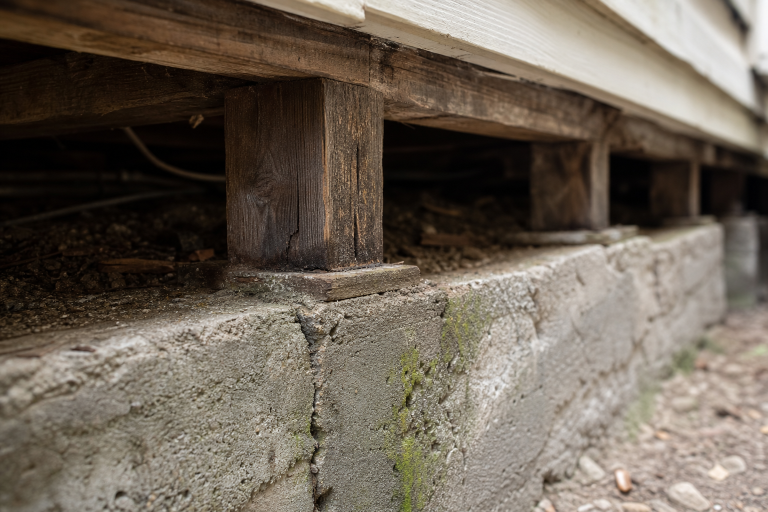
Request engineering reports, contractor invoices, permits, and final approvals for any seismic or foundation work. An experienced inspector or structural engineer can help distinguish ordinary age-related movement from a condition that requires repair. Buyers should also ask whether prior retrofit work affects plans for a future remodel, basement conversion, or addition.
Step Three: Inspect the Major Systems
Roof, drainage, and moisture
Ask about roof age, flashing, gutters, downspouts, drains, and past leaks. San Francisco’s fog, wind, rain, and hillside conditions can make water management especially important. Look in crawl spaces, garages, bathrooms, window surrounds, exterior walls, and areas near the foundation for staining, odors, rot, or other signs that warrant professional follow-up.
Electrical, plumbing, and heating
Have the inspection address the electrical panel, wiring, grounding, outlets, and capacity for modern appliances or future electrification. Review supply and drain lines, water pressure, visible corrosion, and evidence of prior leaks. Confirm the heating system’s type, age, maintenance history, and condition. These systems are rarely as visually exciting as original millwork, but their replacement can materially affect the first years of ownership.
Windows and original features
Original windows, doors, fireplaces, stained glass, plaster, flooring, and trim can be meaningful architectural assets. Separate repairs that preserve function from purely cosmetic projects. Obtain estimates before assuming that restoration is always less costly than replacement, or that replacement will be simpler. The best decision depends on the condition, performance, design goals, and applicable rules.
Step Four: Check Permits and Preservation Rules
Do not assume a finished room is legal living space or that a previous renovation received final approval. Verify permits for additions, conversions, structural work, plumbing, electrical upgrades, and major remodeling. If the house may be historically significant or located in a designated district, review the city’s historic-preservation requirements before planning exterior changes, window replacements, additions, or alterations to character-defining features.
Preservation review and building permits are separate issues that may both affect a project. Confirm the property’s status early, then speak with the appropriate city department and qualified professionals before making a purchase contingent on a major renovation plan.
Step Five: Budget for Ownership, Not Just Closing
A sensible budget includes more than the down payment, loan costs, and initial remodeling allowance. Request homeowners insurance quotes early and ask about deductibles, water-damage coverage, earthquake coverage, exclusions, and conditions that could affect insurability. Review property taxes, any assessments, and the ongoing cost of painting, roof care, drainage maintenance, exterior woodwork, and system servicing.
Maintain a repair reserve after closing. The appropriate amount varies with the inspection findings, the age of major systems, your planned improvements, and your tolerance for unexpected work. If a planned project requires permits, remember that permit applications have timelines, expiration rules, and extension procedures that can affect both scheduling and carrying costs.
Step Six: Study the Block, Not Only the House
Visit at different times of day and on a weekend. Note transit access, parking patterns, street noise, sunlight, wind exposure, hillside drainage, nearby commercial activity, and the practical route to work, school, groceries, or parks. Compare the home with recent nearby sales that share a similar property type, lot, condition, and level of renovation.
Also consider what may change around the property. Nearby construction, zoning, street activity, and development can influence privacy, noise, light, and resale appeal. A block that works well for one household may not suit another, regardless of how appealing the house appears online.
How to Build a Sensible Offer Strategy
- Set a maximum purchase budget before competition or emotion changes the plan.
- Estimate immediate repairs separately from elective improvements.
- Review disclosures, inspections, permits, title information, and comparable sales together.
- Decide which contingencies are necessary for your financial safety and renovation goals.
- Keep sufficient funds available for post-closing repairs and maintenance.
Questions Buyers Often Ask
Are older homes always more expensive to maintain?
No. Cost depends on past maintenance, materials, drainage, system age, and the quality of prior work. A well-cared-for older home can be more predictable than a neglected newer one.
Should I avoid unfinished retrofit work?
Not automatically, but unfinished or poorly documented work calls for further review. Understand the scope, projected cost, permit status, and timeline before moving forward.
Is a turnkey home always the safer choice?
Not necessarily. Inspect the quality of renovations, verify permits, and evaluate hidden systems even when finishes appear new.
Final Checklist Before Making an Offer
- Inspection completed or scheduled.
- Foundation and seismic history reviewed.
- Permit records and recorded use checked.
- Insurance quotes obtained.
- Repair estimates and ownership costs considered.
- Comparable sales reviewed.
- Post-closing reserve protected.
Buying an older home in San Francisco can be deeply rewarding when the decision is based on the whole property, not simply its most attractive rooms. Careful due diligence helps preserve the home’s character while giving buyers a clearer view of its condition, obligations, and long-term potential.




Leave a Reply