
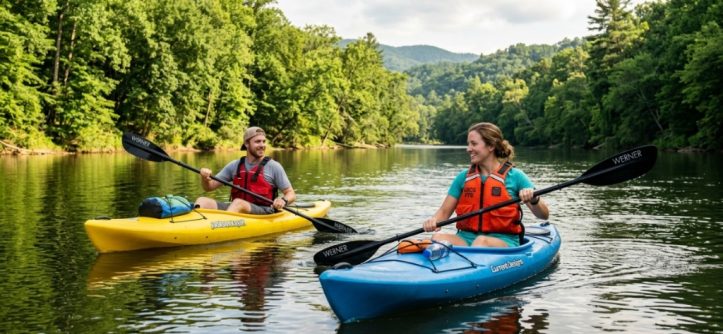
You are standing on the banks of the Cape Fear River, rod in hand, watching the sun rise over the water. The only thing between you and a fun day on the water is the nagging thought in the back of your mind: What if something goes wrong? Every year, North Carolina sees preventable drownings that could have been avoided with proper flotation. The problem is not a lack of life jackets, but a lack of knowledge about choosing and using the right one. This guide will help you master safety life jacket NC best practices so you can fish, paddle, or boat with total confidence.
What Does “Safety Life Jacket NC” Really Mean?
When we talk about a safety life jacket NC, we are referring to a personal flotation device (PFD) that meets both federal Coast Guard standards and the specific environmental conditions found in North Carolina waters. North Carolina has everything from calm mountain lakes to turbulent ocean inlets, so your jacket must be suitable for your specific activity and water type.
Understanding Coast Guard Approval
Every life jacket sold in the United States must have a US Coast Guard (USCG) approval label. This label tells you the type, performance level, and intended use. For North Carolina waters, always look for Type I, II, or III PFDs depending on where you are going. Type I is best for open, rough waters where rescue may take time. Type III is ideal for calm inland lakes and rivers.
Why NC Waters Demand Specific Gear
North Carolina has a unique mix of coastal sounds, fast-moving rivers, and deep offshore waters. The Outer Banks can have sudden rip currents. Mountain streams can turn rocky and cold. Your general-purpose life jacket may not work well in all these environments. Choosing a safety life jacket NC means matching the jacket’s buoyancy and fit to the specific body of water you plan to enjoy.
The Legal Requirement vs. Common Sense
North Carolina law requires every vessel to have one USCG-approved life jacket per person. Children under 13 must wear their jackets while the vessel is underway. But the law sets a bare minimum. True safety means wearing the jacket at all times, even if it is not legally required. A jacket stowed under a seat is useless in an emergency.
Why Is Life Jacket Safety Critical in North Carolina?
North Carolina ranks consistently among states with high boating accident rates, and drowning is the leading cause of death in these incidents. The majority of victims were not wearing a life jacket. Understanding the local risks makes the case for wearing one every time you are on the water.
Hidden Dangers in NC Waters
Cold water shock is a serious risk even in summer. Mountain rivers fed by snowmelt can be below 60°F, causing involuntary gasping and muscle failure. Coastal waters have strong tidal currents that can pull even strong swimmers under. A properly fitted life jacket keeps your head above water while you recover your breath or wait for help.
Statistics That Should Wake You Up
According to the US Coast Guard, 86% of drowning victims in recreational boating were not wearing a life jacket. In North Carolina, the most common contributing factors are alcohol use, operator inexperience, and sudden immersion. A life jacket is the single most effective tool to change that statistic. It adds minutes that can save your life.
Real-Life NC Rescue Stories
Local news reports frequently highlight cases where a life jacket made the difference. One fisherman capsized in the Neuse River and spent two hours floating before being rescued. He later told reporters, “That cheap orange vest saved my life.” These stories are not rare. They happen every season to people who thought they were safe without one.
How Do I Choose the Right Life Jacket for NC Waters?
Choosing the right life jacket involves more than picking the cheapest option from the shelf. You need to consider your weight, chest size, activity level, and the water conditions. A perfect fit today can become dangerous if you gain or lose weight or change the type of boating you do.
Key Factors to Evaluate
- Buoyancy rating: Adults generally need 15.5 to 22 pounds of buoyancy. Children need more relative to their weight.
- Fit and adjustment: The jacket should be snug but not restrictive. Lift your arms over your head; the jacket should not ride up.
- Material and durability: Nylon and neoprene are common. Nylon is lightweight and dries fast. Neoprene is more durable and comfortable for long wear.
- Additional features: Look for reflective tape, a whistle, a D-ring for a kill switch lanyard, and multiple adjustment points.
Activity-Specific Recommendations
If you are kayaking on the French Broad River, choose a high-back paddling jacket that does not interfere with your seat. If you are offshore fishing near Cape Hatteras, choose an inflatable Type V with a manual activation mechanism that will not accidentally deploy in rough weather. For children swimming at the beach, choose a jacket with a head support collar and leg straps.
Where to Find Trusted NC Gear
Local tackle shops and marine dealers in cities like Wilmington, Morehead City, and Charlotte carry seasonally appropriate inventory. You can also explore online retailers that specialize in regional gear. For a curated selection of top-performing models, check out this resource on safety life jacket NC options that have been tested for local conditions.
How Do I Properly Fit and Wear a Life Jacket?
A life jacket only works if it fits correctly. A loose jacket can slip off in the water. A jacket that is too tight can restrict breathing and movement. Fitting takes less than two minutes and should be done before every trip.
Step-by-Step Fitting Guide
- Unfasten all buckles and loosen all straps completely.
- Put the jacket on and zip or buckle it securely.
- Tighten the straps in the correct order: waist straps first, then shoulder straps, then side straps.
- Check the fit by lifting the jacket at the shoulders. It should not move more than three inches in any direction.
- Have someone check the fit from behind. The jacket should sit snugly against your body without gaping,When preparing for a family outing, make sure child-sized vests are securely fastened before handing them their gear, like the Best Kids Fishing Rod and Reel Combo, to ensure they stay safe while reeling in their first catch.
Common Fitting Mistakes
- Wearing a jacket that is too large because you think “it will still float me.”
- Leaving straps loose for comfort. Loose straps mean the jacket can come off on impact.
- Buying a jacket for a child that is “to grow into.” An oversized jacket can slip over a child’s head in the water.
Testing Your Fit in Safe Conditions
Before relying on a new jacket in an emergency, test it in calm, shallow water. Float on your back with your head tilted slightly back. Your mouth and nose should be well above the waterline. If you find yourself struggling to keep your face clear, the jacket is either too small or improperly adjusted.
Which Type of Life Jacket Is Best for NC Boating and Fishing?
The best type for you depends on your primary activity. North Carolina offers world-class fishing, paddling, and sailing, and each demands a different design. Choosing the wrong type can make your time on the water uncomfortable or even dangerous.
Type I vs. Type II vs. Type III vs. Type V
| Type | Best For | Buoyancy | Turn Ability |
|---|---|---|---|
| Type I | Offshore, rough waters | 22 lbs | Turns most unconscious wearers face-up |
| Type II | Calm inland waters, near shore | 15.5 lbs | May not turn unconscious wearer |
| Type III | Paddling, fishing, watersports | 15.5 lbs | Does not turn wearer face-up |
| Type V | Special activities (hybrid/inflatable) | Varies | Depends on design |
Inflatable vs. Inherently Buoyant
Inflatable jackets are comfortable and unobtrusive, but they require regular maintenance and manual or automatic inflation. Inherently buoyant jackets (foam) are always ready to use and do not rely on a cylinder or mechanism. For NC inshore fishing where you are constantly casting, an inherently buoyant jacket is more reliable. For offshore trips where comfort during long runs matters, an inflatable is preferred.
Top Features for Fishermen
Fishing-specific life jackets often include pockets for pliers, hooks, and leaders. They have high-back designs that do not interfere with a fishing seat. Look for a jacket with a bright color like orange or yellow for visibility, and a whistle for signaling. Avoid dark colors that can make you hard to spot in the water.
How Often Should I Inspect and Maintain My Life Jacket?
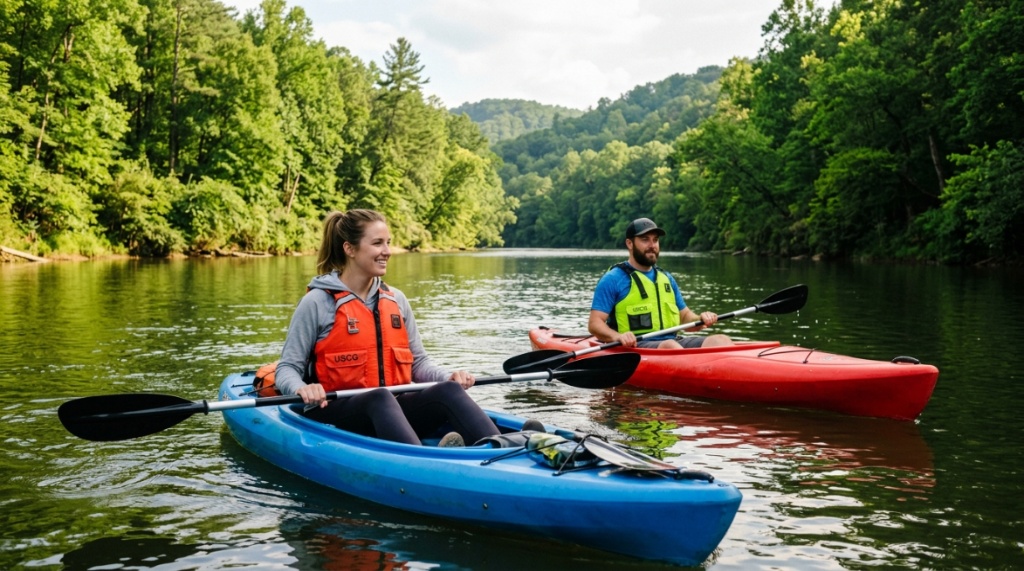
Your life jacket is safety equipment, not a piece of disposable gear. Regular inspection ensures it will work when you need it most. Saltwater, sun, and general wear degrade materials over time, and a jacket that is three years old may no longer be reliable.
Monthly Inspection Checklist
- Check webbing and straps for fraying or cuts.
- Examine buckles and zippers for corrosion or breakage.
- Look for discoloration or stiff spots in foam (signs of waterlogging or chemical breakdown).
- Test inflation chambers (if inflatable) by manually inflating and leaving for 24 hours to check for air loss.
- Inspect CO2 cylinders for corrosion and ensure they are fully threaded and not expired.
When to Replace Your Life Jacket
Replace any jacket that has been in a serious impact or has visible damage to the outer shell. If the foam feels crunchy or hard, it has lost buoyancy. Inflatable jackets should have their inflation cylinders replaced according to the manufacturer’s schedule, typically every one to three years. A jacket that is more than 10 years old should generally be retired regardless of condition.
Storage Tips for Longevity
Store life jackets in a cool, dry place away from direct sunlight. Do not leave them in a hot car trunk or on a boat deck exposed to UV rays. Hang them loosely rather than folding them tightly, which can crease the foam. Rinse with fresh water after each use in saltwater to prevent corrosion of metal parts.
Can Children and Pets Travel Safely with Life Jackets in NC?
Yes, but special considerations apply. Children and pets have different body shapes and behaviors that require careful jacket selection. In North Carolina, children under 13 must wear a life jacket while the vessel is underway, but the law does not cover pets. Responsible boaters will take extra steps to protect their entire family.
Choosing a Children’s Life Jacket
Children’s life jackets must have a USCG approval label and a weight range clearly marked. They should include a grab handle on the collar for easy rescue, leg straps to prevent the jacket from riding up, and a head support collar to keep the child’s face out of the water. Never buy a child a jacket that is too large, thinking they will grow into it. It is dangerous.
PFDs for Dogs on NC Waters
Not all dogs are strong swimmers, and even strong swimmers can tire quickly in currents or cold water. A dog life jacket should have a handle on the back for lifting your pet back into the boat, bright colors for visibility, and a belly strap that keeps the jacket secure. Measure your dog’s chest girth and neck size carefully before purchasing.
Introducing Your Child or Pet to Their Jacket
Let your child wear the jacket around the house before the trip so it feels familiar. For dogs, let them sniff and explore the jacket before putting it on. Start with short wear times on land, then progress to calm water. Positive reinforcement helps both children and pets accept the gear as normal.
What Are the Common Life Jacket Mistakes People Make?
Even experienced boaters make errors that reduce the effectiveness of their life jackets. The most common mistake is simply not wearing the jacket. The second most common is wearing it incorrectly. Small errors can have fatal consequences.
Mistake #1: Relying on a Single Jacket for Everyone
One jacket size does not fit all. A universal adult jacket may be safe for a 200-pound man but dangerous for a 120-pound woman. Children need jackets designed for their weight range. Passengers of different sizes should each have jackets that fit them personally.
Mistake #2: Ignoring the Condition of an Older Jacket
Many boaters inherit or buy used life jackets without checking them. Foam degrades over time, and CO2 cylinders can leak. A jacket that looks fine on the outside may have lost half its buoyancy. Always test a used jacket in water before relying on it.
Mistake #3: Wearing a Jacket That Is Too Big or Too Small
This seems obvious, but it happens constantly. A big jacket slides up and can trap a person’s arms, making swimming impossible. A small jacket cannot provide enough buoyancy to keep the wearer’s head above water. Follow the weight and chest size guidelines printed on the jacket’s label.
Where Can I Find Trusted Life Jacket Resources in North Carolina?
North Carolina has excellent resources for boating safety education and gear selection. Taking a course and talking to local experts can dramatically improve your safety knowledge. The state also offers free life jacket loaner programs at many public access points.
State-Sponsored Safety Courses
The North Carolina Wildlife Resources Commission offers free online and in-person boating safety courses. These courses cover life jacket selection, fitting, and state laws. Completing a course also qualifies you for a discount on boat insurance. Many courses are available in Spanish as well.
Life Jacket Loaner Programs
Several state parks and marinas offer free life jacket loaner programs. You can borrow a jacket for the day if you forget yours or if you have unexpected guests. These programs are especially helpful for children. Look for the “Kids Don’t Float” stations at popular boating ramps.
Local Experts and Retailers
Local tackle shops like those in Beaufort, Swansboro, and Wrightsville Beach employ staff who use the same waters you do. They can recommend jackets that work well for local species and conditions. They may even let you try on several models to find the perfect fit.
Frequently Asked Questions
Do I need a life jacket on a kayak in North Carolina?
Yes. North Carolina law requires one USCG-approved life jacket per person on any vessel, including kayaks and canoes. Children under 13 must wear their jacket while the vessel is underway.
Can I use an inflatable life jacket for fishing in NC?
Yes, but only if you are over 16 years old and the jacket is USCG-approved. Inflatable jackets are not recommended for weak swimmers or for children. Always ensure the inflation mechanism is in good working order before each trip.
How do I know if my life jacket is USCG-approved?
Look for a label sewn inside the jacket that says “US Coast Guard Approved” along with the type number and approval number. If the label is missing or illegible, the jacket is not legally compliant for use on North Carolina waters.
What is the penalty for not wearing a life jacket in NC?
For children under 13 who are not wearing a life jacket while the vessel is underway, the operator can receive a citation with a fine. For adults, the penalty applies to not having enough jackets on board, not for failing to wear them. Fines vary by county.
Can I use a life jacket that is more than 10 years old?
It is not recommended. Foam can degrade and lose buoyancy over time. Inflatable jackets have components that expire. Even if the jacket appears fine, replace it after 10 years or if it shows any signs of wear, damage, or waterlogging.
Do I need a different life jacket for offshore fishing?
Yes. Offshore fishing in the Atlantic Ocean or Pamlico Sound requires a Type I life jacket with 22 pounds of buoyancy. These jackets are designed to turn an unconscious person face-up in rough water. A Type III jacket used for inland fishing is not sufficient for offshore conditions.
How tight should a life jacket be on a child?
A child’s life jacket should be snug but not restricting. After buckling, lift the jacket at the shoulders. It should not move more than three inches. The jacket should not ride up past the child’s ears when lifted. Leg straps are essential to prevent the jacket from slipping off in the water.
Conclusion
Mastering safety life jacket NC principles is not about following rules, it is about protecting the people you care about. From the mountain streams of the Blue Ridge to the surf of the Outer Banks, North Carolina offers some of the best fishing and boating in the country. Do not let a preventable accident ruin your day or your life. Choose a jacket that is USCG-approved, fits properly, and matches your activity. Inspect it regularly and replace it when it shows wear. Wear it every time you leave the dock, even for a short trip. The few seconds it takes to buckle up could be the most important seconds of your life.
Take action now: check your current life jacket inventory, replace any that are worn out, and make sure every member of your crew has a properly fitted jacket. Your next venture into NC waters will be safer, smarter, and more enjoyable.


Leave a Reply