
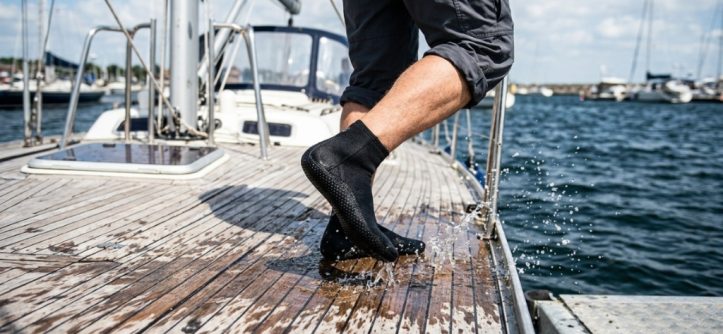
There you are, knee-deep in water at your favorite rocky shore, having a great time—until your feet start sliding on a mossy stone. That sudden loss of balance can turn a perfect beach day into a painful afternoon. The solution isn’t complicated. You need anti slip water socks non slip water socks designed to keep you stable on unpredictable surfaces. These specialized socks combine a snug fit with textured soles, giving you the confidence to walk, wade, or paddle without constantly checking your footing. The challenge is that not all water socks are created equal. Some grip well on dry surfaces but fail when wet. Others wear out quickly after a few uses. This guide breaks down exactly what to look for so you can choose a pair that delivers dependable traction in the environments you actually explore.
What Makes a Water Sock Truly Non-Slip?
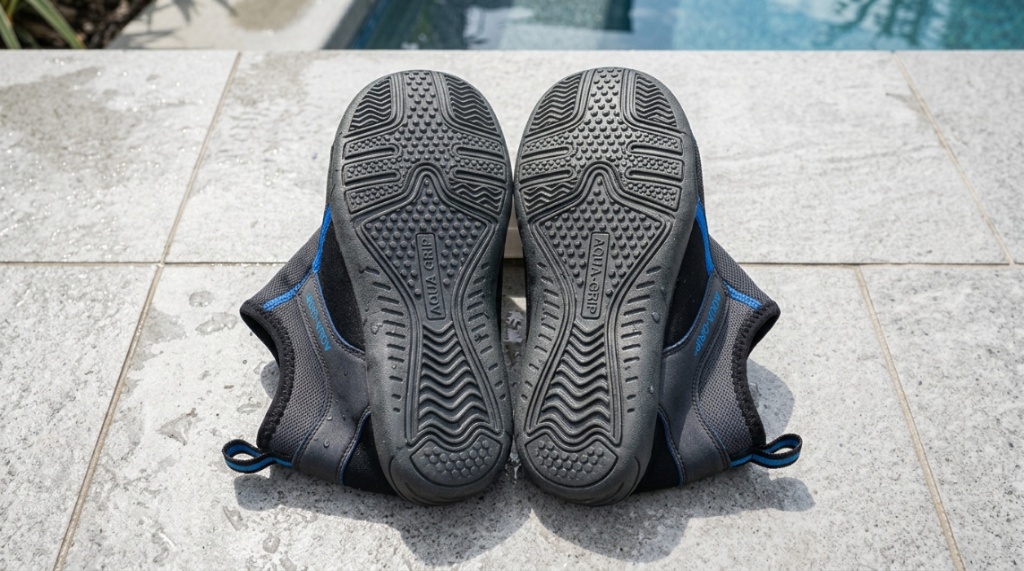
A non-slip water sock grips through a combination of material composition, tread pattern, and sole thickness. The rubber or thermoplastic elastomer (TPE) used on the bottom must maintain friction even when submerged in water, mud, or algae. The pattern of the tread—whether it features deep lugs, small nubs, or a wavy design—determines how it channels water away from the contact patch. Thin soles with shallow patterns often fail because they compress under body weight, reducing contact. A truly non-slip sock will have a sole at least two to three millimeters thick with aggressive tread spacing to push water out from underfoot.
Key Materials That Enhance Grip
- Natural rubber: Offers excellent wet traction but can be heavy.
- Thermoplastic rubber (TPR): Balances grip with flexibility and lighter weight.
- Silicon-infused soles: Provide extra stickiness on smooth, wet surfaces like pool bottoms or boat decks.
- EVA foam: Common in budget models but tends to lose grip when saturated.
Understanding Tread Patterns
Look for multidirectional lugs or small hexagonal patterns. These designs create multiple edges that bite into slippery surfaces. Simple horizontal or vertical lines provide less stability because water can travel along the grooves instead of being expelled.
Why Grip Matters More Than You Think
Grip directly affects your safety, endurance, and overall enjoyment in water environments. Falls on wet rocks or boat decks are a leading cause of injuries at beaches, rivers, and lakes. Beyond safety, good traction reduces the micro-adjustments your muscles make to keep you balanced. Over an hour of walking on slippery terrain, those small corrections add up to real fatigue. With proper grip, you conserve energy and can stay active longer. This matters whether you are snorkeling near coral, launching a kayak, or simply helping your kids explore tide pools.
How to Test the Grip Before Buying
You can test grip without getting wet. Press the sole against a smooth surface like a tile floor. Try to slide the sock forward. Quality non-slip socks will resist movement even without body weight. Next, bend the sole. If it creases deeply, the tread may close up under pressure, reducing grip. You want a sole that remains flexible but does not collapse. Another practical test is to rub the sole against a wet piece of glass or a damp stone. Many outdoor retailers allow you to do a quick hands-on check. Alternatively, read reviews that specifically mention performance on wet rock, boat decks, or pool bottoms.
Which Surface Types Require the Most Grip?
Different surfaces demand different tread characteristics. Smooth, wet boat decks are the most dangerous because they combine low friction with instability. Look for a dense pattern of small rubber studs. Mossy or algae-covered rocks require deep lugs (3–4 mm) that can penetrate the slime layer and bite into the rock surface. Sandy or muddy bottoms need a self-cleaning tread design that releases debris. For swimming pools with smooth tiles, a silicon-infused sole works best. If you plan to walk on multiple surfaces, choose a universal tread pattern with moderate depth and a rubber compound rated for wet use.
When Are Anti Slip Water Socks Most Crucial?
Anti-slip water socks are most crucial during activities that combine unstable footing with body momentum. Kayaking and paddleboarding require you to shift weight quickly on a wet deck. Snorkeling often involves walking on sharp coral rock or slippery reef shelves. Fishing in rivers means standing on water-slicked stones while casting. Even simple beach walks after a rain can turn treacherous on packed, wet sand. Any time your center of gravity is moving—especially with gear in your hands—good grip is essential. Don’t wait until you feel your feet slide; wear them proactively during these higher-risk moments.
Finding the right footwear keeps you safe and stable. For a broader look at versatile gear options, check out our guide on the Best Shoes and Socks for Indoor and Outdoor Activities.
How to Choose the Right Sole Thickness
| Sole Thickness | Best For | Grip Level | Durability |
|---|---|---|---|
| 1–2 mm | Pool use, boat decks | Moderate | Low |
| 2–3 mm | Rocky shores, light kayaking | High | Medium |
| 3–5 mm | Sharp coral, river walking | Very High | High |
Thicker soles provide better protection from sharp objects and more aggressive tread depth. However, they also reduce ground feel. For technical walking on uneven rocks, 3–4 mm is the sweet spot. For leisure use around a pool or boat, 2 mm is sufficient.
Can You Improve Grip on Existing Water Socks?
Yes, you can improve grip on water socks that have worn smooth. Apply a thin layer of clear silicone caulk to the bottom in a grid pattern. Let it cure for 24 hours before using. This creates a temporary gripping surface. Another quick fix is to use adhesive rubber sole patches designed for slippers. These are available at hardware or craft stores. Simply measure, cut to size, and peel and stick. The benefit is a renewed grip, but the downside is that these fixes can peel off after extended use. For a permanent solution, replace the socks when the original sole has worn down beyond 1 mm of tread depth.
How Do Neoprene Water Socks Compare to Mesh Styles for Grip?
Neoprene water socks generally provide better overall grip because the thicker material holds the foot more securely inside the sock, reducing slippage between your foot and the sole. This internal stability translates to external traction. Mesh styles are lighter and dry faster, but the loose fit can allow your foot to shift inside, reducing the pressure you apply to the sole. For superior grip, neoprene with a reinforced heel and toe pocket is the stronger choice. For hot climates or quick-dry needs, choose a mesh style with a snug elastic cuff to minimize internal movement. You can find excellent options among anti slip water socks non slip water socks that combine both features well.
Size and Fit: The Overlooked Grip Factor
A perfectly sized water sock prevents internal slipping. If your foot slides inside the sock, the sole cannot maintain consistent contact with the ground. Measure your foot length and width before purchasing. Choose socks that fit snugly without compressing your toes. Heels should not lift when you walk. Socks that are too loose create pressure points and blisters while reducing grip. Socks that are too tight restrict circulation and cause cramping. Many brands size by shoe size, but check the specific sizing chart. If you are between sizes, go smaller for neoprene (which stretches) and larger for mesh (which does not).
Quick Fit Checklist
- Toes touch the end but are not curled.
- Heel fits securely without gap.
- No bunching of fabric under the arch.
- Ankle collar sits snugly without cutting in.
Which Tread Pattern Works Best for Wet Rock?
For wet rock, choose a tread pattern with deep, independent lugs arranged in a chevron or hexagonal pattern. These shapes create multiple biting edges and allow water to escape from multiple directions. Avoid horizontal bars or smooth diamond patterns, as water can pool under them. The rubber compound must be soft enough to conform to rock micro-texture but hard enough to resist wear. A durometer rating of 40–50 Shore A is ideal. Some manufacturers list this specification. If not, press your thumbnail into the tread; it should leave a slight mark but not gouge deeply.
How to Maintain the Grip Over Time
Maintaining grip starts with cleaning after each use. Saltwater, sand, and algae build up in the tread, reducing friction. Rinse socks with fresh water and scrub the soles gently with a soft brush. Allow them to air dry completely out of direct sunlight to prevent rubber from cracking. Avoid machine washing or drying, as heat can degrade the rubber compound. Store them flat, not folded, to prevent creases that can crack the sole. If you notice the tread wearing thin on the heel or toe, it is time to replace them. Worn socks lose up to 60% of their original grip.
Budget vs. Premium: Does Price Affect Grip?
Price does affect grip quality, but not always directly. In budget socks (under $15), the rubber compound is often harder and less capable of sticking to wet surfaces. Tread patterns are simpler and wear out faster. Mid-range socks ($15–$30) typically use TPR or natural rubber blends with well-designed patterns. Premium socks ($30–$50) often feature proprietary rubber compounds, multidirectional lugs, and reinforced soles that maintain grip for hundreds of uses. You do not need the most expensive pair unless you are regularly walking on sharp coral or glacier-smooth boat decks. For most beachgoers and kayakers, mid-range models provide excellent grip at a fair price.
Frequently Asked Questions
Are water socks the same as water shoes for grip?
No. Water socks are thinner, more flexible, and designed for maximum ground feel with moderate grip. Water shoes have thicker, stiffer soles with more aggressive tread patterns, offering better protection and traction on rough terrain.
Can I wear anti-slip water socks on hot sand?
Yes, but only briefly. The thin sole does not insulate well against high heat. For extended walks on hot sand, look for socks with a thicker rubber outsole or wear them with water shoes.
How long do anti-slip water socks last with regular use?
With regular weekend use, expect 6–12 months. Factors that shorten lifespan include exposure to chlorine, saltwater, direct sunlight, and walking on abrasive surfaces like concrete or sharp rocks.
Do anti-slip water socks work on algae-covered rocks?
They help, but no sock can fully grip on thick, slimy algae. The tread can penetrate thin layers, but heavy algae buildup reduces friction significantly. Avoid these surfaces when possible.
Can I wear water socks for running on wet trails?
Water socks are not designed for running. The thin sole lacks cushioning and stability for impact. Use them for walking, wading, and standing. Choose a dedicated trail runner for wet trail running.
What is the best way to dry water socks quickly?
Roll them in a dry towel to absorb excess moisture, then hang them in a ventilated area away from direct heat. Do not use a dryer. Air drying takes 4–6 hours in normal conditions.
Conclusion
Choosing anti-slip water socks is not about picking the cheapest pair or the most expensive brand. It is about matching tread pattern, sole thickness, material, and fit to the specific surfaces you encounter. Focus on deeper lugs for rocky environments, softer rubber compounds for smooth decks, and a snug fit that keeps your foot locked in place. Clean them after every outing and replace them when the tread wears thin. By making an informed choice, you protect yourself from unnecessary falls and extend the time you can comfortably enjoy your water activities. Take a moment to assess your needs, then invest in a pair that gives you the confidence to step anywhere without hesitation.



Leave a Reply