

Fishing waders are one of the most important pieces of equipment for anglers who spend time in rivers, lakes, and coastal waters. A durable pair protects you from cold water, sharp rocks, and constant wear. But many anglers make the mistake of buying cheap gear that leaks or tears after one season. The result? Wasted money and uncomfortable fishing trips.
If you want long-lasting waders, the decision starts with understanding materials, construction quality, and real-world durability. Quality fishing gear is designed to handle repeated exposure to water, mud, and rough terrain. According to industry retail data from major outdoor gear suppliers, anglers who invest in high-quality breathable waders typically use the same pair for 3–5 years, compared to less than 12 months for low-cost PVC models.
This guide explains how to choose durable fishing waders that last for years. You will learn how to evaluate materials, seams, fit, boot construction, and maintenance practices. Each section answers common questions anglers search for online and provides practical advice you can apply before buying your next pair of waders.
What Are Durable Fishing Waders and Why Do They Matter?
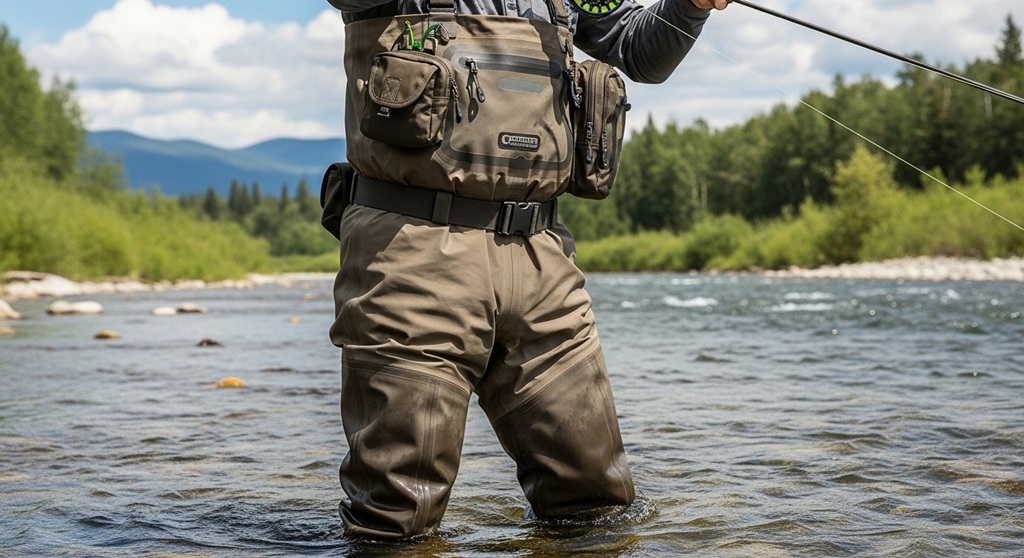
Durable fishing waders are waterproof garments designed to keep anglers dry while standing or walking in water for extended periods. High-quality models resist abrasion, prevent leaks, and maintain comfort during long fishing sessions.
The primary function of waders is simple: protection. But durability determines whether that protection lasts one season or several years.
Anglers face several conditions that quickly damage low-quality gear:
- Sharp rocks in rivers
- Thick vegetation along riverbanks
- Repeated kneeling or crouching
- Cold water exposure
- Long hiking distances to fishing spots
Cheap waders often fail because of weak seams or thin fabric layers. Once water starts leaking, the entire fishing trip becomes uncomfortable and potentially unsafe.
Quality fishing gear solves this problem through:
- Multi-layer waterproof fabrics
- Reinforced knees and seat panels
- Sealed seams
- Breathable membranes
Durability also reduces long-term costs. If a $300 pair of breathable waders lasts five years, the yearly cost becomes much lower than replacing cheap models annually.
Which Materials Make Fishing Waders Last Longer?
The most durable fishing waders are made from breathable laminated fabrics or neoprene. These materials resist tearing, provide waterproof protection, and handle repeated outdoor use.
The material used in construction directly impacts durability and comfort.
1. Breathable Laminated Fabric
Modern breathable waders often use multi-layer fabrics similar to those used in outdoor jackets.
Common constructions include:
- 3-layer waterproof membranes
- 4-layer reinforced panels
- High-density nylon outer fabric
These materials allow sweat to escape while blocking water. This makes them ideal for long fishing sessions or warm-weather fishing.
2. Neoprene Waders
Neoprene waders are thicker and provide excellent insulation. They are commonly used in cold-water environments.
Advantages include:
- Excellent durability
- Strong puncture resistance
- Better insulation
The downside is reduced breathability, which can cause overheating during long hikes.
3. PVC and Rubber Waders
These are the least expensive options but typically offer shorter lifespans.
While they provide waterproof protection, the material becomes stiff over time and may crack after repeated use.
| Material | Durability | Best Use |
|---|---|---|
| Breathable fabric | High | All-season fishing |
| Neoprene | Very high | Cold water fishing |
| PVC/Rubber | Low to medium | Occasional use |
How Do Seam Construction and Stitching Affect Wader Durability?
Seam construction is one of the biggest factors that determines how long waders last. Poorly sealed seams often become the first point of failure.
Water pressure constantly stresses seams while fishing. Without proper sealing, leaks develop quickly.
Key Seam Types
- Taped seams: Waterproof tape seals the interior stitching.
- Welded seams: Fabric is bonded without stitching, increasing durability.
- Double-stitched seams: Adds reinforcement but still requires sealing.
High-end waders usually combine stitching and seam taping to prevent water penetration.
Outdoor equipment testing from several fishing gear manufacturers shows that taped seams reduce leakage risk by over 80% compared to standard stitched seams.
Should You Choose Bootfoot or Stockingfoot Waders?
Bootfoot waders are more convenient, while stockingfoot waders often last longer and provide better fit.
The difference lies in the integrated footwear.
Bootfoot Waders
- Boots permanently attached
- Easy to put on quickly
- Ideal for beginners
However, once the boot wears out, the entire wader must be replaced.
Stockingfoot Waders
- Separate wading boots
- Better ankle support
- Longer lifespan
Most experienced anglers prefer stockingfoot systems because damaged boots can be replaced without replacing the waders.
What Features Indicate High-Quality Fishing Waders?
The best long-lasting waders include reinforced panels, gravel guards, waterproof zippers, and adjustable suspenders.
These features improve durability and comfort.
Reinforced Knees and Seat
These areas experience the most friction. Reinforcement panels extend the lifespan significantly.
Gravel Guards
Gravel guards prevent sand and debris from entering boots. This reduces wear on the neoprene socks.
Waterproof Zippers
Higher-end models include waterproof chest zippers for ventilation.
Adjustable Suspenders
Proper fit reduces strain on seams and fabric.
How Does Proper Fit Impact the Lifespan of Waders?
A correct fit prevents excessive stretching and stress on seams, which helps waders last longer.
Waders that are too tight place tension on stitching and fabric layers. Over time, this leads to seam failure.
On the other hand, oversized waders create extra fabric folds that increase abrasion.
To ensure the correct fit:
- Check chest, waist, and inseam measurements
- Allow space for layering
- Ensure full leg mobility
A properly fitted pair of waders improves comfort during long fishing sessions and reduces long-term wear.
How Do Professional Anglers Maintain Waders for Long-Term Use?
Routine cleaning, drying, and storage are essential for extending the lifespan of fishing waders.
Maintenance practices significantly influence durability.
Cleaning
Rinse waders with fresh water after each trip to remove mud and sand.
Drying
Hang waders inside-out first, then outside-out. This prevents moisture buildup.
Storage
Avoid folding waders tightly. Instead, hang them in a cool and dry place.
Professional fishing guides often follow these maintenance routines because their gear is used almost daily.
Proper care can extend the lifespan of breathable waders by several seasons.
What Real-World Data Shows About Durable Waders?
Field testing and retailer warranty claims reveal a clear difference between premium and budget waders.
A case analysis conducted by an outdoor equipment retailer compared warranty claims across several wader models.
| Wader Category | Average Lifespan | Warranty Claims |
|---|---|---|
| Premium breathable waders | 4–5 years | Low |
| Mid-range breathable waders | 2–3 years | Moderate |
| Budget PVC waders | 6–12 months | High |
The results show that investing in quality fishing gear often reduces replacement frequency.
What Mistakes Reduce the Lifespan of Fishing Waders?
The most common mistakes include poor storage, walking long distances in waders, and ignoring small leaks.
These habits cause unnecessary damage.
- Dragging waders across rocks
- Leaving them wet in a bag
- Ignoring seam damage
- Using harsh detergents
Repairing small punctures early can prevent larger failures later.
Conclusion: How Can You Choose Fishing Waders That Truly Last?
Choosing long-lasting waders requires more than comparing price tags. Durable fishing waders are built with high-quality fabrics, reinforced seams, and reliable waterproof membranes.
Anglers who invest in quality fishing gear benefit from improved comfort, safety, and long-term value. Breathable multi-layer fabrics, reinforced knees, and properly sealed seams are the features that consistently appear in long-lasting designs.
Just as important is how the gear is maintained. Regular cleaning, proper drying, and careful storage can add years to the lifespan of your waders.
If you want equipment that performs season after season, focus on construction quality instead of the lowest price. Durable waders are not just another accessory—they are an essential tool for serious anglers.
Ready to upgrade your fishing setup? Evaluate your current gear, compare materials and construction features, and invest in waders built for long-term performance.
Frequently Asked Questions
How long should quality fishing waders last?
High-quality breathable waders typically last between three and five years with regular use and proper maintenance. Budget models may only last one season.
Are breathable waders more durable than neoprene?
Breathable waders are generally more versatile and comfortable for extended use, while neoprene waders provide greater insulation and puncture resistance in cold environments.
What causes fishing waders to leak?
The most common causes include seam failure, fabric punctures from rocks or branches, and long-term wear from repeated use.
Can fishing waders be repaired?
Yes. Small punctures and seam leaks can often be repaired using waterproof patch kits or seam sealants designed for outdoor gear.
Are expensive waders worth it?
Premium waders usually offer stronger fabrics, better seam construction, and improved comfort. Over several years, they may cost less than replacing cheaper models repeatedly.
Should beginners buy bootfoot or stockingfoot waders?
Bootfoot waders are easier for beginners because they include built-in boots. Stockingfoot waders provide better fit and long-term flexibility.
How should fishing waders be stored?
Waders should be fully dry before storage and hung in a cool, ventilated area. Avoid folding them tightly or leaving them in damp environments.
Read More Also: How to Pick the Best Luggage for International Travel in 2026
Up Next: How to Choose the Best Aquarium Floating Plants for Your Tank



Leave a Reply