
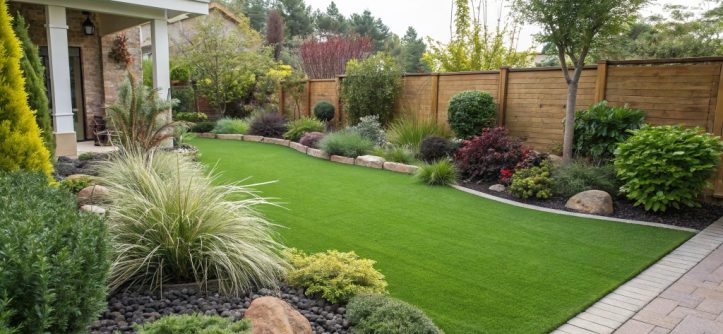
Key Takeaways:
- Artificial grass significantly reduces water usage, aiding in conservation efforts.
- It eliminates the need for harmful pesticides and fertilizers, promoting a healthier environment.
- Modern synthetic turf offers realistic aesthetics and durability, making it suitable for a wide range of applications.
- Advancements in technology have enhanced the eco-friendliness and functionality of artificial grass.
Introduction
The pursuit of environmentally friendly landscapes and practical outdoor spaces has inspired a surge in innovative solutions. As the climate shifts and water resources become increasingly scarce, property owners are considering alternatives that balance beauty with sustainability. One such solution, artificial grass products, delivers the lush appearance of natural turf while minimizing maintenance and resource consumption.
Artificial grass solutions have advanced rapidly, gaining acceptance among homeowners, businesses, and communities dedicated to sustainable landscaping. Durable and realistic, synthetic turf addresses the need for a cost-effective ground cover, especially in drought-prone regions where maintaining natural grass is both costly and unsustainable. Integrating these products into landscapes helps reduce irrigation requirements and fosters a healthier outside environment free of harsh chemicals.
These positive impacts, combined with ongoing improvements in eco-conscious materials and manufacturing processes, make artificial turf a standout choice for those seeking a balance between aesthetics and environmental accountability. As technology and environmental awareness advance, artificial lawns now offer functionality, reliability, and a natural appearance suitable for virtually any use.
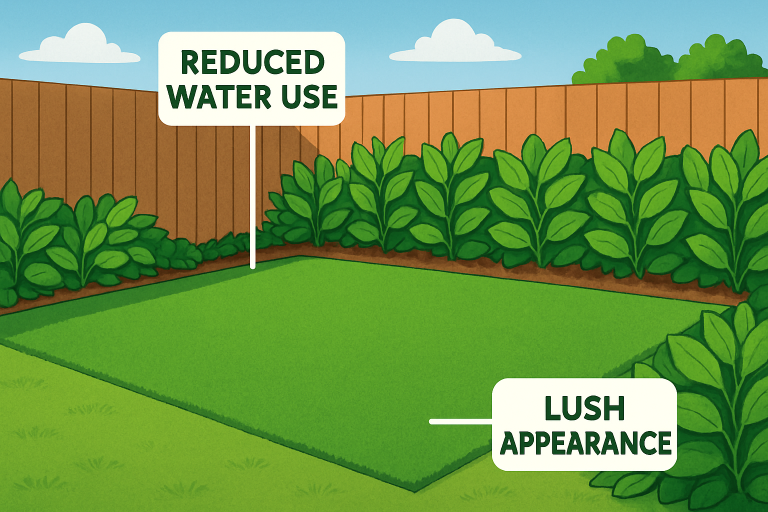
Water Conservation Benefits
One of the most compelling reasons for installing artificial grass is the potential for water savings. According to the U.S. Environmental Protection Agency, outdoor water use in the United States accounts for nearly 9 billion gallons per day, with a significant portion directed toward irrigating lawns and landscapes. Traditional lawns require frequent watering, particularly in arid climates where rainfall is scarce, ultimately placing a significant burden on water resources. By removing natural grass and installing artificial grass, households can significantly reduce water use, providing both financial and environmental benefits.
This shift is especially critical in areas where drought conditions are prevalent, and water use restrictions are in place. Artificial grass is increasingly promoted as a water-smart solution for sustainable landscaping by both municipal governments and environmental organizations. The longevity of modern synthetic lawns ensures water savings continue for years after installation—making a real and lasting difference in community conservation efforts.
Chemical-Free Maintenance
The maintenance requirements of natural grass often involve significant chemical use, including fertilizers, pesticides, and herbicides. These substances may improve lawn aesthetics, but can pollute local waterways and harm soil health by leaching toxic elements into the environment. With artificial grass, property owners eliminate the need for chemical interventions, making the landscape safer for people, pets, and wildlife.
For those sensitive to environmental impact, this aspect is particularly appealing. Not only are harmful emissions and runoff reduced, but the absence of fertilizer also mitigates the risk of contributing to problems such as algal blooms in streams and lakes. Moreover, eliminating chemical upkeep means fewer visits from lawn service equipment, thus lowering carbon emissions from gas-powered tools—a win for both personal health and planetary well-being.
Enhanced Durability and Realism
Historically, one of the primary drawbacks of artificial grass was its artificial appearance and texture. However, persistent innovation has radically improved the realism, durability, and comfort of today’s synthetic turf options. Advanced fiber technology replicates the color variation, softness, and resilience of real grass, enabling installations in high-traffic areas, playgrounds, sports fields, and homes without the unsightly wear or patchiness typically seen in natural lawns.
The latest products resist UV damage—so they retain vibrant color even after years of sun exposure—and feature robust underlayers designed to withstand repeated use. Whether facing heavy foot traffic at community parks or providing plush year-round greenery for residential settings, these modern surfaces deliver enduring visual appeal and value.
Technological Advancements in Artificial Turf
The artificial turf industry is characterized by continuous refinement and innovation. Recent developments include cooling infill materials to reduce surface heat on sunny days, anti-microbial technology for safer play zones, and state-of-the-art drainage systems that prevent water pooling after storms. These advancements not only increase comfort and safety but also contribute to the longevity and ecological benefit of synthetic lawn installations.
Modern UV-resistant coatings prevent fading while permeable backings ensure quick drainage, minimizing maintenance time and preventing mold growth. These factors combine to create an artificial lawn that feels, performs, and looks exceptional in all weather conditions, reinforcing its value as a sustainable landscaping investment.
Environmental Impact Considerations
While the sustainability advantages of artificial grass are evident in terms of water and chemical reductions, it’s important to consider the full lifecycle of the material, from production to disposal. The synthetic nature of turf means that its production consumes resources and energy. However, many manufacturers are embracing recycled and recyclable materials, and several programs now exist to reclaim old turf for repurposing. According to National Geographic, advances in recycling technology and circular manufacturing practices are helping mitigate the impact traditionally associated with synthetic products.
Moreover, the lifespan of a high-quality artificial lawn often spans a decade or more, significantly reducing the frequency of replacement and the associated environmental impact. When combined with the significant savings in water, fuel, and pollutants from maintenance activities, the total ecological footprint of artificial turf is increasingly competitive with, or even superior to, traditional lawns.
Final Thoughts
Artificial grass solutions have proven themselves to be practical and sustainable options for a wide range of landscapes. Offering remarkable reductions in water usage and chemical maintenance, today’s synthetic turf is built for resilience and natural appearance. With the ongoing evolution of turf technology and eco-conscious design, artificial lawns can seamlessly merge beauty with environmental stewardship. For those seeking a low-maintenance, green alternative that supports conservation while elevating curb appeal, artificial grass represents a smart and sustainable choice.



Leave a Reply