
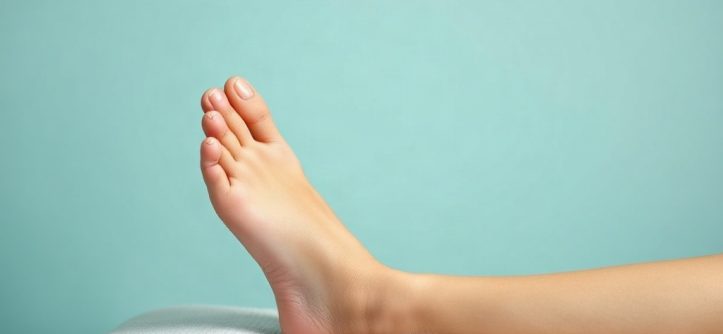
Your feet carry you through every standing meeting, grocery run, and flight of stairs, yet they are usually the last part of your body to receive any attention. If you want to give yourself a relaxing foot massage after a long day, you do not need an appointment, special equipment, or an hour of free time. Good home spa and wellness guides often start with this exact ritual, because the feet respond quickly to skilled touch. This article walks through the technique, the timing, and the mistakes that keep a massage from working.
Quick answer: Wash and warm your feet, apply a small amount of lotion or oil, and work from the toes toward the heel with slow, firm strokes for five to ten minutes. Spend extra time pressing into the arch and the ball of the foot, and keep the pressure at a level that feels good rather than sharp. Finish by stretching each foot gently and resting for a few minutes.
What is give yourself a relaxing foot massage?
A foot massage you perform on yourself is a structured sequence of strokes, presses, and stretches applied to your own feet with your hands, thumbs, or a simple tool. It mirrors the basic movements of a professional massage: gliding strokes, kneading, circular pressure, and joint movement. The difference is that you control the pressure and pace, which makes it safer for sensitive feet and easier to fit into an evening at home.
The practice sits comfortably inside a broader home spa routine. You are not trying to replicate a clinical treatment. You are creating ten quiet minutes that reduce tension in the feet and lower legs and signal to your body that the day is over.
The four movements that make up a basic massage
Most self-massage routines combine a small set of motions. Learn these four and you can build a session without following a script:
- Gliding strokes: a flat palm slides from the toes to the ankle with light to medium pressure. These warm the skin and help you assess tender spots.
- Kneading: the thumbs or knuckles press into the sole in small circles, moving slowly across the arch and heel.
- Point pressure: a thumb holds steady pressure on a specific spot for several seconds, then releases.
- Stretching: you gently bend and extend the toes and rotate the ankle to restore range of motion.
Sequence matters more than speed. Start with gliding to warm the tissue, move into kneading and point pressure, and finish with stretching.
Where the pressure points sit
The soles contain dense clusters of nerve endings and connective tissue. Many traditional systems map the foot into zones that correspond to other parts of the body, and practitioners of reflexology work from those maps. You do not need to accept every claim behind those maps to benefit from pressing into the arch, the ball of the foot, and the heel. foot massage pressure points offers a reference if you want to target specific areas more precisely. For general relaxation, broad coverage of the whole sole works well.
The feet contain a high concentration of nerve endings relative to their surface area. Slow, predictable pressure on those nerve endings is one reason a short foot massage can feel disproportionately calming compared with the time invested.
Why give yourself a relaxing foot massage matters
The strongest argument for this habit is practical: your feet accumulate load all day and have almost no way to release it on their own. Standing compresses the plantar tissue, shoes restrict movement, and hours in the same position leave the muscles of the sole and calf tight. A short massage addresses that accumulation directly.
The second argument is accessibility. A professional massage costs money and requires scheduling. Self-massage is free, takes ten minutes, and can happen at 10 p.m. in your living room. That low barrier matters, because the benefits depend on repetition more than intensity.
There is also a sleep angle. Many people find that a slow, quiet physical routine helps them settle before bed. A foot massage fits naturally into that wind-down window, and it does not involve screens.
Consider what a typical day does to your feet. A nurse who stands for twelve hours, a commuter who spends ninety minutes in tight shoes, and a runner who logged eight miles all end up with the same problem: tissue that is tight, warm, and asking for attention. The massage does not need to be long to help. Consistency beats intensity here, which is why a brief routine you actually repeat is more useful than an elaborate one you do once.
Ten minutes of deliberate, repeated foot care addresses daily wear in a way that costs nothing and fits into almost any evening.
Best practices
The quality of a self-massage depends more on preparation and pacing than on technique. Five habits separate a session that genuinely relaxes you from one that feels like a chore.
Prepare the foot first. Warm water softens the skin and relaxes the tissue. A two-minute soak or a warm shower before you start makes every stroke more comfortable. Dry thoroughly, especially between the toes.
Use lubrication sparingly. A dime-sized amount of lotion or oil reduces friction and lets your hands glide. Too much and your thumbs slide instead of pressing. Add more only if the skin drags.
Work slowly and breathe. Rush is the enemy of relaxation. Aim for one slow stroke every two to three seconds. If you notice yourself holding your breath, slow down; steady breathing is part of the technique, not an afterthought.
Sit in a supported position. Sit on a chair or the edge of a bed and cross one ankle over the opposite knee. This brings the sole toward your hands and keeps your back straight. Reaching down to your feet while hunched over strains the neck and lower back.
Cover the whole foot, then return to tender spots. Work the toes, ball, arch, heel, and ankle, then spend extra time wherever you felt tightness. Finish with three slow ankle rotations in each direction and a gentle stretch of the toes.
How long and how often
Five to ten minutes per foot is enough for a relaxation session. If you have very tired feet, fifteen minutes is fine, but stop if your hands fatigue. Daily practice suits most people; three or four sessions a week still delivers noticeable benefit.
A simple sequence to follow
- Soak or shower for two minutes, then dry the feet.
- Apply a small amount of lotion and glide from toes to ankle ten times.
- Knead the arch with your thumbs in slow circles for one minute.
- Press and hold the ball of the foot and the center of the heel for five seconds each.
- Roll each toe gently between thumb and forefinger.
- Stretch the toes back, then rotate the ankle three times each way.
- Repeat on the other foot.
Common mistakes to avoid
Most disappointing self-massages fail for predictable reasons. Catching these early makes the routine more effective and safer.
Pressing too hard. Deep pressure feels productive, but sharp pain causes muscles to guard and tighten. The target sensation is firm, satisfying pressure that eases as you hold it. If you wince, back off.
Skipping the warm-up. Cold tissue is less pliable. Going straight to deep kneading on a cold foot is uncomfortable and less effective. Two minutes of warmth costs little and changes the whole session.
Massaging over an injury. A bruise, a swollen ankle, a cut, or a suspected sprain needs rest, not pressure. If a specific spot is sharp or newly painful, avoid it and let it settle.
Ignoring the lower legs. The calf muscles connect to the foot through the Achilles tendon. A few upward strokes along the calf relieve tension that pulls on the heel. Spend a minute there.
Treating it as a race. A two-minute rushed rub mostly moves skin. Slow, deliberate strokes are what produce relaxation, so protect the time rather than squeezing the massage into a gap.
If you have diabetes, poor circulation, or nerve damage in the feet, or if you notice persistent numbness, swelling, or sores, speak with a healthcare professional before starting regular foot massage.
FAQ
How much time do I need for a foot massage to be worth it?
Five minutes per foot is enough to feel a difference. The key is slow, deliberate strokes rather than duration. A focused five-minute session beats a distracted fifteen-minute one.
Can I do this if I have ticklish feet?
Yes. Firm, steady pressure tends to reduce the tickle response because it overrides the light-touch sensation that triggers it. Start with flat-palm strokes and avoid feathery movements.
Is it better to massage before or after a shower?
Either works, but after a warm shower is slightly better because the tissue is already warm and the skin is clean. If you prefer a soak, do the massage right after drying.
What should I do if my hands get tired?
Use your knuckles, the heel of your palm, or a smooth wooden roller to reduce hand strain. Switching tools mid-session is fine and keeps the pressure consistent.
Conclusion
A relaxing foot massage after a long day comes down to a handful of habits: warm the feet, use a little lotion, work slowly from toes to heel, and finish with a stretch. The mistakes that undermine the routine are equally simple to avoid, chiefly pressing too hard and rushing the session. Pick one evening this week, set a ten-minute timer, and run through the seven-step sequence on both feet. If it feels good, repeat it tomorrow; the routine earns its value through repetition, not perfection on the first try.




Leave a Reply