
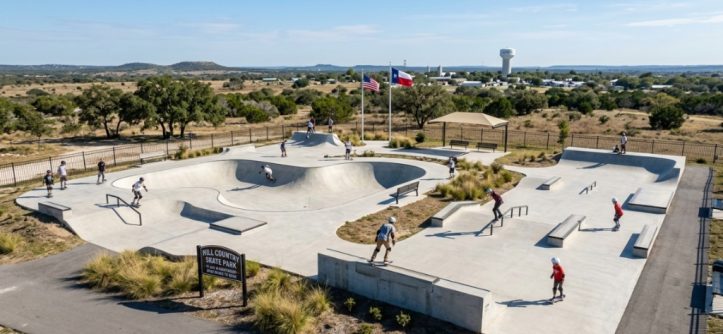
You finally have time to skate, but the ramp you are eyeing looks like it was built on a dare. In Texas, extreme weather, lax backyard builds, and poorly maintained public parks create real hazards. When you learn to avoid unsafe skate ramps Texas has scattered across its cities, you separate a solid session from a trip to the ER. This guide walks you through the specific dangers, inspection checklists, and legal protections that keep you rolling safely on Lone Star concrete.
What Makes a Skate Ramp Unsafe in Texas?
An unsafe skate ramp in Texas fails to handle heat expansion, lacks structural bracing, or uses materials that degrade quickly under the sun. High temperatures warp plywood, while humidity rots substandard lumber. Without proper drainage, water pools underneath, causing wood to bow or metal to rust.
Material Degradation from Texas Heat
Plywood left in direct sun for consecutive days loses its glue bond. Surfaces blister, creating dangerous cracks. Metal coping expands in 100-degree weather, shifting away from the riding surface. Always check for raised edges or splintered wood before dropping in.
Poor Frame Support and Bracing
A ramp without cross-bracing wobbles under weight. Look under the ramp. If you see only a few 2x4s holding the structure, it is a hazard. Proper ramps use 4×4 or 6×6 supports with diagonal bracing to prevent lateral movement during heavy use.
Missing Transition Curves
Unsafe ramps often have abrupt transitions where the flat bottom meets the incline. This creates a “bump” that throws riders forward. Safe ramps use smooth radius transitions, typically 6 to 8 feet for quarter pipes and mini ramps.
Why Are So Many Ramps in Texas Unsafe?
Texas has a booming DIY skate culture, but many builders lack engineering knowledge. Combined with extreme climate swings, this leads to ramps that fail quickly. Additionally, some public parks use low-bid contractors who sacrifice quality for cost.
The DIY Boom Without Safety Standards
Backyard ramps are everywhere in Texas. Builders follow YouTube tutorials that skip critical safety steps. They use untreated lumber, skip waterproofing, and forget to anchor the ramp to the ground. These ramps shift after a few months of use.
Public Park Inspection Gaps
Municipalities vary widely in inspection frequency. Some parks check ramps once a year. Others wait until someone gets hurt. A ramp that passes inspection in January can be dangerous by July due to heat damage and wear.
How to Inspect a Skate Ramp for Safety Issues
Start at the top and work your way down. Check the riding surface for cracks, bubbles, or warping. Run your hand along the coping—it should be smooth and securely fastened. Then inspect the structure underneath for rot, rust, or loose bolts.
Surface Inspection Checklist
-
- Skateply quality: Look for 7-ply or 9-ply birch. Cheap pine plywood delaminates quickly.
- Seam gaps: Any gap wider than a credit card means the wood shifted. This is a tripping hazard.
- Coping condition: Steel coping should be round or angled, never sharp. Check for rust pits that catch wheels.
Structural Inspection Checklist
- Anchoring: Is the ramp bolted into concrete or ground stakes? Unanchored ramps tip.
- Joist spacing: Joists should be 12 to 16 inches apart. Wider spacing causes flex.
- Fasteners: Use outdoor-rated screws, not nails. Nails pop out after vibration.
Which Ramp Materials Are Safest for Texas Climate?
Marine-grade plywood and galvanized steel are the safest choices for Texas weather. Marine plywood resists moisture and heat. Steel coping lasts longer than aluminum. Pressure-treated lumber resists rot but must be sealed to prevent warping.
Wood vs. Metal: A Practical Comparison
| Material | Heat Resistance | Moisture Resistance | Longevity in Texas |
|---|---|---|---|
| Marine-grade plywood | Excellent | Excellent | 5–8 years |
| Standard CDX plywood | Poor | Fair | 1–3 years |
| Galvanized steel | Excellent | Excellent | 10+ years |
| Aluminum coping | Good | Good | 5–7 years |
Why Pressure-Treated Lumber Needs Extra Care
Pressure-treated wood holds up against moisture but checks (cracks) as it dries in Texas heat. Seal all ends with a wood preservative. Use stainless steel screws because regular steel corrodes when contacting treated lumber.
How Often Should You Check an Outdoor Ramp for Damage?
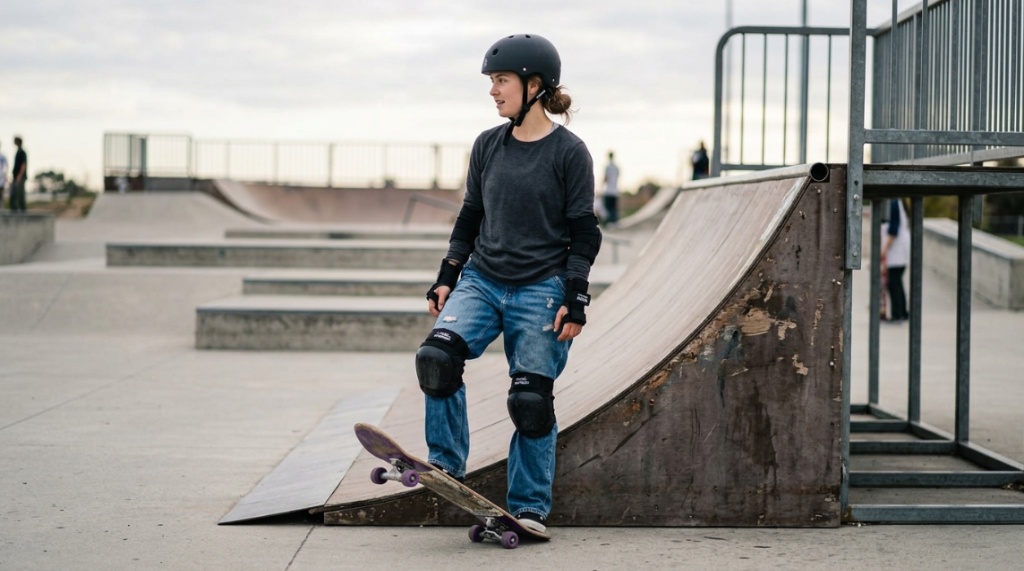
Inspect your ramp every month during summer and after every heavy rain or freeze. Texas weather swings cause wood to expand and contract rapidly, loosening fasteners and creating surface cracks.
Pre-Session Quick Check
Before riding, walk the entire surface. Look for loose screws, popped nail heads, and any debris. Check the transition area where stress is highest. If you feel any movement under your feet, do not ride until repairs are made.
Seasonal Deep Inspection
Every three months, get underneath the ramp. Look for termite damage, dry rot, and rust on metal brackets. Use a screwdriver to poke suspicious spots. If the wood feels soft, replace that section immediately.
Can You Repair an Unsafe Ramp Yourself?
Yes, but only if the damage is surface-level. Replacing coping, patching delaminated plywood, and tightening loose bolts are DIY-friendly. If the frame is rotted or the ramp has shifted, hire a professional builder or demolish the ramp.
Simple Fixes You Can Do
- Replace coping: Use a grinder to cut old coping, then bolt new steel tubing with carriage bolts.
- Patch surface holes: Fill with epoxy wood filler, sand smooth, and seal with outdoor varnish.
- Add bracing: Install diagonal 2x4s between joists to eliminate wobble.
When to Call a Professional
If the ramp frame sags more than one inch, the foundation has cracked, or more than 20% of the surface is damaged, a rebuild is safer than a repair. Professional ramp builders charge $50–$100 per square foot for quality work.
Is It Legal to Build a Skate Ramp in Your Texas Backyard?
Most Texas cities allow backyard ramps, but height limits and zoning rules vary. Houston and Austin restrict structures over six feet tall without a permit. San Antonio requires ramps to be set back from property lines. Always check your city’s code enforcement department.
Liability and Insurance Considerations
Your homeowner’s insurance may not cover injuries on a skate ramp. Call your agent before building. Some policies exclude “attractive nuisances” like ramps. Adding a fence and posting “Skate at your own risk” signs helps limit liability.
HOA Restrictions You Cannot Ignore
If you live in an HOA-governed neighborhood, review your covenants. Many HOAs ban permanent ramps entirely. Others allow temporary ramps that must be stored out of sight when not in use. Fines for violating HOA rules can reach $500 per day.
How to Find Certified Safe Public Ramps in Texas
Look for parks that use professional builders like Grindline, Team Pain, or American Ramp Company. These companies follow ASTM skatepark standards. Check the park’s ASTM F2373 certification, which covers structural integrity and safety surfacing.
Safe Park Features to Look For
- Shock-absorbing surface: Rubber tiles or poured-in-place rubber under ramps. Asphalt is too hard for high falls.
- Rounded edges: All concrete edges should be bull-nosed, not sharp.
- Clear signage: Posted rules for helmet use, age limits, and operating hours.
Ask Local Skaters for Real Feedback
Join Texas skate groups on Facebook or Reddit. Skaters will tell you which parks have cracked concrete or loose coping. Word-of-mouth is faster than any city inspection report. Make avoiding unsafe ramps a community effort.
What Are the Legal Consequences of Building an Unsafe Ramp?
If someone gets hurt on your ramp, you can be sued for negligence. Texas premises liability law holds property owners responsible for unreasonably dangerous conditions. Even if you charge no fees, you owe visitors a duty of care.
Negligence Claims and Homeowner Liability
Plaintiffs must prove you knew about the hazard and failed to fix it. Document your inspections with photos and dates. Keep repair receipts. This paper trail shows you exercised reasonable care, which can reduce your liability.
Criminal Charges in Extreme Cases
If you build a ramp that collapses and causes serious injury, prosecutors may charge you with reckless conduct. This is rare but possible for commercial ramp builders. Stick to building codes and always avoid unsafe skate ramps Texas homeowners have reported as dangerous.
When Should You Walk Away from a Ramp?
Walk away when the frame is visibly cracked, the surface has deep water damage, or the ramp is not anchored. Trust your instinct. If a ramp looks sketchy, it likely is. No session is worth a broken wrist or worse.
Red Flags You Should Never Ignore
- The ramp wobbles when someone drops in.
- Loose nails or screws are scattered around the base.
- The paint is peeling in large sheets, revealing rotten wood underneath.
- Friends tell you the ramp injured someone last week.
How to Politely Refuse an Unsafe Ramp
Say, “This ramp needs some work before I feel comfortable riding it.” Offer to help them fix it or suggest safer local parks. Most builders appreciate honest feedback, especially when safety is the reason.
Conclusion
Skating in Texas should be a thrill, not a gamble. By inspecting surfaces, checking framing, and understanding material limits, you drastically reduce injury risk. Public parks with professional certification are your safest bet. For backyard ramps, prioritize marine-grade plywood, steel coping, and monthly maintenance. Remember, the best skaters know when to walk away from a bad ramp. Stay alert, ride safe, and keep pushing.
Frequently Asked Questions
How can I tell if a skate ramp is safe to ride?
Inspect the riding surface for cracks, warping, or loose coping. Check underneath for rotted wood, rust, or missing bracing. If the ramp wobbles or has sharp edges, do not ride it.
What is the best wood for a skate ramp in Texas?
Marine-grade plywood is the best choice. It resists moisture and heat better than standard CDX plywood. Use 3/4-inch thickness for the riding surface and 1/2-inch for the deck.
Do I need a permit to build a skate ramp in my backyard?
Permit requirements vary by city. Most Texas cities require permits for structures over six feet tall. Contact your local building department before starting construction.
How often should I replace the surface of an outdoor ramp?
Plan on replacing the riding surface every 2–4 years in Texas climates. High-use ramps may need resurfacing every 1–2 years. Check for delamination after every heavy rain.
Can I use treated lumber for a skate ramp frame?
Yes, pressure-treated lumber works well for frames. Use stainless steel screws to avoid corrosion. Seal all cut ends with a wood preservative to prevent checking.
What should I do if a public ramp is unsafe?
Report it to your city’s parks department immediately. Take photos and note the date. Follow up if no repairs happen within 30 days. avoid unsafe skate ramps Texas communities often share safety alerts through local skate groups.
Is it safe to skate a ramp after rain?
No. Wet wood becomes slippery, and the surface can delaminate under weight. Allow at least 24 hours of direct sun after a heavy rain before skating.




Leave a Reply