
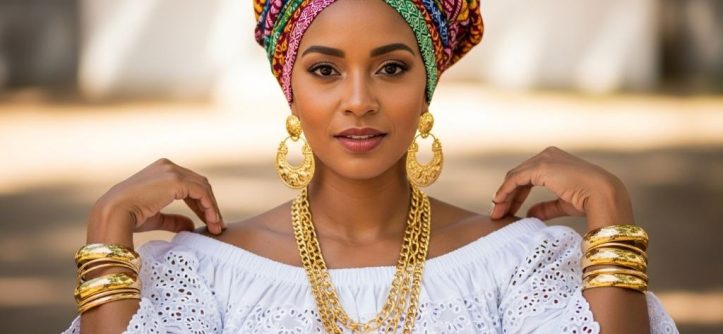
Brazilian fashion tells a vibrant story. It blends indigenous traditions, Portuguese colonial influence, and African heritage into something truly unique. Today, modern stylists are rediscovering these historical elements. They are bringing them into contemporary wardrobes with fresh creativity.
This article explores how you can incorporate Brazilian historical fashion into your modern style. Additionally, you will learn practical ways to honor these traditions while staying current.
Understanding Brazilian Historical Fashion Roots
Brazil’s fashion history is rich and diverse. The country’s clothing evolution reflects centuries of cultural mixing. Indigenous peoples wore natural fibers and feathers long before colonization. Portuguese settlers brought European tailoring techniques in the 1500s. Meanwhile, enslaved Africans contributed colorful textiles and head wraps.
These three influences created a distinctive aesthetic. Each region developed its own style based on climate and resources. Therefore, understanding these roots helps you appreciate modern interpretations.
The Bahian traditional dress, for example, features white lace blouses and flowing skirts. This style originated from African traditions mixed with Catholic influences. Similarly, the northeastern region developed embroidered cotton garments perfect for hot weather.
Key Elements of Brazilian Historical Fashion
Several signature elements define Brazilian historical fashion. Recognizing these makes incorporation easier.
First, natural fabrics dominate traditional Brazilian clothing. Cotton, linen, and leather were readily available. These materials kept people cool in tropical climates. Consequently, they remain popular in modern Brazilian fashion.
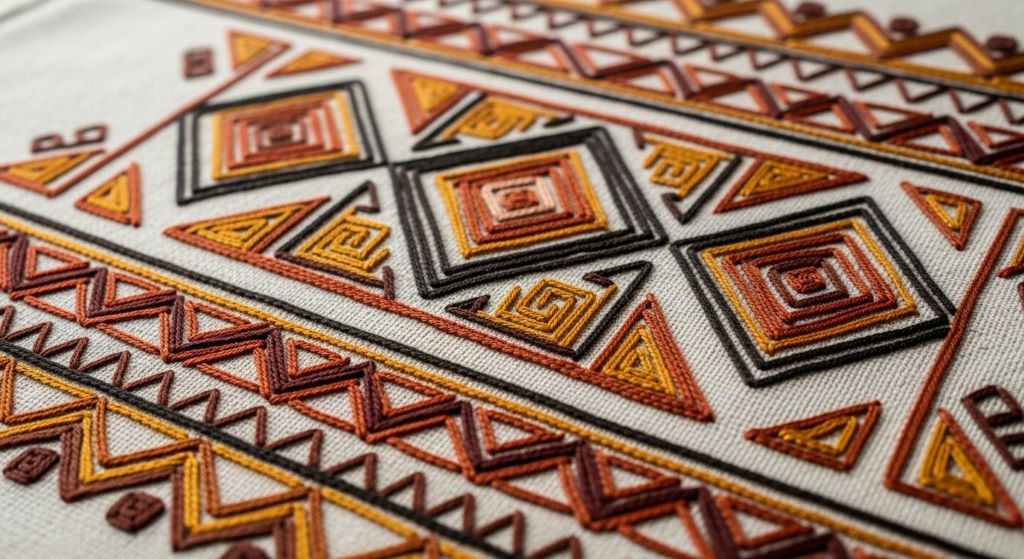
Second, embroidery plays a crucial role. Intricate needlework adorned both everyday and ceremonial garments. The patterns often told stories or represented nature. Today, this craftsmanship commands respect worldwide.
Third, vibrant colors characterize Brazilian style. Unlike muted European palettes, Brazilian fashion celebrates bold hues. Yellows, greens, blues, and reds reflect the landscape. These colors also express joy and celebration.
Fourth, layering techniques offer versatility. Historical Brazilian outfits often combined multiple pieces. This allowed adaptation to changing temperatures and occasions. Modern styling benefits from this same principle.
Incorporating Traditional Patterns and Prints
Brazilian historical patterns offer endless inspiration. Indigenous geometric designs create striking visual interest. These patterns originally held spiritual significance. However, they now appear in contemporary fashion as artistic statements.
You can start small with accessories. A scarf featuring traditional Marajoara patterns adds instant character. These circular and angular designs come from ancient Amazonian pottery. They work beautifully with minimalist modern outfits.
Additionally, consider clothing with indigenous-inspired prints. Many Brazilian designers now create pieces honoring these traditions. Look for items that credit the source communities. This ensures ethical appreciation rather than appropriation.
Tropical prints also connect to Brazilian history. Banana leaves, toucans, and exotic flowers adorned historical textiles. These motifs continue to define Brazilian aesthetic identity. Incorporate them through statement pieces like midi skirts or button-down shirts.
Modernizing the Baiana Style
The Baiana outfit represents Afro-Brazilian heritage beautifully. Traditional elements include white lace tops, full skirts, and colorful head wraps. This style originated in Bahia among women of African descent.
Modern interpretations make this style wearable for everyday life. You can adopt individual elements without wearing full traditional dress. For instance, try a contemporary white lace blouse with jeans. This honors the aesthetic while staying practical.
Head wraps offer another accessible option. Many people now wear turbans as fashion statements. Choose vibrant fabrics that celebrate Afro-Brazilian traditions. Pair them with simple modern outfits for balanced looks.
Furthermore, full skirts inspired by Baiana style work wonderfully today. Look for circle or gathered skirts in cotton or linen. These create feminine silhouettes while providing comfort. Match them with fitted tops for contemporary proportions.
Working with Colonial-Era Tailoring
Portuguese colonization brought European tailoring to Brazil. This influence shows in structured jackets, fitted waistcoats, and formal trousers. These pieces balanced European formality with tropical practicality.
Modern styling can reference this heritage tastefully. A well-tailored linen blazer evokes colonial sophistication. However, it works perfectly with casual contemporary pieces. Try pairing it with cropped pants and sandals.
High-waisted trousers also connect to this era. They offer classic elegance that never goes out of style. Choose natural fabrics that breathe in warm weather. Additionally, look for details like button closures or pleating that reference historical designs.
Waistcoats provide another interesting option. Originally worn by wealthy landowners, they now make bold fashion statements. Wear them over simple shirts or even directly on skin for modern edge.
Embracing Natural Fibers and Textures
Brazilian historical fashion prioritized natural materials for good reason. The climate demands breathable fabrics. Therefore, cotton, linen, leather, and natural dyes dominated traditional clothing.
Modern sustainable fashion aligns perfectly with these historical choices. Seek out organic cotton pieces in earth tones. These reference historical palettes while supporting environmental consciousness.
Leather goods also connect to Brazilian heritage. Indigenous peoples expertly worked leather for centuries. Today, Brazilian leather craftsmanship remains world-renowned. Invest in quality leather sandals, bags, or belts. These pieces last years while honoring traditional skills.
Handwoven textiles offer another authentic touch. Many Brazilian communities still practice traditional weaving. Supporting these artisans preserves cultural knowledge. Look for handmade pieces at ethical retailers or when visiting Brazil.
According to Vogue’s exploration of Brazilian fashion, contemporary designers increasingly draw from indigenous and traditional techniques. This trend shows growing appreciation for historical craftsmanship.
Accessorizing with Historical Elements
Accessories provide the easiest entry point for historical Brazilian style. They let you experiment without major wardrobe changes. Moreover, they often make the strongest visual impact.
Jewelry played important roles in Brazilian history. Indigenous peoples crafted pieces from seeds, feathers, and stones. African traditions added gold work and symbolic charms. Portuguese influence brought intricate metalwork.
Today, you can find jewelry inspired by all these traditions. Seed bead necklaces create earthy, bohemian looks. Gold hoop earrings reference Afro-Brazilian heritage. Meanwhile, filigree work connects to Portuguese craftsmanship.
Bags and baskets also carry historical significance. Woven straw bags were practical necessities. Now they are fashionable accessories perfect for summer. Choose ones with traditional patterns or natural finishes.
Footwear offers another opportunity. Havaianas sandals originated in Brazil during the 1960s. However, their simple design connects to centuries of sandal-making tradition. Leather gladiator sandals reference indigenous and colonial styles simultaneously.
Creating Balanced Modern Outfits
Successfully incorporating historical elements requires balance. Too many traditional pieces can look like costume. Therefore, mix historical-inspired items with contemporary basics.
Start with a statement piece rooted in Brazilian tradition. This might be an embroidered blouse or wide-leg linen pants. Then build around it with modern neutrals. This approach lets historical elements shine without overwhelming your look.
Proportions matter significantly in modern styling. Historical Brazilian outfits often featured loose, flowing shapes. Balance these with fitted contemporary pieces. For example, pair a voluminous traditional skirt with a sleek bodysuit.
Additionally, consider your setting when styling. Full traditional outfits work beautifully for cultural events or celebrations. For everyday wear, subtle nods to history feel more appropriate. This shows respect while maintaining practicality.
Color coordination also helps achieve balance. If wearing a boldly patterned historical piece, keep everything else simple. Conversely, modern neutral outfits benefit from colorful traditional accessories.
Supporting Ethical Brazilian Fashion
When incorporating Brazilian historical fashion, ethics matter tremendously. Many traditional techniques belong to specific communities. Therefore, supporting authentic sources becomes crucial.
Research brands before purchasing. Look for companies that work directly with Brazilian artisans. Fair compensation and credit to source communities indicate ethical practices. Many Brazilian designers now prioritize these partnerships.
According to The Business of Fashion’s report on Latin American fashion, there is growing recognition of indigenous design contributions. This shift encourages more equitable industry practices.
Avoid mass-produced imitations of sacred or ceremonial items. Some patterns and garments hold deep spiritual meaning. Wearing them inappropriately shows disrespect. When uncertain, research the item’s cultural significance first.
Furthermore, consider buying directly from Brazilian artisans when possible. Online marketplaces now connect global shoppers with traditional craftspeople. This ensures your money supports communities preserving these traditions.
Seasonal Adaptations for Different Climates
Brazilian historical fashion developed for tropical weather. However, you can adapt these styles for various climates. Creativity makes this possible anywhere.
In warmer months, embrace lightweight traditional pieces fully. Linen pants, cotton blouses, and flowing skirts work perfectly. These keep you cool while looking stylish. Additionally, natural fabrics improve comfort during heat.
For cooler weather, layering becomes essential. Wear traditional-inspired pieces under modern outerwear. A embroidered blouse looks beautiful under a blazer. Similarly, try wide-leg linen pants with boots and sweaters.
Accessories work year-round regardless of climate. Jewelry, bags, and scarves with Brazilian motifs enhance any outfit. Therefore, they offer the most versatile way to maintain this aesthetic.
Fabric weight also matters for seasonal adaptation. Choose heavier cottons or wool blends for cold weather. These maintain traditional silhouettes while providing warmth. Conversely, gauzy fabrics work best in summer.
Celebrating Brazilian Fashion in Special Occasions
Special events provide perfect opportunities for bolder historical styling. Weddings, cultural celebrations, and parties all welcome more dramatic looks. Therefore, you can embrace traditional pieces more fully.
Consider a modern interpretation of Baiana style for festive occasions. A white lace maxi dress with colorful accessories creates stunning impact. Add a statement head wrap and gold jewelry for authentic flair.
For formal events, colonial-era tailoring offers sophisticated options. A beautifully cut linen suit in cream or tan looks elegant yet unique. Pair it with traditional leather accessories for cohesive styling.
Cultural festivals celebrating Brazilian heritage deserve authentic representation. These events welcome full traditional outfits. Wearing them shows respect and participation. However, always ensure you understand any cultural protocols first.
Additionally, beach celebrations align perfectly with historical Brazilian aesthetics. Flowing kaftans, wide-brimmed hats, and woven bags all reference traditional beach culture. These pieces look effortlessly chic while honoring history.
Conclusion
Brazilian historical fashion offers incredible richness for modern styling. Its diverse roots create endless possibilities. By understanding traditional elements, you can incorporate them respectfully and beautifully.
Start with small additions like accessories or single statement pieces. Research ethical sources that support Brazilian artisans and communities. Balance historical elements with contemporary basics for wearable everyday looks.
Whether through vibrant prints, natural fabrics, or traditional silhouettes, Brazilian fashion brings joy and character. Moreover, it connects you to centuries of cultural heritage. Therefore, exploring these styles enriches both your wardrobe and your appreciation for global fashion traditions.
Remember that fashion should celebrate culture, not appropriate it. Approach Brazilian historical fashion with respect and curiosity. This mindset ensures your styling honors the traditions that inspire it.
Frequently Asked Questions
What are the main influences on Brazilian historical fashion?
Brazilian historical fashion combines indigenous traditions, Portuguese colonial styles, and African heritage. Indigenous peoples contributed natural materials and geometric patterns. Portuguese colonizers brought European tailoring techniques. African traditions added vibrant colors, head wraps, and intricate textiles. These three influences blended over centuries to create Brazil’s unique fashion identity.
How can I wear traditional Brazilian fashion without cultural appropriation?
Focus on purchasing from ethical Brazilian brands and artisans who receive fair compensation. Avoid wearing sacred or ceremonial items inappropriately. Research the cultural significance before adopting traditional pieces. Additionally, incorporate historical elements as inspiration rather than costume. Support authentic sources and give credit to the communities preserving these traditions.
What fabrics are most authentic to Brazilian historical fashion?
Natural fabrics dominate Brazilian historical fashion due to the tropical climate. Cotton and linen were most common for everyday wear. Leather was widely used for accessories and footwear. These breathable materials kept people comfortable in heat. Today, choosing these same natural fibers honors tradition while supporting sustainable fashion practices.
Can I wear Brazilian-inspired fashion in cold climates?
Absolutely. Adapt Brazilian historical elements through layering and fabric choices. Wear traditional-inspired blouses under blazers or coats. Choose heavier cotton or wool versions of traditional silhouettes. Accessories like jewelry, scarves, and bags work year-round regardless of climate. The key is maintaining the aesthetic while adjusting for weather appropriateness.
Where can I find authentic Brazilian fashion pieces?
Look for Brazilian designers and brands that work directly with traditional artisans. Many now sell internationally through online platforms. When visiting Brazil, shop at local markets and artisan cooperatives. Research ethical fashion retailers that specialize in Latin American designs. Additionally, vintage shops sometimes carry authentic historical pieces from Brazil.
Related Topics:
10 Affordable Sustainable Fashion Brands to Watch
The Environmental Impact of Fast Fashion vs. Sustainable Fashion




Leave a Reply